
24/7 Customer Support

Free returns

Same-day & Next-day Delivery

Quality Guaranteed

Unlock Your Welcome Offers: FREE Delivery | Up to 80% OFF | Free 30-day JoyPlus trial
Download the APP
Navigating the world of chocolate and sweets can feel like a minefield. You are looking for a simple treat, but you are met with shrinking sizes, confusing labels and options that sound more exciting than they taste. As the Joybuy Product Recommendation Officer, my role is to help you see past the marketing clutter and make choices that deliver on both satisfaction and value.
Many of us have fallen into common traps when stocking up on treats. Before you fill your basket, let's look at a few pitfalls that often lead to disappointment and wasted money:
To avoid these issues, a little know-how goes a long way. Focusing on a few core details can transform how you shop for chocolate snacks and ensure you get exactly what you want.
The most reliable way to compare costs, especially with sharing bags and multipacks, is to ignore the headline price and check the price per 100g. This figure is usually displayed on the shelf label in supermarkets and is available on product pages online. It cuts through confusing pack sizes and reveals the true cost-effectiveness of a product. A large bag might seem cheaper, but the price per 100g could be higher than two smaller bags. This simple check is your best defence against shrinkflation.
An ingredient list tells you more than just what is inside; it hints at the experience.
Consider what you are using the treats for. A bold chocolate orange or a sophisticated salted caramel chocolate bar might be perfect for an evening indulgence but could be too overpowering for children's lunchbox snacks. Similarly, classic milk chocolate biscuits are reliable crowd-pleasers for office treats, while more adventurous flavours might be better suited for sharing with fellow foodies.
Here are a few recommendations that align with these principles, matched to different needs and preferences.

Why This Fits Their Persona: This multipack is a classic choice for families. The individually wrapped bars are perfect for portion-controlled lunchbox snacks and the familiar taste is a reliable hit with both children and adults.
It sidesteps the "value pack illusion." The 14-pack format offers transparent value and the Penguin bar is a long-standing product with a consistent size, so there are no surprises.
Each wrapper contains a joke, adding a fun element for kids. The chocolate-to-biscuit ratio is a time-tested classic.
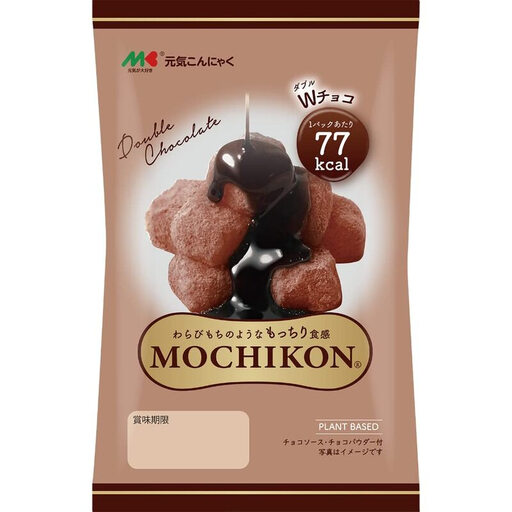
Why This Fits Their Persona: This is for someone eager to try authentic Japanese sweets. It offers a unique dessert experience that is a world away from a standard British chocolate bar, combining a traditional ingredient with a familiar flavour.
It avoids the "international snack gamble" by clearly describing its core ingredient (konjac) and texture ("chewy dessert with a texture similar to warabimochi"), setting accurate expectations.
It is certified Halal and suitable for vegans, making it an inclusive option. It is also a high-fibre, low-calorie dessert, offering a guilt-free way to explore new tastes.
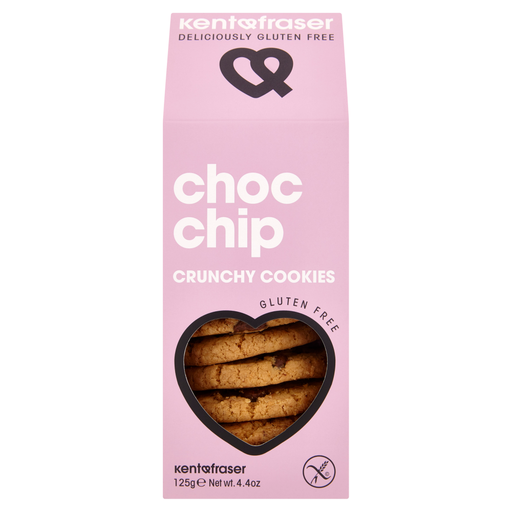
Why This Fits Their Persona: This is for someone who needs a gluten-free option but refuses to compromise on the classic cookie experience. It is designed from the ground up to be a satisfying, crunchy chocolate chip cookie.
It avoids the "free-from flavour compromise" by using quality ingredients like light muscovado sugar and real chocolate chips, ensuring a rich flavour and satisfying texture.
The recipe uses a blend of rice flour and potato starch to achieve a genuinely crispy, crunchy texture that is often difficult to find in gluten-free baking.
We have compiled a complete, real-time list of products that fully satisfy these strict selection criteria and UK safety regulations.
1. What is the difference between compound chocolate and real milk chocolate? Real milk chocolate's primary fat is cocoa butter, which gives it a smooth, melt-in-the-mouth quality. Compound chocolate often substitutes cocoa butter with vegetable fats like palm oil. While this makes it more stable in warmer temperatures and often cheaper, it can have a waxy texture and less complex flavour. Always check the ingredients; if you see "vegetable fats" listed in addition to cocoa butter, it may be a compound.
2. How should I store multipack chocolates to keep them fresh? The key is to store them in a cool, dry place away from direct sunlight and strong odours (chocolate can absorb smells). An airtight container is your best option after the main packaging has been opened. This prevents the chocolate from developing a "bloom" (a harmless whitish coating) and keeps biscuits or wafers from going soft.
3. Are Japanese and Korean snacks much sweeter than British sweets? Not necessarily. While some can be very sweet, many East Asian snacks focus on a balance of flavours and textures. You will often find treats that are less sugary and may incorporate savoury notes (like soy), nutty flavours (from red bean or sesame) and unique textures (like mochi). It is helpful to read the description to understand the intended flavour profile.