Who is a chocolate bar worth considering for?
Ride length, intensity and ingredients matter more than whether a bar is familiar.
Riders on longer, lower-intensity outings
A single bar can be one portable carbohydrate contribution on a ride over 90 minutes. British Cycling’s indoor-cycling guidance suggests 30–60g carbohydrate per hour for rides of that length, so compare the whole bar or pack with the rest of your food and drink plan.
Riders facing sustained hard efforts
If eating chocolate at effort is difficult, consider a different format. For long, fairly high-intensity riding, British Cycling identifies easily tolerated, fast-acting carbohydrate drinks and gels as options.
Riders checking ingredients
Chocolate-bar recipes differ. If an allergy or intolerance affects your choice, check the exact current wrapper for ingredients and precautionary statements before taking a bar on a ride.
What should you check before choosing?
Start with the ride and the portion you would actually carry, then check whether its ingredients and format work for you.
| Priority | What to check | Your needs |
|---|
| Ride duration |
Check whether you need food during the ride. British Cycling’s indoor-cycling guidance says most sessions under an hour need no additional fuel during the session; it suggests 30–60g carbohydrate per hour for rides over 90 minutes. |
For a longer ride, I want the bar to fit into a plan for the whole outing, not stand in for that plan. |
| Carbohydrate per portion |
Read the amount for the complete bar or pack. If the label gives only a per-100g figure, check the pack weight before calculating a portion. |
I want to know what the portion I will eat contributes, particularly if the pack contains several bars or fingers. |
| Intensity and tolerance |
Consider the effort and whether you can comfortably eat the chosen format while riding. British Cycling points to easily tolerated drinks and gels for long, fairly high-intensity efforts. |
On a hard ride, I would rather carry a format I can manage at effort than choose chocolate solely for its carbohydrate figure. |
| Ingredients |
Check the current wrapper for ingredients and may-contain statements for the exact variant; milk, wheat or barley, peanuts, other nuts, soya and egg appear across the products discussed here. |
If an ingredient matters to me, a familiar brand name is not enough to establish that this particular bar is suitable. |
| Pack format |
Distinguish one bar from a twin pack, multipack or sharing bar. Check individual portion size and wrapping if you plan to carry just one portion. |
I want to pack the amount I have planned to eat without mistaking the outer pack’s nutrition for one bar’s. |
Which brand products provide useful reference points?
These figures describe particular products and pack sizes, not every bar made by each brand.
Mars
Tesco lists 36g carbohydrate and 8.1g fat in a Mars Milk Chocolate Bar 51g.
- The declared carbohydrate amount reaches the lower end of British Cycling’s 30–60g-per-hour guidance for rides over 90 minutes.
- Check the current wrapper for ingredients and allergens; the bar is one contribution, not a full-ride food and drink plan.
Twix
Premium Snacks describes a 50g Twix twin pack with 65g carbohydrate and 24g fat per 100g. For the whole pack, those declarations calculate to about 32.5g carbohydrate and 12g fat.
- The two-finger pack allows a choice of when to eat each finger.
- The calculated figures apply to both fingers together. The listed ingredients include wheat, milk and soya, with a may-contain statement for hazelnut, almond and barley.
KitKat
KitKat UK lists its 4 Finger Milk bar at 41.5g, with 26.1g carbohydrate and 10.2g fat per bar.
- The four-finger format can be divided during a stop.
- One bar is below the 30g lower end of British Cycling’s hourly guidance for rides over 90 minutes. Its ingredients include wheat and milk.
Snickers
Snickers UK lists 23g carbohydrate and 9.9g fat in its 40g chocolate bar.
- It offers a clearly stated 40g portion for comparing with a ride plan.
- The ingredients include peanuts, milk, soya and egg, and the label says it may contain other nuts.
Galaxy
Galaxy UK lists 23g carbohydrate and 14g fat in its Milk Chocolate Bar 42g.
- The per-bar declaration makes its carbohydrate contribution straightforward to count.
- One bar is below the 30g lower end of British Cycling’s hourly guidance for rides over 90 minutes; its ingredients include milk and soya.
Cadbury
Cadbury lists a Dairy Milk Chocolate Bar 95g, a different pack size from the individual 40–51g products described above.
- For the particular Cadbury bar you are considering, check the wrapper’s weight, carbohydrate declaration and allergens before comparing it with a single riding portion.
Joybuy chocolate-bar options
These multipacks contain chocolate-bar portions to consider for a longer, lower-intensity ride. Plan around the individual portion you intend to carry, rather than the outer pack.
 No image available
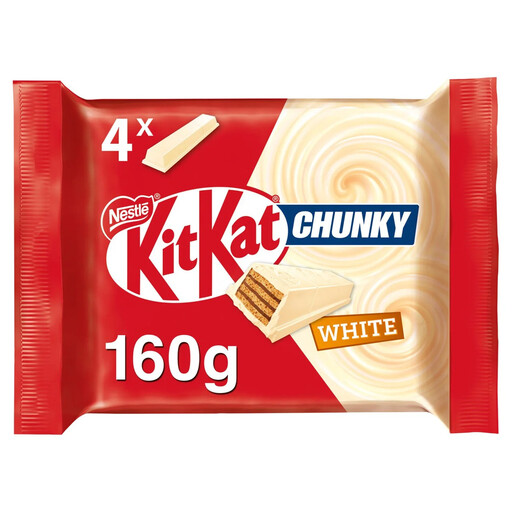
KitKat Chunky White Chocolate 4 Bars 160g
This four-bar pack is an option if you want to take one chocolate-bar portion on a longer, lower-intensity ride. Check the current wrapper for the portion’s carbohydrate declaration and ingredients before fitting it into your plan.
View on Joybuy
 No image available
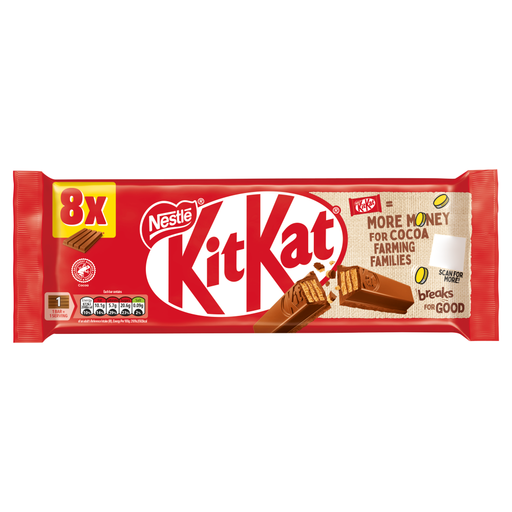
KitKat 4 Finger 8 Pack 332g
This pack contains eight four-finger bars, so compare one bar rather than the 332g outer pack with your ride plan. KitKat UK lists 26.1g carbohydrate for its 41.5g 4 Finger Milk bar; check the current pack label for this purchase, including its fat and allergen declarations.
View on Joybuy
 No image available
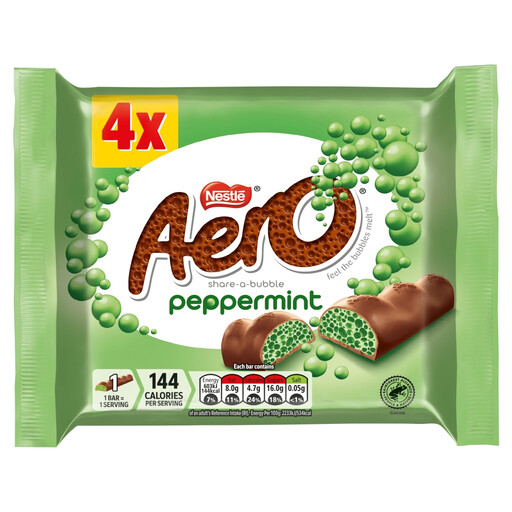
Aero Peppermint 4x Bars 108g
If you plan to carry one bar from this four-pack, check its individual portion details against your longer-ride plan. Confirm the wrapping and ingredients on the current pack if carrying a separate bar or checking allergens matters to you.
View on Joybuy
 No image available
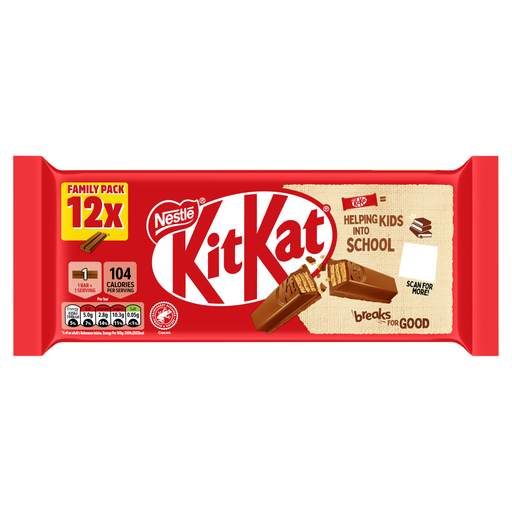
KitKat 2 Finger Milk 12 x 20.7g
Each stated 20.7g bar is a smaller portion to account for within a longer-ride plan. Check the per-bar carbohydrate figure and current ingredients rather than using the nutrition for the twelve-bar pack as a single portion.
View on Joybuy
Questions about chocolate bars on rides
Do I need a chocolate bar on every cycle ride?
No. British Cycling’s indoor-cycling guidance says most sessions under an hour need no additional fuel during the session, while rides over 90 minutes call for additional fuel. For a longer ride, consider duration, intensity and what you tolerate before choosing a bar or another format.
Can one chocolate bar cover an hour’s carbohydrate plan?
It depends on the product and the rest of your plan. Tesco lists 36g carbohydrate for a Mars 51g bar, and Premium Snacks’ declaration calculates to about 32.5g for a complete Twix 50g twin pack; both reach the lower end of the 30–60g-per-hour range in British Cycling’s guidance for rides over 90 minutes. KitKat UK lists 26.1g for its 41.5g 4 Finger Milk bar, so one of those bars alone falls below that lower end.
Should I choose a chocolate bar for a hard ride or race?
Do not choose by carbohydrate amount alone. For long, fairly high-intensity riding, British Cycling suggests easily tolerated, fast-acting carbohydrate drinks and gels. If you are considering chocolate, work out whether you can comfortably eat it at the intended effort rather than assuming a larger carbohydrate figure makes it more suitable.
Which allergens should I check?
Check the current wrapper of the exact product for ingredients and may-contain statements relevant to you. The products discussed have different combinations of milk, wheat or barley, peanuts, other nuts, soya and egg; one bar’s label cannot establish what is in another size or variant.
Is an online ingredient listing enough for an allergy decision?
Read the physical wrapper before eating the bar. Tesco cautions on its Mars listing that food products can be reformulated and that ingredients, nutrition and allergen information may change, so an online comparison should not replace the current product label.


