Home bakers who also pack lunchboxes
If the same purchase needs to cover snacks and a batch of brownies, cookies or traybakes, look at both the portion size and the total weight. Also check whether each bar has the ingredients your recipe calls for.


Choose plain milk-chocolate bars if the recipe calls for milk chocolate without fillings. Choose caramel, peanut or wafer bars when you want those ingredients in the finished bake. For a pack that will also go into lunchboxes, compare the weight of each bar and the total pack weight, then check the wrapper for current ingredient and allergen information.
If the same purchase needs to cover snacks and a batch of brownies, cookies or traybakes, look at both the portion size and the total weight. Also check whether each bar has the ingredients your recipe calls for.
Plain milk chocolate, caramel and nougat, peanuts, and chocolate-coated wafer bring different ingredients to a bake. Pick the bar for the component you intend to add rather than treating the formats as interchangeable.
Check the exact wrapper before packing bars or serving a bake to others. The products discussed here differ in their listed milk, soya, peanut, other-nut, egg and wheat information.
Start with the recipe’s ingredients, then check whether the pack supplies enough chocolate and usable portions for both baking and lunchboxes.
| Priority | What to check | Your needs |
|---|---|---|
| Bar ingredients | Check whether the bar is plain milk chocolate or includes caramel, nougat, peanuts or wafer. Filled bars add ingredients beyond the chocolate a recipe may call for. | If my recipe calls simply for milk chocolate, I want a plain bar. I would choose a filled or wafer bar when that addition is part of the plan. |
| Pack and portion weight | Compare the total pack weight with the recipe quantity, then check grams per bar. Cadbury UK lists Little Bars at 18 g each in 72 g and 180 g multipacks; Galaxy UK lists four 42 g bars totalling 168 g. | I need enough for the bake without overlooking how much remains for lunchboxes. The number of bars alone does not answer that. |
| Ingredients for sharing | Read the current pack’s ingredient and precautionary statements. Galaxy UK lists milk and soya; Snickers UK lists peanuts and says its 12-bar peanut multipack may contain other nuts. Check the exact product rather than applying one bar’s label to another. | Before I share bars or a bake, I need to know whether every intended eater can have the ingredients in this particular pack. |
Caramel, nougat, peanuts and wafer change what goes into the bake. For example, Mars UK lists barley malt extract and egg white powder in its 12-bar caramel multipack, while KitKat UK describes its two-finger bar as chocolate-coated wheat-flour wafer.
Use a plain milk-chocolate bar when the recipe calls for milk chocolate alone. Choose a filled or wafer bar when you want its additional ingredients in the result.
Cadbury UK lists four 18 g Little Bars at 72 g in total, while Galaxy UK lists four 42 g Smooth Milk bars at 168 g. The same bar count can therefore represent a different quantity for a recipe.
Compare the recipe’s required weight with both the pack total and the weight of each bar before deciding how many packs to buy.
Ingredient and precautionary statements differ: Snickers UK lists peanuts and a possible presence of other nuts, while KitKat UK lists wheat flour in its two-finger milk-chocolate bar.
Read the wrapper of the pack you buy before sharing bars or bakes, particularly when someone has an allergy or dietary restriction.
These brand examples illustrate different bar formats; they are not a comparison of baking performance or a list of products available from Joybuy.
Cadbury UK lists Dairy Milk Little Bars as 18 g milk-chocolate mini bars in four- and ten-bar multipacks.
Galaxy UK lists Smooth Milk as four 42 g bars, totalling 168 g.
Mars UK lists caramel-bar multipacks, including a 12 × 34.5 g format.
Snickers UK lists a peanut-bar multipack containing twelve 34.5 g bars.
KitKat UK describes its two-finger milk-chocolate bar as chocolate-coated wafer.
Mars UK names Twix among its products.
These multipacks are options to consider when a recipe calls for a named bar or an intentional peanut-butter, caramel or wafer addition. Check each pack against the recipe and any lunchbox requirements; the list is not a selection of plain milk-chocolate baking bars.
 No image available
Consider this eight-pack when caramel and wafer are intended in the bake, rather than as a substitute for plain chocolate. Check the wrapper’s ingredients and whether the portions work for your lunchboxes.
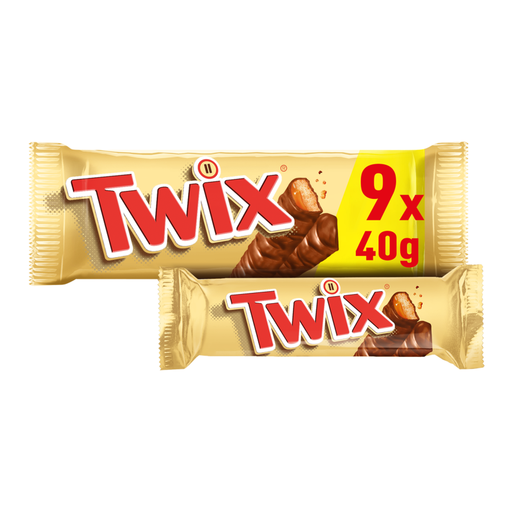 No image available
The title identifies nine 40 g twin packs for planning snacks and a recipe. Check the wrapper for ingredients, allergens and how the twin packs are wrapped if separate lunchbox portions matter.
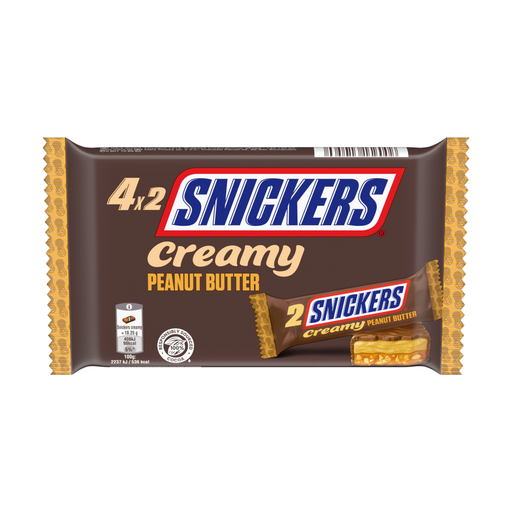 No image available
This four-pack belongs in a bake only when peanut butter is an intended ingredient. Check the current wrapper for allergens and the wrapping format before using the bars for shared food or separate lunchboxes.
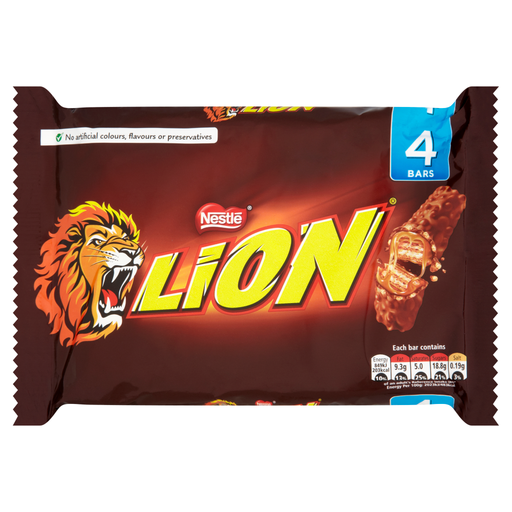 No image available
The four-bar format lets you plan how many bars to use or keep for snacks. Read the wrapper for the ingredients, bar weights and wrapping format before relying on it for a recipe and separate lunchboxes.
 No image available
Consider these wafer bars when wafer is intentional in a bake. The title identifies twelve bars totalling 216 g; check the wrapper for ingredients and whether each bar is wrapped as needed for lunchboxes.
Choose plain milk-chocolate bars when the recipe calls for milk chocolate without additional ingredients. Choose filled or wafer bars when those components are intentional: Mars UK lists ingredients associated with caramel and nougat in its caramel bars, Snickers UK lists peanuts in its peanut multipack, and KitKat UK describes its two-finger bar as chocolate-coated wafer. This is a choice based on ingredients, not a claim about how the bars perform in a bake.
Check the physical wrapper of the pack you buy before serving. Online pages can help you shortlist products, but the exact bar’s current ingredient and precautionary statements matter; the products discussed here differ in their listed milk, soya, peanut, other-nut, egg and wheat information.
If your activity is a food business, the Food Standards Agency says you must register with your local authority at least 28 days before trading or food operations start. Baking for your own household does not, by itself, mean you are starting a food business.