Recreational riders
An individually wrapped bar can be a snack at a ride stop or a treat afterwards. Check the carbohydrate in that bar, and carry drinks separately.


For a ride stop or lunchbox, choose a multipack by the size and label of the bar you will actually carry, rather than the total pack weight. Mars labels its 18 g Fun Size portion at 13 g carbohydrate and 2.8 g fat; the larger Snickers Peanut and Galaxy Smooth Milk bars list more carbohydrate and more fat per bar. For a long ride, count chocolate alongside other food and drink rather than relying on it as the whole plan.
An individually wrapped bar can be a snack at a ride stop or a treat afterwards. Check the carbohydrate in that bar, and carry drinks separately.
A chocolate bar can contribute to the food carried for a multi-hour ride. Work out its contribution alongside other food and drink rather than treating one wrapper as a complete plan.
Bar count and individual size matter when dividing a pack between people or days. Check the current pack’s ingredients and allergen information for each recipient.
Start with the portion you intend to carry, then compare its label and the number of units in the pack. A longer ride also calls for a plan covering food and fluids beyond one chocolate bar.
| Priority | What to check | Your needs |
|---|---|---|
| Carbohydrate per bar | Read the amount per carried portion, not per multipack. Mars lists 13 g per 18 g Fun Size portion, Snickers 20 g per 34.5 g Peanut bar and Galaxy 23 g per 42 g Smooth Milk bar on their respective labels. | I want to know what one wrapper contributes before deciding what other food or drink to take. |
| Portion and pack size | Compare both bar weight and pack count. Manufacturer listings show Mars Fun Size as 19 × 18 g, Cadbury Dairy Milk Little Bars as four 18 g bars and Galaxy Smooth Milk as four 42 g bars. | A smaller bar may suit my lunchbox or a brief stop; for a different occasion, I might prefer a larger bar in one wrapper. |
| Fat per portion | Compare fat on the same per-bar basis as carbohydrate. Mars labels 2.8 g fat per 18 g Fun Size portion, Snickers 8.5 g per 34.5 g Peanut bar and Galaxy 14 g per 42 g Smooth Milk bar. | I want to compare the composition of the snack I will carry, not choose by pack weight or calories alone. |
| Ingredients and allergens | Read the ingredients and precautionary allergen wording on the exact current pack. Do not assume another bar from the same brand has the same recipe. | If I am buying for someone with an allergy or intolerance, the particular variant and its current label matter more than a familiar wrapper. |
| Long-ride planning | Count carbohydrate from all planned food and drink, and make a separate plan for fluids. British Cycling gives a general sportive guide of 1 g carbohydrate per kg of body weight per hour; that is not a claim about what one chocolate bar provides. | For a multi-hour ride, I need to consider everything I will carry rather than expecting a multipack to cover the ride by itself. |
The pack total does not tell you how much carbohydrate is in the bar going into your pocket. Mars Fun Size portions weigh 18 g, while a Galaxy Smooth Milk multipack contains 42 g bars.
Use the label for one bar, then decide how many wrappers to take and what else belongs in your food and drink plan.
One bar describes only part of what you will consume. British Cycling’s sportive guidance addresses carbohydrate intake over time, while fluids need planning too.
For a longer event, account for all the food and drink you intend to carry rather than treating a confectionery multipack as the whole plan.
Galaxy labels its 42 g Smooth Milk bar at 23 g carbohydrate and 14 g fat; Mars labels an 18 g Fun Size portion at 13 g carbohydrate and 2.8 g fat. The larger carbohydrate figure describes a different-sized snack with a different fat amount.
Compare carbohydrate, fat and bar weight together, using the same per-wrapper basis.
Ingredients and precautionary allergen statements are specific to a product and variant, which matters when a bar is intended for someone with an allergy or intolerance.
Check the current exact pack before putting a bar in a lunchbox or giving it to another rider.
These are references to particular listed formats, not claims about every bar from each brand or about what Joybuy stocks. Compare the exact variant and current label when buying.
Mars lists a Fun Size multipack of 19 × 18 g bars for shoppers seeking smaller portions.
The listed Snickers Peanut multipack contains 12 × 34.5 g bars, a larger portion per bar than Mars Fun Size.
Galaxy lists Smooth Milk as a four-bar multipack with a 42 g portion per bar.
Cadbury lists Dairy Milk Little Bars as a four-pack of 18 g mini bars.
KitKat’s listed 4 Finger Milk bar is a 41.5 g single bar; those figures should not be assigned to a different KitKat variant.
A Joybuy category listing names a Twix twin-bar format as nine 40 g units.
These multipacks offer portions to consider for ride stops or lunchboxes. Check the label of the unit you will carry before including it in a longer ride’s food and drink plan.
 No image available
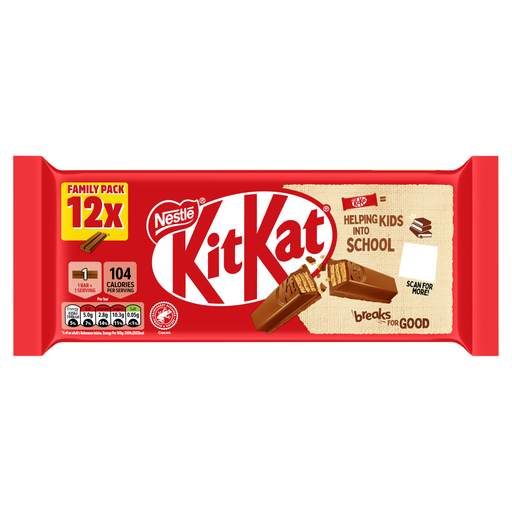
The 12-bar pack gives you 20.7 g units to consider for lunchboxes or ride stops.
Check this 2 Finger variant’s current per-bar nutrition and allergen label; figures for KitKat 4 Finger Milk describe a different bar.
 No image available
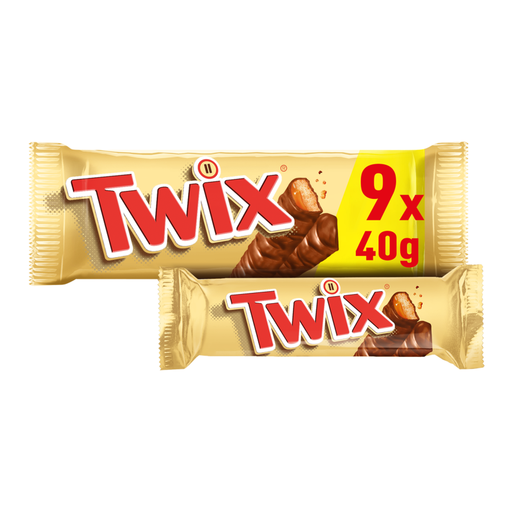
Consider this nine-unit twin-bar pack if a 40 g unit suits the snack you intend to carry or pack for lunch.
Use the current pack label to check carbohydrate and fat for that unit, as well as ingredients for the recipient.
 No image available
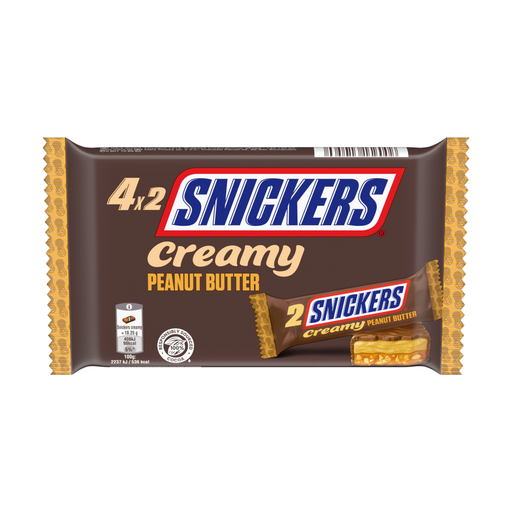
This four-bar pack is an option when you want a small number of bars for separate snack occasions.
Check the individual bar weight, per-bar nutrition and current allergen declaration before choosing it for a rider or lunchbox. Figures for the Snickers Peanut 12-pack describe a different variant.
 No image available
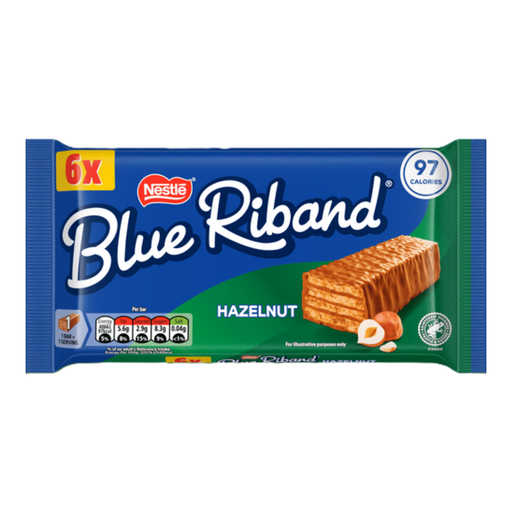
Six 17.5 g bars offer smaller units to consider for lunchboxes or an occasional ride stop.
Read the current pack for carbohydrate and fat per bar and for its allergen declaration, particularly when buying for someone with a nut allergy.
Do not plan a long ride around one bar alone. British Cycling gives a general sportive guide of 1 g carbohydrate per kg of body weight per hour; compare the carbohydrate in the bar you will carry with all your planned food and drink, and plan fluids separately.
Mars lists Fun Size portions at 18 g in a 19-bar pack, and Cadbury lists four 18 g Dairy Milk Little Bars. Mars gives 13 g carbohydrate and 2.8 g fat per labelled portion; read the Cadbury pack’s own nutrition panel rather than transferring those figures to it.
A larger bar changes more than the carbohydrate amount. Snickers labels its 34.5 g Peanut bar at 20 g carbohydrate and 8.5 g fat, while Galaxy labels its 42 g Smooth Milk bar at 23 g carbohydrate and 14 g fat. Compare the whole per-bar label with what you intend to carry and eat.
Check the portion size and the exact current pack’s ingredients and allergen declaration for the person who will receive it. A brand name, product image or label from another variant is not a substitute for that check.