Parents planning an occasional treat
If one child wants a particular chocolate, a named bar avoids the flavour uncertainty of an assortment. Decide how much to serve rather than assuming the whole bar is one child-sized portion.


For one planned chocolate treat at home or on an outing, a named single bar is a closer match than a sharing box; choose a multi-piece pack or assortment when you intend to divide it among people. A single bar is not automatically a child-sized serving: NHS Healthier Families says a chocolate bar can contain six sugar cubes, which it describes as a 10-year-old’s full daily sugar allowance.
If one child wants a particular chocolate, a named bar avoids the flavour uncertainty of an assortment. Decide how much to serve rather than assuming the whole bar is one child-sized portion.
Countable pieces or a mixed selection may suit a group. Check the exact pack’s ingredients and allergen information before serving it to anyone with an allergy or intolerance.
Check the school-food standards and the school’s policy before choosing a snack. Department for Education guidance covers food provided by state-funded schools in England, while the Requirements for School Food Regulations 2014 define chocolate and chocolate-containing products as confectionery. That England-specific guidance does not establish the position elsewhere in the UK.
Start with who will eat the chocolate and where it will be served; then compare the pack format, serving information and exact label.
| Priority | What to check | Your needs |
|---|---|---|
| Pack format | Check whether it is one named bar, several pieces or an assortment. Count the intended recipients before choosing a sharing pack. | For one planned treat, I want a known flavour rather than a box of different chocolates. For a group, I can choose pieces to share deliberately. |
| Serving and sugar | Read the nutrition label’s serving size and sugar value; a pack sold as one bar need not be served all at once. NHS Healthier Families says a chocolate bar can contain six sugar cubes, the full daily sugar allowance it states for a 10-year-old. | I want to decide the serving before opening the pack, rather than treating the packaging as portion advice. |
| Allergens | Read the exact pack’s ingredients, declared allergens and precautionary wording. An individually wrapped piece in a mixed box is not thereby allergen-free. | When sharing with other children, I need to check the product each person will receive. The Celebrations 500g tub’s published ingredients include peanuts and carry precautionary warnings for almonds, hazelnuts and oats. |
| School setting | Distinguish a private holiday treat from food provided by a school. For state-funded schools in England, check the applicable school-food standards: the Requirements for School Food Regulations 2014 define chocolate as confectionery. | At home, I am choosing a treat and its serving. If I am providing school food, I need to follow the rules and policy for that school’s nation and setting. |
NHS Healthier Families says a chocolate bar can contain six sugar cubes, which it describes as a 10-year-old’s full daily sugar allowance. The number of units in a pack is not portion advice.
Plan an occasional treat and decide the amount to serve before opening the pack.
Mixed chocolates can contain different ingredients. The Celebrations 500g tub’s published ingredient information includes peanuts and precautionary warnings for almonds, hazelnuts and oats.
Read the current label on the precise pack before serving it, particularly if anyone has an allergy or intolerance.
Department for Education guidance addresses food provided by state-funded schools in England; it is not a rule for a parent’s at-home school-holiday treat or, by itself, an account of standards across the UK.
For school-provided food, check the applicable nation’s standards and the school’s policy. For a private treat, use the product’s nutrition and allergen information to make the choice.
An assortment introduces several flavours and ingredient lists when the intended purchase is one named treat. Cadbury describes its Heroes 290g box as assorted chocolates for sharing.
Choose the format around the number of recipients: a named product for one planned choice, or a sharing pack when several people will actually share it.
These brand examples illustrate the difference between a named chocolate, a small multi-piece pack and an assortment; they do not establish which packs are suitable for a particular child.
Cadbury lists a Dairy Milk 95g bar as a named single-bar option and describes its Heroes 290g box as assorted chocolates for sharing.
The Celebrations 500g tub lists eight centre types, including Snickers, Mars, Twix and Bounty, for a mixed selection rather than one named bar.
Nestlé presents Quality Street as a range of assorted chocolates. It is a mixed-selection alternative, not a single named bar.
Ferrero Rocher lists a three-piece pack as a small multi-piece option.
These named chocolates and multipacks are options to consider for a planned treat at home or on a private outing. Several contain multiple bars, so check the pack size against the number of people you intend to serve.
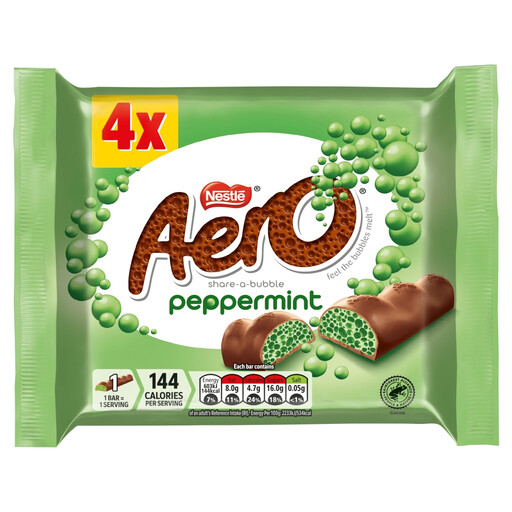 No image available
The four-bar pack offers a named peppermint flavour rather than an assortment. Decide how many bars to serve and check the current nutrition and allergen label; the listing declares milk.
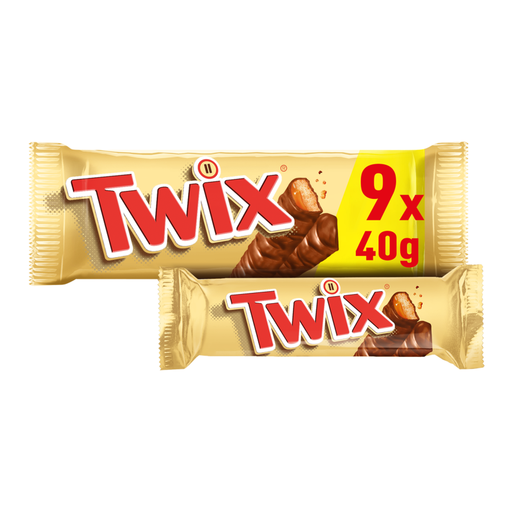 No image available
Nine twin packs are a multipack choice, not a single-bar purchase. Decide whether one finger or a twin pack fits the planned serving, and check the current label for sugar and allergens; the listing declares milk, soya and wheat.
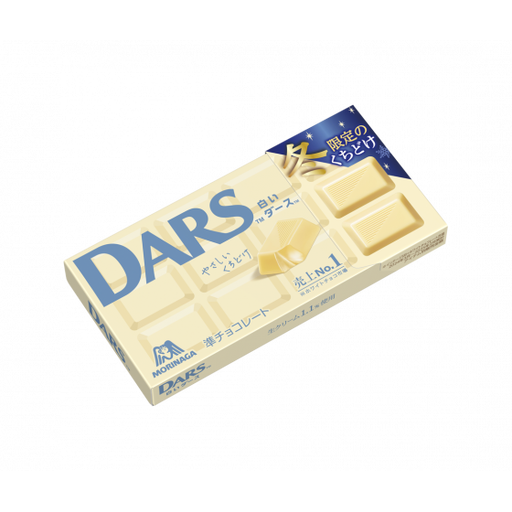 No image available
This named 47g white chocolate is a single-product choice rather than an assortment. Check the pack’s serving information; its listing declares milk and soya and warns of possible wheat and nuts.
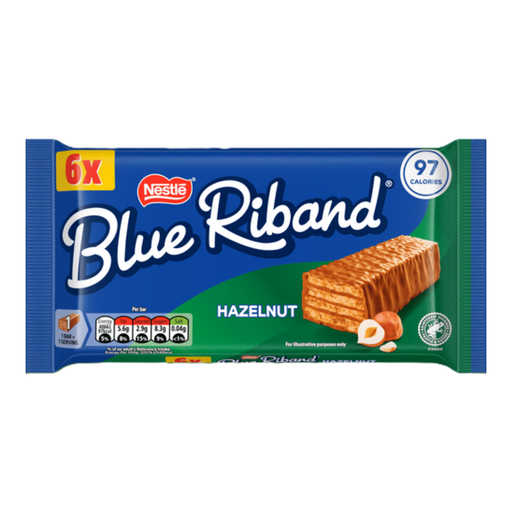 No image available
These individually wrapped hazelnut wafer bars can be allocated separately, but they are not plain chocolate bars. The listing warns that the product is unsuitable for children under four and declares wheat, milk, soya and nuts; check the current pack label.
 No image available
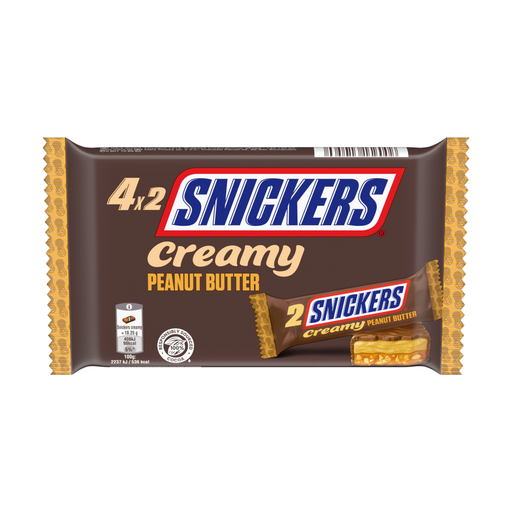
The four-bar format allows separate treats rather than a single-bar purchase. Check the current pack for each bar’s serving information and allergens; the listing declares peanuts, milk, egg and soya and notes a facility that handles tree nuts.
No. NHS Healthier Families says a chocolate bar can contain six sugar cubes, which it describes as a 10-year-old’s full daily sugar allowance. Check the particular bar’s nutrition label and decide how much to serve as an occasional treat.
No. Wrappers do not replace the ingredient and allergen statement for the exact pack. The Celebrations 500g tub’s published ingredients include peanuts and carry precautionary warnings for almonds, hazelnuts and oats; check the current label before sharing.
The Department for Education’s school-food guidance concerns food provided by state-funded schools in England, not a parent’s private school-holiday purchase. For a treat at home or on an outing, consider the serving and the product’s nutrition and allergen label instead.
Check the applicable school-food standards and the school’s policy before selecting it. In England, Department for Education guidance covers food provided by state-funded schools, and the Requirements for School Food Regulations 2014 define chocolate and chocolate-containing products as confectionery. Those England-specific sources do not establish the rules for schools elsewhere in the UK.