Hosts serving adults and families
If guests will help themselves, decide whether separate bars or a bar with break points will be easier to set out. KitKat 4 Finger has four wafer fingers; a multipack provides separate bars.


KitKat 4 Finger Milk is a practical single-bar choice when guests can have wheat and milk: its four fingers can be broken apart, and it is also sold in packs of separate bars. For a plain chocolate option without wafer, consider Galaxy Milk Chocolate 42g instead; it contains milk and soya. Neither choice replaces checking the exact pack against guests’ ingredient and allergen needs.
If guests will help themselves, decide whether separate bars or a bar with break points will be easier to set out. KitKat 4 Finger has four wafer fingers; a multipack provides separate bars.
Keep the exact wrappers available so guests can check ingredients and precautionary allergen statements. The chocolate, wafer, caramel and peanut bars discussed here have different ingredient lists.
A 95g Cadbury Dairy Milk bar calls for a different serving plan from a 40–42g single bar. Check both the amount in each serving and the nutrition figures on its pack.
Choose a serving format first, then check the exact pack for ingredients and nutrition information before putting it on the buffet.
| Priority | What to check | Your needs |
|---|---|---|
| Ingredients and allergens | Read the exact pack’s ingredients, highlighted allergens and any “may contain” statement. Check the particular bar, not just its brand. | I need guests to be able to identify ingredients they must avoid. A plain milk-chocolate bar is not automatically suitable for everyone. |
| Serving format | Check whether you are buying one bar, several separate bars or a larger bar to portion yourself. KitKat 4 Finger Milk is 41.5g; the Cadbury Dairy Milk bar discussed here is 95g. | Will guests take a whole bar, or would breakable fingers work better on my buffet? If I choose a larger solid bar, I will need to portion it. |
| Nutrition labels | Compare sugars and saturates per 100g across different bar sizes, then check the values for the serving guests will take. NHS food-label guidance describes more than 22.5g sugars or 5g saturates per 100g as high. | I want to compare the bars on the same basis without mistaking a smaller pack for a lower per-100g value. |
Snickers lists peanuts; Mars lists egg white powder and barley malt extract; and the Twix label lists wheat. Precautionary statements can differ too.
Read the wrapper of each exact product before serving it, and leave its ingredient information available to guests.
A 95g Cadbury Dairy Milk bar is a different format from a 41.5g KitKat 4 Finger bar or a multipack of separate bars.
Decide whether guests will take individual bars, break off fingers or take pieces you portion yourself.
A per-bar figure describes that bar’s serving, while a per-100g figure lets you compare bars of different weights on the same basis.
Use both figures where the pack provides them; do not infer sugar or saturates from the size of the wrapper.
A listing for 24 × 42g Galaxy bars describes a different pack quantity from one 42g Galaxy bar, even though the individual-bar weight matches.
Check the product title and pack count before ordering, then use the delivered pack for ingredient information.
These are references to specific bars and labels, not a claim that every product from each brand has the same ingredients.
KitKat 4 Finger Milk is a 41.5g milk-chocolate-covered wafer bar with four fingers.
Galaxy Milk Chocolate Bar 42g is a plain milk-chocolate single bar rather than a wafer or filled bar.
Cadbury Dairy Milk Chocolate Bar 95g is a larger plain milk-chocolate bar for hosts willing to portion it.
Mars Caramel & Milk Chocolate Bar 40g offers caramel and nougat rather than plain chocolate.
The 50g Twix bar listed by SPAR Scotland combines biscuit, caramel and chocolate.
Snickers Chocolate Bar 40g is a peanut-and-caramel option for guests who specifically want that filling.
These multipacks offer separate chocolate-bar portions or smaller bars to consider for a Boxing Day buffet. Compare their pack formats and check the delivered wrappers against guests’ ingredient needs.
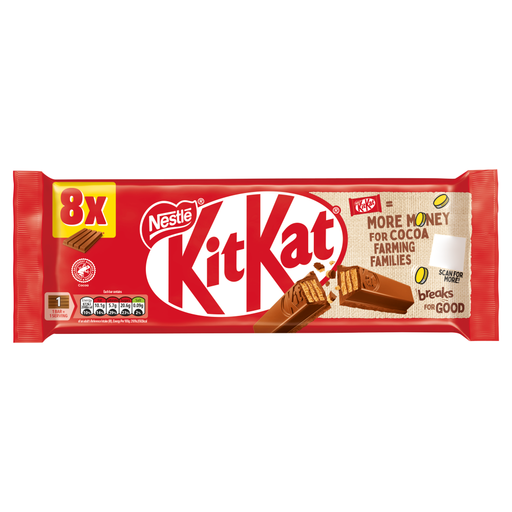 No image available
Consider the four-finger format if break points would help guests share a bar. The pack contains eight bars; check its wrapper for wheat, milk, soya and the precautionary nut statement before serving.
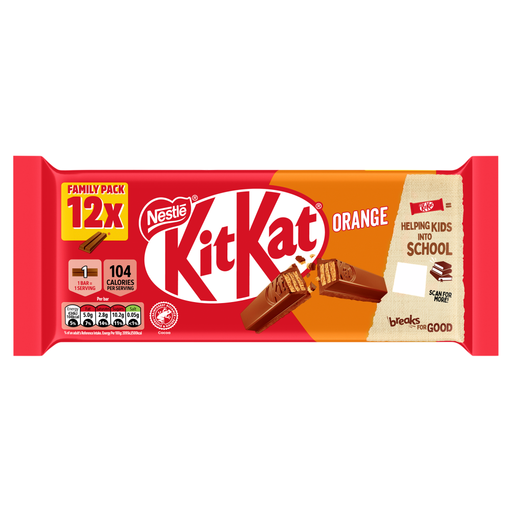 No image available
The orange-flavoured two-finger bars provide twelve stated 20.7g portions. Check the pack for wheat and milk, and confirm the wrapping arrangement if guests need to take separately wrapped bars.
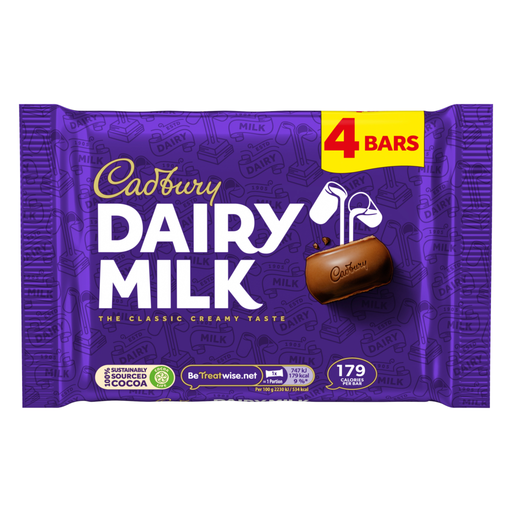 No image available
Four plain milk-chocolate bars offer an alternative to buying one larger bar to break up. Check the pack for milk and its precautionary statements for nuts and wheat; use the wrapper if you need a per-bar nutrition comparison.
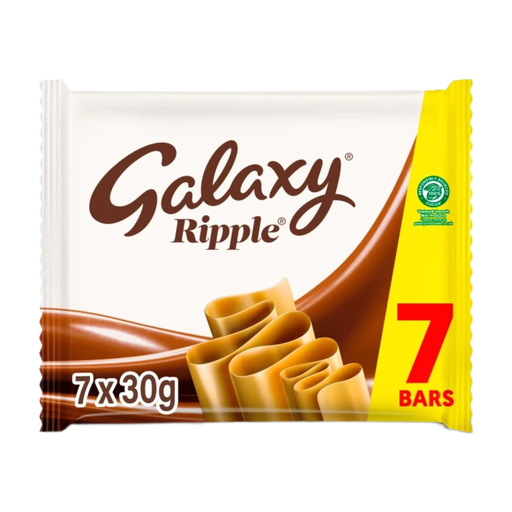 No image available
This seven-bar pack offers a milk-chocolate option without a biscuit or caramel filling. Check the exact wrappers for milk, soya and the precautionary nut statement; consult the pack for per-bar nutrition values if you are comparing portions.
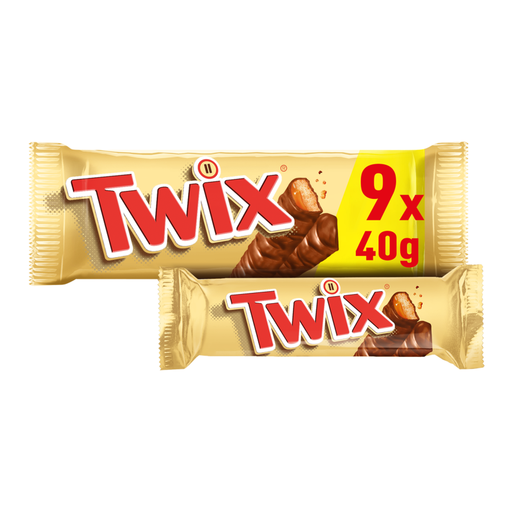 No image available
Choose the biscuit-and-caramel format when that filling is wanted rather than plain chocolate. The pack lists nine 40g twin portions; check for milk, soya, wheat and precautionary statements, and confirm the wrapping if separate packs matter.
KitKat 4 Finger Milk has four breakable fingers, making it a practical choice when guests can have wheat and milk. If you would rather offer plain chocolate without wafer, Galaxy Milk Chocolate 42g is an alternative, but its ingredients include milk and soya.
No. Snickers lists peanuts, milk, soya and egg white powder, and it may contain other nuts. Ask guests about relevant needs and let them check the exact wrapper rather than treating one bar as suitable for everyone.
The wrapper identifies the ingredients and allergen statements for the pack you will actually serve. Keep it available so guests can read both listed ingredients and any “may contain” statement, which the Food Standards Agency describes as communicating possible unintended allergen presence.
Compare the sugars per 100g to use the same basis, then look at the amount per bar for the portion being offered. NHS food-label guidance describes more than 22.5g sugars per 100g as high; a smaller bar alone does not tell you its per-100g value.