Students choosing an occasional treat
If chocolate is for a revision break, an individually wrapped bar lets you choose a portion without opening a larger sharing pack. Keep meals and other snacks separate from that treat.


For an occasional chocolate break during revision, individually wrapped small bars make it easier to choose one portion at a time. A box of chocolates makes more sense as a gift or for sharing than as a defined desk portion; check the exact pack’s ingredients, allergen information and serving details before buying for someone else.
If chocolate is for a revision break, an individually wrapped bar lets you choose a portion without opening a larger sharing pack. Keep meals and other snacks separate from that treat.
A box suits a gifting occasion, while a multipack separates bars for later breaks or sharing. Check the recipient’s dietary requirements against the exact product label before choosing either format.
Compare labels for the particular variant rather than relying on a familiar brand name. Snickers Peanut, for example, contains peanuts and carries a may-contain statement for other nuts.
Decide whether the chocolate is for one person’s occasional break or for gifting and sharing, then compare portions and labels within that format.
| Priority | What to check | Your needs |
|---|---|---|
| Portion format | Check whether pieces are individually wrapped, how many the pack contains and the stated weight of each bar. Cadbury identifies its Dairy Milk Little Bars pack as ten 18 g bars. | I want to choose one chocolate treat for a break rather than leave a large bar open at my desk. |
| Nutrition label | Compare the serving size and total sugars on the exact packs. A per-bar figure and a per-100 g figure describe different quantities, so check the basis before comparing them. | I want to know what one actual bar contains, not judge the pack by its total weight alone. |
| Ingredients and allergens | Read the current ingredient list, declared allergens and any may-contain statement for the exact variant. Snickers Peanut identifies peanuts and warns that it may contain other nuts. | If I am buying for someone else, I need to check their dietary requirements before settling on a flavour or brand. |
| Gift or desk use | Check whether the pack offers separate portions or is intended for sharing. For a gift, also check the recipient’s preferences and the pack’s best-before date. | A boxed assortment suits the occasion if I am giving a gift; for my own breaks, I would rather choose portions separately. |
A sharing format does not separate one planned break-time portion as clearly as individually wrapped bars.
Choose the format for its actual purpose: separate bars for occasional breaks, or a box when gifting or sharing is the priority.
King’s College London advises choosing food that keeps hunger from becoming a distraction during revision. Chocolate need not take the place of regular meals and other snacks.
Plan those meals and snacks separately, and treat chocolate as an optional extra during a break.
Variants can have different ingredients. Snickers Peanut contains peanuts and has a may-contain statement for other nuts, which matters when the recipient’s allergies are unknown.
Ask about dietary requirements and read the label on the exact pack before giving it to someone else.
These examples illustrate pack formats; a brand name alone does not establish the ingredients or portion details of every variant.
Cadbury Dairy Milk Little Bars provide an example of individually wrapped small milk-chocolate bars.
Galaxy Smooth Milk is an example of a short milk-chocolate bar multipack.
Snickers Peanut is relevant when the recipient specifically wants a peanut chocolate bar.
KitKat 4 Finger Milk offers a chocolate-coated wafer format rather than a plain chocolate bar.
These options include bar multipacks and smaller chocolate treats for breaks, plus a boxed option for gifting or sharing. Compare the exact pack when portion size or dietary suitability matters.
 No image available
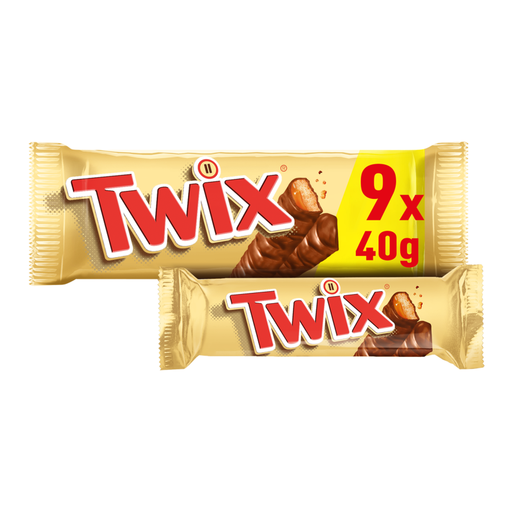
The nine-pack format is an option when you want to set aside a pack for an occasional break. Check the wrapper’s serving and allergen information if you are comparing portions or buying for someone else.
 No image available
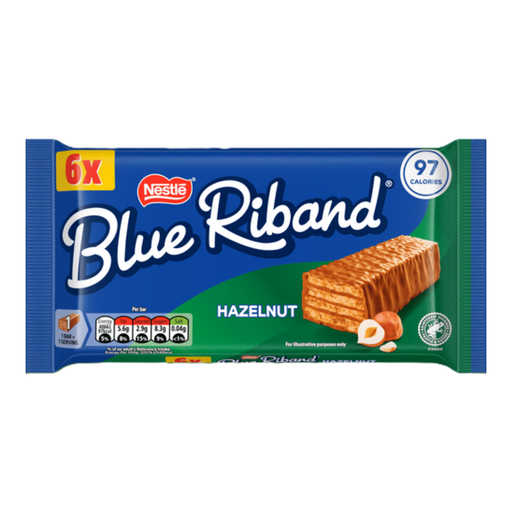
This smaller-bar multipack may suit someone choosing separate treats for breaks. Its hazelnut variant calls for a check of the exact ingredient and allergen label, particularly if the bars will be shared.
 No image available
The mini-treat format is an option for taking a piece during a break or sharing the bag. Check the pack for the weight and nutrition of an individual piece if you need a defined per-piece comparison.
 No image available
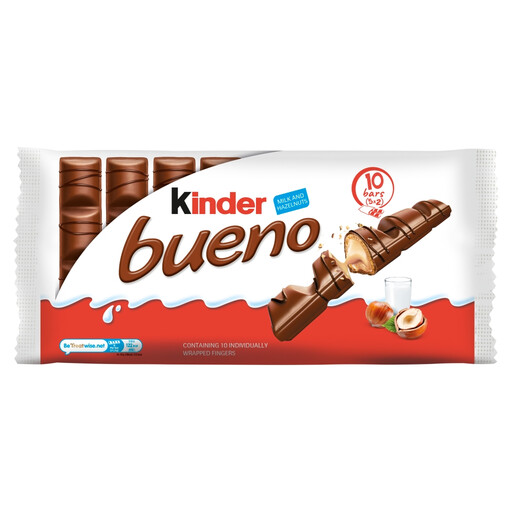
This chocolate-wafer option suits a preference for separately wrapped bars. Pack descriptions give conflicting bar counts, so confirm the contents before relying on a particular number of portions; check the exact allergen label too.
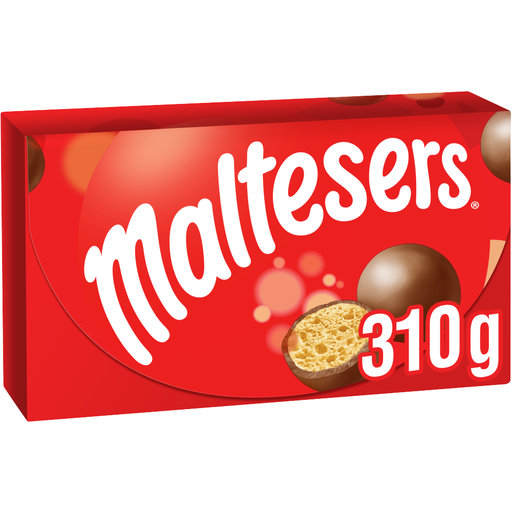 No image available
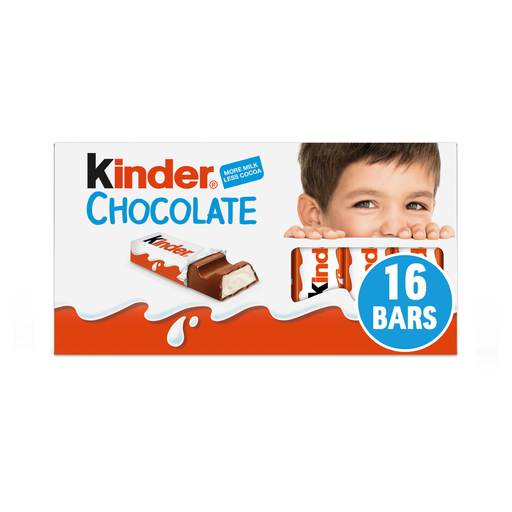
The boxed format fits a gift or sharing occasion rather than a single, pre-separated desk treat. Check the recipient’s dietary requirements against the pack, and look at its portion information if you need to plan individual servings.
Treat chocolate as an optional break-time extra rather than the whole food plan. King’s College London advises choosing food that helps avoid distraction from hunger during revision, so plan meals and other snacks separately.
Start with the serving size and compare figures stated on the same basis, such as per bar or per 100 g. A label’s total-sugars figure is not the same measure as free sugars in NHS dietary guidance.
Check the recipient’s preferences and dietary requirements, then read the exact pack’s ingredients and allergen statements. Do not assume a familiar brand is suitable: Snickers Peanut, for example, contains peanuts and may contain other nuts.