Runners choosing a snack around training
If you want a familiar bar before or after a session, compare its carbohydrate and fat per portion, and consider when you plan to eat it.


A familiar single chocolate bar can be an occasional snack around training, but one bar is not a complete long-run or marathon fuelling plan. For a snack 60–90 minutes before exercise, University College London Hospitals NHS Foundation Trust advises carbohydrate and protein with minimal fat; compare the portion and nutrition panel, and choose food you have tolerated in training. For prolonged running, plan carbohydrate intake by session duration rather than relying on a bar alone.
If you want a familiar bar before or after a session, compare its carbohydrate and fat per portion, and consider when you plan to eat it.
A single bar is only one possible part of a longer plan. World Athletics gives hourly carbohydrate guidance that changes with event duration, so work out what the whole session requires.
Check the exact pack for allergens and use training sessions to establish whether a food suits you. If you manage diabetes or another condition affecting food choices around exercise, seek individual clinical or dietetic advice.
Start with when you intend to eat the bar, then compare what one portion contributes and whether its ingredients suit you.
| Priority | What to check | Your needs |
|---|---|---|
| Run duration | Work out carbohydrate per hour for the session. World Athletics lists 30–60 g per hour for 1–2.5 hours and up to 90 g per hour for events lasting more than 2.5 hours. | For a long run, I need a plan for the full duration, not just one bar to carry. |
| Snack timing | For a snack 60–90 minutes before exercise, University College London Hospitals NHS Foundation Trust advises carbohydrate and protein with minimal fat. Check the fat declaration per bar as well as carbohydrate. | If I eat shortly before training, I want a portion and food I have already tolerated on a run. |
| Portion size | Read the nutrition values per individual bar, not just per 100 g or per pack. Confirm the bar count and weight when comparing similar names. | I want to know what the one bar I plan to eat contributes, especially when it comes from a multipack. |
| Allergens | Read the current ingredients and allergen statement on the exact pack, including any precautionary information relevant to you. | Before I buy or carry a bar, I need to check whether its ingredients fit my dietary requirements. |
A bar’s energy value does not tell you whether it covers carbohydrate needs throughout a long event. The standard bars described by their manufacturers here contain 23–28 g carbohydrate each; World Athletics gives hourly guidance for prolonged exercise.
Plan by session duration and carbohydrate per hour. If you include a bar, treat it as one practised part of that plan.
University College London Hospitals NHS Foundation Trust advises minimal fat in a snack eaten 60–90 minutes before exercise. Manufacturer declarations for the bars discussed here differ substantially in fat per portion.
Compare both figures on the individual bar’s label, and try the exact product during training rather than introducing it on race day.
Ingredients differ between chocolate, peanut and wafer bars. A familiar brand name is not a substitute for checking the particular variant.
Read the current ingredients, allergen declaration and relevant precautionary wording on the pack you are buying.
A KitKat 2 Finger bar and a KitKat 4 Finger bar are different portions. Pack nutrition or a similarly named listing may not describe the individual bar you intend to eat.
Match the full variant name, bar count, weight and per-bar nutrition before adding it to your plan.
These manufacturer-declared examples show why variant and portion size matter; a brand’s wider range need not have the same nutrition or ingredients.
Mars Wrigley UK lists two different per-bar profiles for its 40 g Caramel & Milk Chocolate bar and 50 g Protein bar.
The KitKat UK declaration for a 4 Finger Milk bar uses a 41.5 g portion.
Snickers is a peanut-containing option with a manufacturer declaration for a 40 g bar.
Galaxy Milk Chocolate provides a plain milk-chocolate comparison in a 42 g bar.
Cadbury Dairy Milk comes in different product sizes; the portion on the pack is essential to a single-bar comparison.
These chocolate and chocolate-coated wafer multipacks contain individual portions to consider as occasional snacks around training. Their pack sizes differ, and none should be treated as a complete long-run fuelling plan.
 No image available
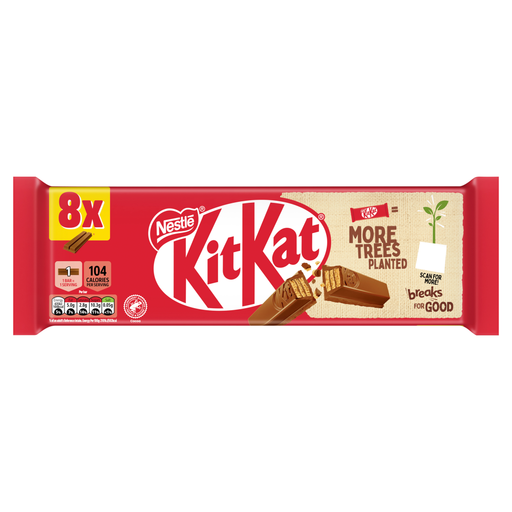
The named 20.7 g portions make it important to use this variant’s own per-bar nutrition, not the figures for a 4 Finger bar. Check the current pack for ingredients and allergens.
 No image available
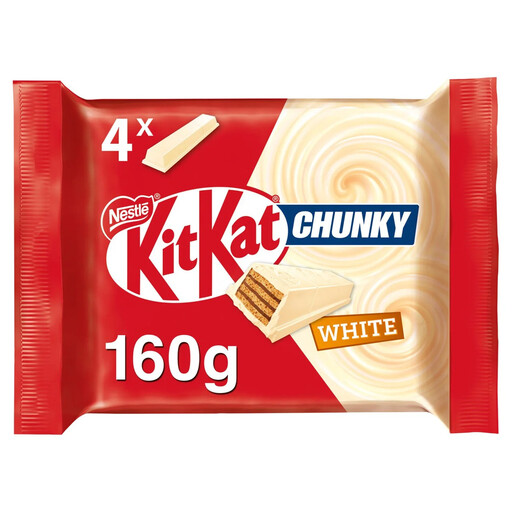
For a snack around a training session, check the nutrition per bar rather than relying on the 160 g pack weight. Compare carbohydrate and fat for the portion you intend to eat.
 No image available
This is a pack of chocolate-coated caramel wafers rather than a single-unit retail bar. Check the nutrition and allergens for one wafer if you plan to carry one as a snack.
 No image available
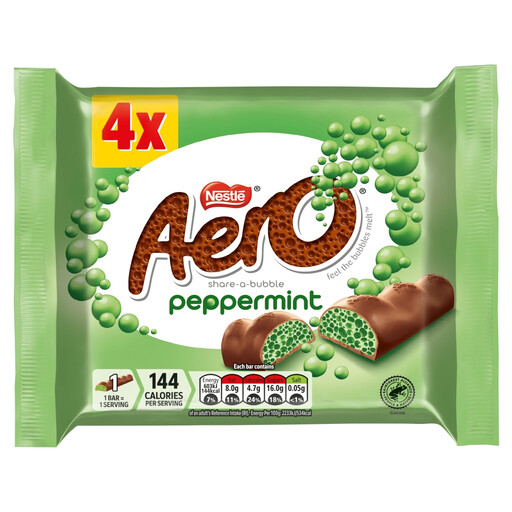
The 108 g figure describes the four-bar pack. Read the current per-bar nutrition and allergen information before deciding whether one portion fits your training-day snack plans.
 No image available
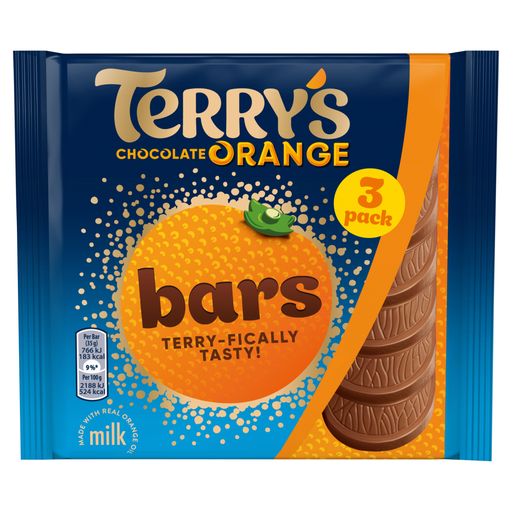
Compare nutrition for an individual bar, not the three-pack total, if considering one as an occasional snack. Check the exact pack’s ingredients and allergen statement.
Not as the whole plan. The standard bars described by their manufacturers here contain 23–28 g carbohydrate each, while World Athletics lists 30–60 g per hour for exercise lasting 1–2.5 hours and up to 90 g per hour for events longer than 2.5 hours. Plan for the session’s duration using foods and fluids you have practised with.
A familiar bar may be an occasional snack before or after a session, rather than the basis of an in-run plan. For a snack 60–90 minutes before exercise, University College London Hospitals NHS Foundation Trust advises carbohydrate and protein with minimal fat; check the bar’s portion and nutrition and whether you tolerate it.
Among the manufacturer-declared standard single bars discussed here, Mars Caramel & Milk Chocolate Bar 40g lists 28 g carbohydrate. KitKat 4 Finger Milk lists 26.1 g per 41.5 g bar, while Snickers 40g and Galaxy Milk 42g each list 23 g. These are different portions, so check the current pack before comparing or planning intake.
Yes—check the exact variant and current pack. Ingredients differ between peanut, wafer and plain-chocolate bars, and a change in portion or product name does not establish that the allergen statement is the same.