Older adults wanting a small treat
An individually portioned bar can accompany a cup of tea without opening a larger sharing bar. The choice still depends on the size and texture the person wants.


For a small, standalone tea-time bar, KitKat 2 Finger Milk Chocolate is a 20.7g option if the person enjoys crisp wafer and can eat its ingredients. If smooth chocolate would be more comfortable, Cadbury Dairy Milk Little Bars provide 18g individual pieces, though they are sold in a multipack. Check the current pack for allergens and consider the recipient’s eating needs before choosing either format.
An individually portioned bar can accompany a cup of tea without opening a larger sharing bar. The choice still depends on the size and texture the person wants.
Check the recipient’s preferences, eating comfort and ingredient requirements rather than relying on a familiar brand name.
A chocolate bar may be part of afternoon tea, but consider what else the snack needs to provide. The British Nutrition Foundation’s 2021 guidance discusses chocolate as one high-energy food example for older adults with reduced appetite, not as a complete snack.
Start with the portion and texture the person would welcome, then check the exact pack for ingredients and nutrition information.
| Priority | What to check | When it matters to me |
|---|---|---|
| Portion size | Compare the weight of one piece, the number of pieces in the pack and the nutrition figures per bar. Nestlé lists KitKat 2 Finger at 20.7g and 104kcal; Galaxy lists its 42g bar at 229kcal. | I want one modest treat with tea, rather than a larger bar or an open sharing pack. |
| Texture | KitKat 2 Finger has crisp wafer. Cadbury describes its 18g Dairy Milk Little Bar as smooth milk chocolate; it is sold in a multipack. Neither description establishes whether a bar is suitable for someone with eating difficulties. | A crisp wafer appeals to me, or I would rather offer a smooth piece that avoids wafer and nut textures. |
| Ingredients | Read the current pack’s ingredients and allergen statements. The described KitKat contains wheat and milk; Snickers lists peanuts and egg white powder and may contain other nuts. | Someone eating the bar has an allergy, intolerance or ingredient they need to avoid. |
| Role of the snack | Check the per-bar sugars figure as well as the serving size. The NHS advises keeping the frequency and amount of sugary foods and drinks as low as possible. For reduced appetite, the British Nutrition Foundation’s 2021 guidance places chocolate among high-energy food examples within a wider choice of snacks. | I’m choosing a sweet treat, or I need to think more broadly about what afternoon tea provides. |
A bar is not a standard serving size: Nestlé lists KitKat 2 Finger at 20.7g and 104kcal, while Galaxy lists its 42g milk-chocolate bar at 229kcal.
Compare the weight and nutrition information for one bar, not just the figures per 100g. An individually wrapped mini bar may be worth considering if a smaller piece is the aim.
KitKat’s wafer is crisp and contains wheat and milk. Snickers contains peanuts and carries a may-contain-other-nuts statement. Neither format suits every recipient.
Ask about eating comfort and ingredient requirements, then read the current pack before serving.
Chocolate can contribute energy, but that alone does not establish that it meets someone’s wider nutritional needs. The British Nutrition Foundation’s 2021 guidance discusses a range of foods for older adults with reduced appetite.
If afternoon tea is intended to help someone eat more when appetite is reduced, consider the whole snack rather than selecting the chocolate bar in isolation.
The 2 Finger Milk Chocolate bar offers a defined 20.7g wafer-and-chocolate portion.
Cadbury describes each Dairy Milk Little Bar as an 18g piece of smooth milk chocolate; the referenced product is a 10-pack.
Galaxy describes its 42g Milk Chocolate Bar as smooth milk chocolate in a standard-size single bar.
The 40g bar combines peanuts with caramel and nougat rather than offering a plain chocolate or wafer format.
Mars Fun Size bars are individually wrapped 18g pieces sold in a multipack, rather than a standalone single-bar format.
These multipacks offer individual bars for afternoon tea: one has crisp wafer, while the other offers smooth milk chocolate. Choose according to the recipient’s preferred texture and the current pack information.
 No image available
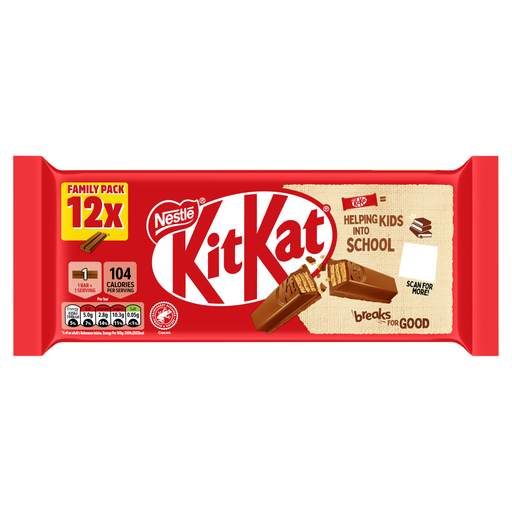
Individually portioned two-finger bars for someone who enjoys a crisp wafer with tea. Each bar is listed as 20.7g; check that the wafer texture and the wheat and milk ingredients suit the recipient. Read the current pack before relying on an exact sugars figure.
 No image available
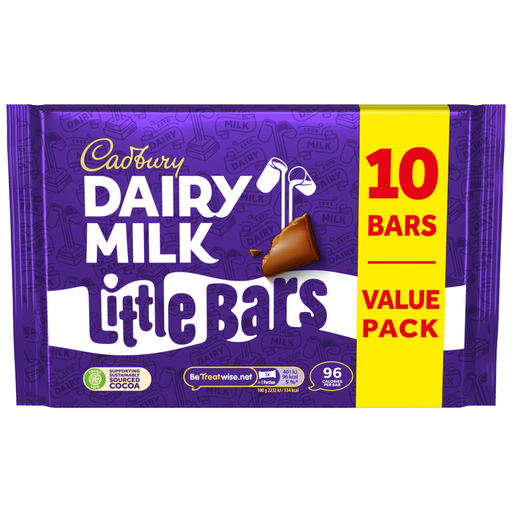
Smooth milk-chocolate mini bars are an alternative when crisp wafer is not wanted. Cadbury describes each bar in this 180g pack as 18g. Check the current pack for per-bar nutrition and allergen statements, including the listed precautions concerning nuts and wheat.
KitKat 2 Finger Milk Chocolate is a 20.7g standalone-bar format if crisp wafer, wheat and milk suit the person eating it. Nestlé lists 104kcal per bar; for comparison, Galaxy lists 229kcal for its larger 42g Milk Chocolate Bar. If smooth texture matters more, Cadbury’s 18g Dairy Milk Little Bars are individual pieces sold in a multipack.
Choose according to the person’s preference and eating comfort: KitKat 2 Finger has crisp wafer, while Cadbury describes its Dairy Milk Little Bars as smooth milk chocolate. Do not assume either is suitable for someone with swallowing difficulty or a texture-modified diet; follow the advice given for that person.
Check the exact current pack. The described KitKat 2 Finger contains wheat and milk; the Snickers 40g bar lists peanuts and egg white powder and may contain other nuts. Ingredient and precautionary statements matter more than brand familiarity when buying for someone with an allergy.
Chocolate is one of the high-energy food examples in the British Nutrition Foundation’s 2021 guidance for older adults with reduced appetite. That does not make a bar a complete snack or settle what is appropriate for an individual; consider the wider food choices and any advice they have been given.
Treat it as an occasional sweet rather than an automatic part of every afternoon tea. The NHS advises keeping the frequency and amount of sugary foods and drinks as low as possible. Compare the size of the bar and its nutrition label when deciding what to serve.