Chocolate lovers training soon after a snack
If you want a square or two before a short or light session, consider the portion you will actually eat without treating a chocolate bar as dedicated exercise fuel.


Choose high-cocoa dark chocolate if you want a small chocolate treat with less sugar than the white chocolate examined here, not because it is exercise fuel: Lindt lists 22g carbohydrate and 46g fat per 100g for its Excellence 85% bar. Waitrose lists more carbohydrate for its Belgian White Chocolate, but also 62.6g sugars and 30.2g fat per 100g. If carbohydrate intake matters for a longer session, consider a carbohydrate-focused snack you tolerate rather than relying on either chocolate type as your main fuel.
How soon you plan to train, and whether you need a snack or simply want chocolate, changes what is useful to compare.
If you want a square or two before a short or light session, consider the portion you will actually eat without treating a chocolate bar as dedicated exercise fuel.
If dependable carbohydrate intake is the aim, compare chocolate with a carbohydrate-focused snack you know you tolerate. Research published in Nutrients in 2014 found that pre-exercise carbohydrate feeding has generally improved endurance performance, but that does not establish either chocolate type as the right choice.
Compare the exact bar’s ingredients and allergen statement as well as its cocoa percentage. A vegan-recipe description does not, by itself, establish suitability for a milk allergy.
Start with the portion you would eat and your reason for eating it; then compare carbohydrate, sugars, fat and the current pack label.
| Priority | What to check | Your needs |
|---|---|---|
| Carbohydrate | Check carbohydrate for your intended portion, not just per 100g. Consider how the snack fits the timing and demands of your session. | For a longer workout, I want to know whether the portion supplies enough carbohydrate for my plan, rather than choosing by cocoa percentage. |
| Chocolate preference | Compare sugars and fat on the same per-100g basis, then check the portion. Lindt lists 15g sugars per 100g for Excellence 85%; Waitrose lists 62.6g for its Belgian White Chocolate. | I may prefer a less-sugary dark bar or the flavour of white chocolate. Neither preference establishes which will suit my workout. |
| Portion and timing | Check the amount you expect to eat and its labelled carbohydrate and fat. Allow for your own experience of eating before exercise. | A small piece might be all I want as a treat; if I need carbohydrate for training, I should assess the actual portion. |
| Allergens | Read the current ingredients, allergen statement and any may-contain warning on the exact pack. Check dietary claims alongside them. | If I need to avoid an ingredient, a dark colour, high cocoa percentage or vegan-recipe claim cannot replace the pack’s allergen information. |
Lindt lists 22g carbohydrate and 46g fat per 100g for Excellence 85%. Its cocoa percentage does not tell you how much carbohydrate your chosen portion will supply.
Use cocoa percentage to help choose a chocolate flavour, then check the nutrition panel separately if pre-exercise carbohydrate matters.
Waitrose lists 63.1g carbohydrate per 100g for its Belgian White Chocolate, alongside 62.6g sugars and 30.2g fat. A higher carbohydrate figure alone does not establish that it will suit your timing or preference.
Compare the portion you would eat with other snack options instead of assuming the white bar is the better workout choice.
Lindt describes its Excellence 85% bar as made to a vegan recipe but says it is not suitable for people with a milk allergy.
For an allergy, check the current pack’s ingredient and allergen statements, including may-contain warnings.
These examples show why the exact bar matters more than a brand-wide assumption; compare current packs before buying.
Excellence 85% is a high-cocoa dark option with 85% minimum cocoa solids, according to Lindt’s UK product information.
The examined Collection dark bar states 85% minimum cocoa solids.
Waitrose Belgian White Chocolate provides a white-chocolate reference for comparison with the high-cocoa dark bars.
Bournville Classic is a dark chocolate option in Cadbury’s UK range.
Galaxy Smooth Milk is a milk-chocolate comparison, not a high-cocoa dark option.
These options include dark and white chocolate, plus a white-chocolate snack format. Compare the exact portion and pack label if you are choosing something to eat before exercise.
 No image available
A high-cocoa dark choice if you want chocolate rather than a carbohydrate-focused snack. Lindt states 85% minimum cocoa solids and lists 22g carbohydrate, 15g sugars and 46g fat per 100g; check the portion you intend to eat and the current allergen statement.
 No image available
A 72% cocoa dark-chocolate option for comparing with the 85% bar. Check the current pack’s nutrition values for the portion you would eat before exercise.
 No image available
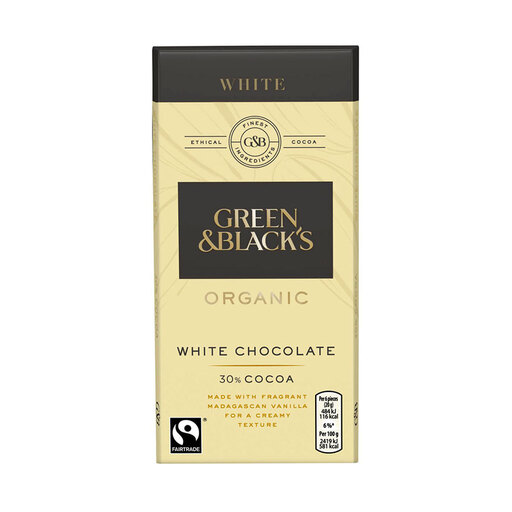
A white-chocolate option if flavour is your reason for choosing chocolate. Compare carbohydrate, sugars and fat for the amount you plan to eat rather than assuming white chocolate is more suitable before exercise.
 No image available
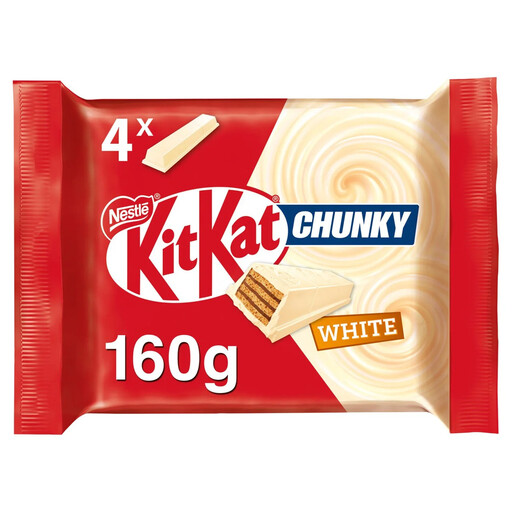
A four-bar white-chocolate snack format rather than a plain white chocolate bar. Use the current pack’s per-bar nutrition and ingredient information when comparing it with plain chocolate.
 No image available
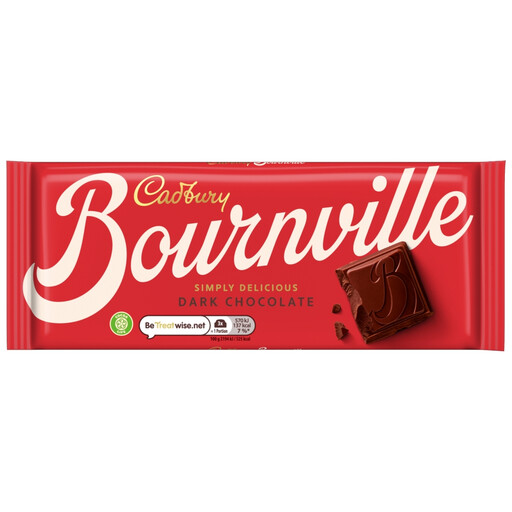
A Bournville option for shoppers considering dark chocolate. Check this pack’s cocoa percentage and portion-level nutrition rather than assuming it matches the examined 85% cocoa bars.
Not automatically. Lindt’s Excellence 85% has less sugar but also less carbohydrate than the examined Waitrose Belgian White Chocolate on a per-100g basis. Choose according to the chocolate you want and the portion you will eat; if carbohydrate is the main aim, consider a carbohydrate-focused snack instead.
Do not assume it will. A systematic review and meta-analysis published in Sports Medicine in 2017 found no significant pooled performance effect for low- versus high-glycaemic-index pre-exercise meals. That result does not establish a performance benefit for a particular chocolate bar.
Read the current label of the exact bar. Lindt says its Excellence 85% may contain nuts, milk, soya and sesame; the examined Waitrose white bar contains milk and may contain nuts. A vegan-recipe claim does not replace an allergen statement.
No. Department of Health and Social Care guidance describes promotion restrictions for in-scope products sold by businesses operating in and selling to England, not a general ban on consumer purchases. Whether a particular bar falls within those HFSS rules requires a product-specific assessment; its chocolate label alone does not settle that classification.