Hosts serving a shared tea
If guests will choose biscuits from a plate, a packet of chocolate digestives fits that serving plan. Work out how many biscuits you want to put out rather than treating the packet’s weight as a portion count.


Choose a pack of individually wrapped bars if guests will each take a biscuit away; choose chocolate digestives if they will help themselves from a shared plate. Count the portions you intend to serve before choosing a pack, and check the exact product label when guests need to avoid particular ingredients. An ordinary packet of digestives is not itself a multipack.
If guests will choose biscuits from a plate, a packet of chocolate digestives fits that serving plan. Work out how many biscuits you want to put out rather than treating the packet’s weight as a portion count.
If each guest will take a biscuit away, count the bars in the outer pack and check whether the exact product is individually wrapped. Keep its ingredient and allergen information available for guests who need it.
Choose when: You want to hand out a packaged portion to each guest or set some aside to take home.
Bear in mind: The wrappers add packaging, and pack counts and ingredients differ between products.
Choose when: Guests will sit down to tea and select biscuits from a shared plate.
Bear in mind: An ordinary packet does not give you individually wrapped portions or, by itself, a multipack.
Once you have chosen how to serve the biscuits, check the portion count and the exact flavour and label.
| Priority | What to check | Your needs |
|---|---|---|
| Portions | For bars, check the number in the outer pack and the weight of each bar. For a packet served on a plate, check the biscuit count if one is stated; weight alone is not a serving count. | I want enough biscuits for the guests I plan to serve, with any take-home portions counted separately. |
| Serving style | Check whether the product is a packet for sharing, a labelled multipack or a pack of individually wrapped bars. Check the exact variant when choosing between original, orange or caramel flavours. | A shared plate suits my sit-down tea, but I would choose packaged portions if guests are taking biscuits away. |
| Ingredients | Read the ingredients, emphasised allergens and any relevant precautionary information on the actual pack. Keep the outer packaging available if you separate individual bars. | Guests need to be able to check the exact biscuit offered to them; a similar flavour from another product will not answer that question. |
| Pack details | Compare the labelled count and weight of the exact variants you are considering. Check storage directions if biscuits will be kept after the gathering. | I would rather choose a pack that matches the portions and leftovers I have planned than assume a larger packet contains more individual servings. |
A heavier packet, a seven-bar pack and a fourteen-bar pack answer different portion plans. Weight does not tell you how many separately packaged servings you can hand out.
Count the bars if guests will receive one each. For a shared plate, check the biscuit count where stated or plan the amount you will put out.
A digestive, a Penguin bar and a caramel wafer are different products. The ingredient information for one flavour or pack cannot establish what is in another.
Choose the serving format, then check the current label of each exact product you intend to offer.
These brand references help distinguish wrapped bars from biscuits for a shared plate; they are not a ranking of the brands’ full ranges.
Penguin and Club biscuit bars provide a different serving format from McVitie's chocolate digestives.
Rocky Original bars are an option when the serving plan calls for countable biscuit bars.
Its own-label milk chocolate digestives offer a packet format for a shared biscuit plate.
Its milk chocolate digestives are another packet-format option to consider for a shared plate.
Its milk chocolate digestives are relevant when guests will choose biscuits from a shared plate.
These wafer and biscuit-bar multipacks are options for planning countable portions at afternoon tea. If you need a packaged portion for each guest, check the wrapping on the exact pack; these products do not represent the shared-plate digestive option.
 No image available
The eight-pack gives you a count to check against your guest list. Confirm the wrapping and the ingredients on the pack if guests will take individual wafers away.
 No image available
The 14-bar count is useful to check when planning one bar per guest or setting some aside. This pack is labelled 344.4 g; check its current coating description, wrapping and ingredient label before serving.
 No image available
This five-biscuit pack is one to consider when the planned portion count is small. Each biscuit is labelled 20.7 g; check the actual pack’s wrapping and allergen information, particularly when hazelnut is relevant to a guest.
 No image available
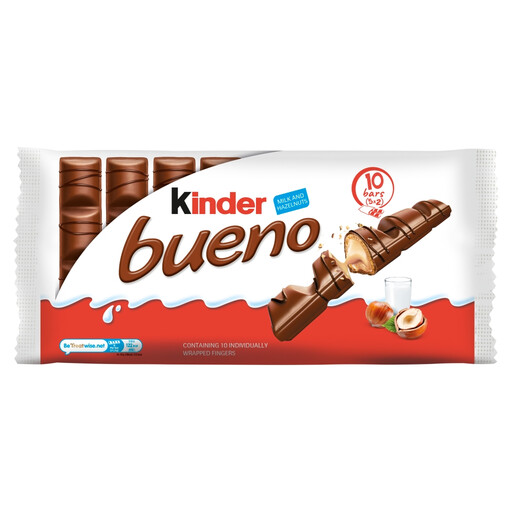
The ten-bar count lets you compare the pack with the portions planned for your gathering. The pack is labelled 215 g; check its wrapping and current ingredient information before offering bars to guests.
 No image available
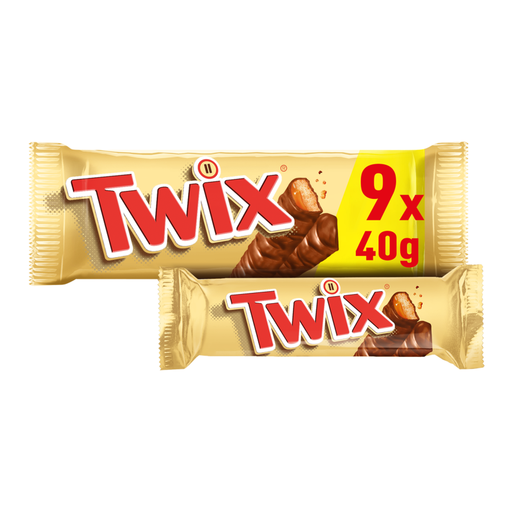
The nine-pack gives you a bar count for planning portions. Each twin snack bar is labelled 40 g; check the exact pack’s wrapping and ingredients if you intend to hand bars out or offer them to guests with allergies.
Start with the number of biscuits you intend to offer each guest, then compare that total with the labelled bar count for a wrapped product. For digestives served from a packet, check the biscuit count if it is stated or plan the amount you will put on the plate; packet weight is not a guaranteed serving count.
The listed bars and digestives can be served without preparation. Follow the storage directions on the particular pack, including any instructions for biscuits left after opening.
Check the ingredients and allergen information on the actual product you will serve. Similar-looking biscuits and different flavours can have different ingredients, so one product’s list cannot establish what is in another.