Long-run snack planners
You want to place a familiar biscuit in your training-day food plan without assuming it will cover everything you need during a long run.


A chocolate-biscuit multipack can be a portioned snack around training if you enjoy biscuits, but one bar is not a complete long-run fuelling plan. If you intend to eat while running, compare carbohydrate per portion and consider whether you can carry and eat the food comfortably; also check the fat content, ingredients and wrapping before choosing a format.
You want to place a familiar biscuit in your training-day food plan without assuming it will cover everything you need during a long run.
You are deciding between bars to take out and a larger pack for home, so the portion you will actually eat matters more than the pack count alone.
You need to check the ingredients and allergen information for the exact biscuit and variant you intend to buy.
Start with when you plan to eat the biscuit, then compare the stated portion and the practical pack format.
Consider when: you want a counted snack for a training-day bag or for eating away from the run.
Bear in mind: carbohydrate and fat figures on a bar label do not establish how comfortable it will be to eat while running.
Consider when: you want biscuits at home and have no need for a ready-to-carry portion.
Bear in mind: a larger pack or twin pack does not necessarily divide the biscuits into individually wrapped portions.
Consider when: a biscuit is awkward to carry or eat while moving.
Bear in mind: the Australian Institute of Sport describes sports confectionery as a concentrated carbohydrate source, but the food you choose still needs to suit how you eat and drink during training.
| Priority | What to check | When it matters to me |
|---|---|---|
| Carbohydrate per portion | Compare the portion you will eat, not just pack count. McVitie's states 15.7 g carbohydrate per Penguin Original bar and 13.9 g per Club Orange biscuit; Sainsbury's lists 16.4 g per 25 g Rocky Stack'd bar. These figures describe those specific products, not a complete fuelling plan. | I am considering a biscuit for a longer session and need to know what one portion contributes. University College London Hospitals NHS Foundation Trust says snacks may be needed for activities lasting longer than 60 minutes. |
| Portion and wrapping | Check the number and size of servings and whether each is wrapped. Sainsbury's describes the five Rocky Stack'd bars as individually wrapped; its own-label milk-chocolate digestives are listed as a 300 g pack. | A separate portion would be useful in my bag; if the biscuits will stay at home, I can compare the serving I expect to eat instead. |
| Eating around a run | Read both carbohydrate and fat per bar. McVitie's states 6.7 g fat for Penguin Original and 5.9 g for Club Orange. A nutrition label does not tell you whether a biscuit will be comfortable to eat while moving. | If I plan to eat during a run, I need something I can carry, consume and tolerate, rather than choosing by its chocolate coating. |
| Ingredients and allergens | Check the exact variant and its physical pack. UK food-labelling guidance from the Department for Environment, Food & Rural Affairs and Food Standards Agency includes ingredient and allergen information; Sainsbury's Rocky Stack'd listing also gives a nut-and-peanut precaution. | An ingredient could rule out a particular recipe for me, so a similar-looking bar or a different flavour is not enough to check against. |
McVitie's Penguin Original and Club Orange, and Sainsbury's Rocky Stack'd, have different stated carbohydrate amounts per bar or biscuit. The number in a pack does not describe what one serving contributes.
Read the carbohydrate figure for the exact portion you expect to eat, then consider when you intend to eat it.
A twin pack divides a purchase into packs; it does not, by itself, tell you how the biscuits inside are wrapped.
Check the individual wrapping if you need to carry a portion. If the biscuits will stay at home, compare the pack's stated serving instead.
Sainsbury's figures for five-bar Rocky Stack'd describe that product, not every Rocky format or flavour.
Match the full name and pack size before using a nutrition figure, and check the ingredients on the variant you buy.
McVitie's makes several relevant biscuit lines, including Penguin, Club and chocolate digestives; their recipes should be compared separately.
Penguin is a McVitie's coated sandwich-biscuit line; Penguin Original is the specific example compared here.
Club is a McVitie's coated biscuit-bar line; Club Orange is the example used for an orange-flavoured portion.
The five-bar Rocky Stack'd Chocolate Cream Flavour pack is a separately portioned option.
Its own-label milk-chocolate digestives provide a larger home-pack comparison, rather than an example of a wrapped-bar multipack.
These packs offer counted biscuit or wafer portions to consider as snacks around training. Check each pack's serving information and wrapping if you intend to take a portion on a run.
 Image unavailable
The eight-wafer pack gives you counted portions for snacks around training. Check how the wafers are wrapped and read this pack's per-portion label before deciding what to carry.
 Image unavailable
The 14-bar format gives you counted portions for training-day snacks. Check whether each bar is wrapped and use this pack's own nutrition label rather than figures for the seven-bar Penguin Original pack.
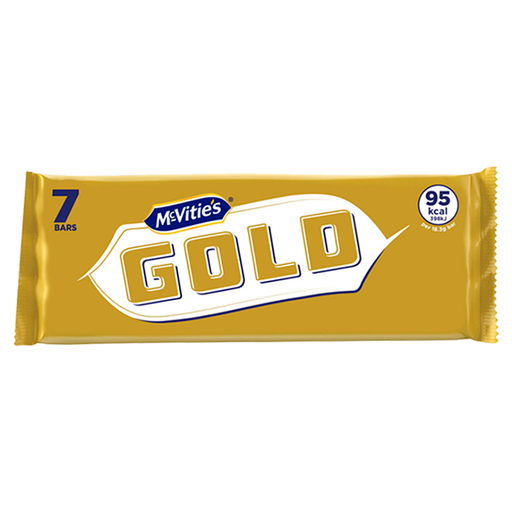 Image unavailable
This seven-bar, 128.4 g pack is a caramel-flavoured coated-biscuit option for a training-day snack. Check its per-bar nutrition and whether the bars are separately wrapped before carrying one.
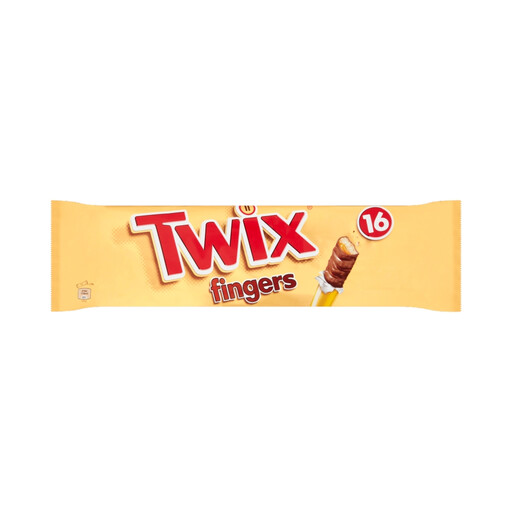 Image unavailable
Each of the 16 biscuits is listed as 20 g, which gives you a portion size to compare with other packs. Confirm how they are wrapped and check the stated serving on the nutrition label.
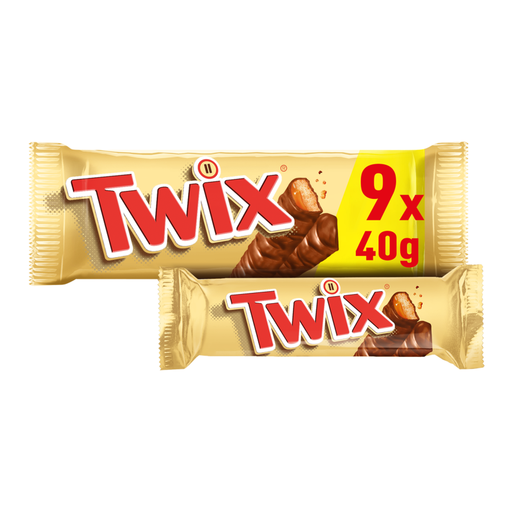 Image unavailable
The pack contains nine 40 g twin bars. Decide whether you would eat one finger or a whole twin bar, then check which portion the nutrition label describes.
Do not treat one bar as a complete long-run fuelling plan. McVitie's and Sainsbury's state different carbohydrate amounts for the specific bars compared above, while University College London Hospitals NHS Foundation Trust says snacks may be needed for activity lasting longer than 60 minutes. What you need to carry depends on the session and your own plan.
Check the portion, wrapping and whether you can eat it comfortably while moving. Try your chosen approach during training rather than relying on an unfamiliar snack for an important event; a biscuit label alone cannot establish during-run tolerance.
Follow the storage directions and check the date on the particular pack. If you plan to use it over several sessions, consider how you will keep track of the portions left and whether any need to be carried separately.
Check the exact pack's ingredients, allergens, net quantity and date information. UK guidance from the Department for Environment, Food & Rural Affairs and Food Standards Agency identifies these as food-labelling information; a listing for another flavour or pack size is not a substitute.
Use the ingredients and allergen information on the pack you received when deciding whether the product is suitable. If the difference leaves you uncertain, ask the seller or manufacturer for clarification before eating it rather than relying on a similar product's listing.