Hosts planning a small afternoon tea
Choose a format that is straightforward to serve, then check the pack’s per-biscuit nutrition and allergens before guests arrive.


For a shared tea plate, half-coated biscuits make individual servings easy to count; choose wrapped bars when handing each guest a separate portion matters, or a mixed carton when guests want variety and you can check each biscuit type. Compare the current packs’ nutrition per biscuit and allergen labels before serving. If a guest follows a prescribed texture-modified diet, follow their care advice rather than assuming an ordinary biscuit is suitable.
Choose a format that is straightforward to serve, then check the pack’s per-biscuit nutrition and allergens before guests arrive.
Individually wrapped biscuit bars can be easier to hand out than biscuits from a shared packet. Check the exact multipack’s flavour, ingredients and serving information.
Check the current ingredient and allergen label against the guest’s requirements. For someone following a prescribed easy-to-chew or swallowing plan, follow their care advice before offering a biscuit; NHS texture guidance identifies dry, crunchy biscuits as unsuitable for some prescribed diets.
Start with how the biscuits will be served, then compare the exact packs for portion information, ingredients and texture.
| Priority | What to check | Your needs |
|---|---|---|
| Serving size | Compare energy, sugars and saturated fat per biscuit or stated portion, as well as biscuit size. Tesco Groceries lists 83 kcal, 5.4 g sugars and 2.0 g saturates per 17 g Milk Chocolate Digestive; Sainsbury’s Groceries lists 57 kcal and 3.0 g sugars per Milk Chocolate Nice biscuit. | I want to decide how many biscuits to put on each plate without treating different-sized biscuits as equivalent. |
| Pack format | Check whether guests need separate wrapped servings, a single biscuit type or a selection. Tesco Groceries lists Penguin Original bars in a 7 × 24.6 g individually wrapped pack; Sainsbury’s Groceries describes 11 varieties in its mixed chocolate-biscuit carton. | Separate portions would simplify handing biscuits around; for a shared plate, I may prefer one variety that is easy to identify. |
| Allergens | Read the current ingredients, emphasised allergens and any relevant ‘may contain’ statement. For a mixed carton, identify the particular biscuit before serving it. | If a guest has an allergy, I need to check the biscuit they will actually receive, not rely on the carton name. |
| Texture | Check whether the biscuit is dry, crunchy or crumbly, and follow any prescribed food-texture instructions. NHS guidance for certain swallowing diets excludes dry biscuits. | For a guest with a chewing or swallowing plan, I need an option that follows their individual advice rather than assuming a biscuit is suitable. |
Per-biscuit values differ between products and depend on the biscuit’s size and recipe. For example, Sainsbury’s Groceries lists 57 kcal and 3.0 g sugars per Milk Chocolate Nice biscuit, while Tesco Groceries lists 83 kcal and 5.4 g sugars per 17 g Milk Chocolate Digestive.
Decide how many biscuits to offer, then use each exact pack’s per-biscuit or per-portion figures for the comparison.
NHS easy-to-chew guidance describes soft, tender foods, and NHS swallowing guidance excludes dry, crispy or crumbly biscuits for a specified texture level.
Ask discreetly about any prescribed food-texture requirements and use an approved alternative where an ordinary biscuit does not fit the guest’s plan.
Different varieties may have different ingredients or precautionary allergen statements. The carton’s name does not establish that every biscuit suits a guest with an allergy.
Keep the packaging available and check the label for the particular variety before offering it.
Ingredients and allergen information can change, which matters when serving someone with an allergy or dietary restriction.
Check the physical pack’s current ingredients, allergen declaration, date and storage instructions before serving.
These examples show different biscuit formats; check the exact product and pack rather than applying one product’s details to a whole brand.
McVitie’s includes chocolate Digestives and the Penguin and Club biscuit-bar ranges.
Fox’s has chocolate-coated biscuits, including Chocolatey Milk Chocolate Rounds.
Tesco’s own-brand Milk Chocolate Digestive is a half-coated option for a single-variety tea plate.
Sainsbury’s lists both half-coated Milk Chocolate Nice Biscuits and a mixed carton of chocolate-coated varieties.
These options include chocolate Digestives, a chocolate-topped biscuit, a chocolate-dipped Viennese biscuit and a biscuit-bar multipack. Choose by the serving format you need, then check the current pack for nutrition, allergens and texture.
 No image available
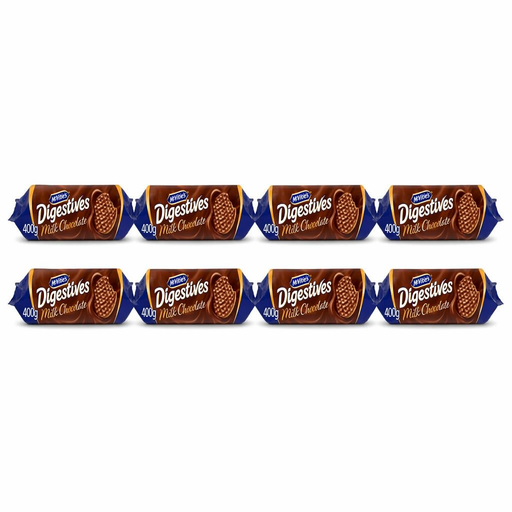
A milk-chocolate Digestive for a shared tea plate. Check this pack’s per-biscuit figures and allergens, and confirm its texture is suitable for the guests being served.
 No image available
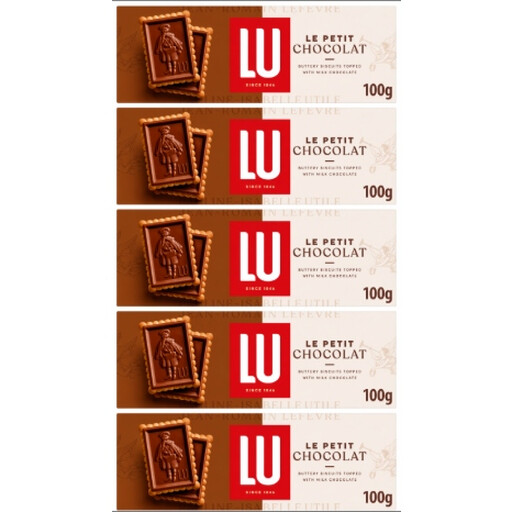
A chocolate-biscuit option for the shared plate. Check what the stated serving represents before comparing its nutrition with other biscuits, and read the current allergen label.
 No image available
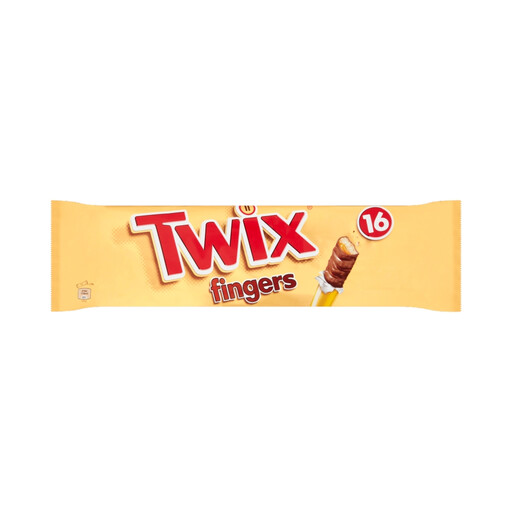
The 16-pack format is worth considering when handing out separate servings. Check whether the pack has individual wrappers, and read its current ingredients and texture information before serving.
 No image available
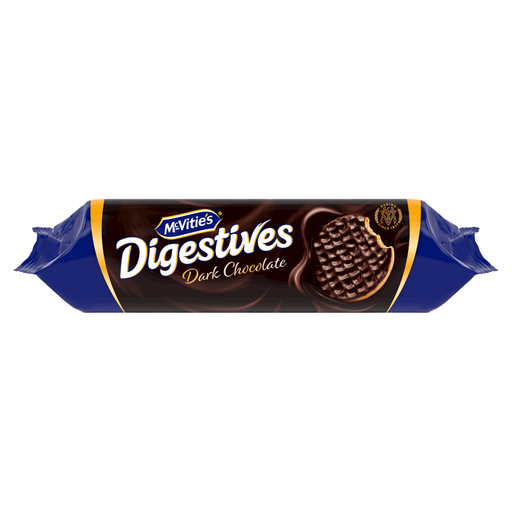
A dark-chocolate Digestive for guests who prefer that coating. Compare its own per-biscuit nutrition with milk-chocolate options rather than judging by the coating name, and check the current allergen label.
 No image available
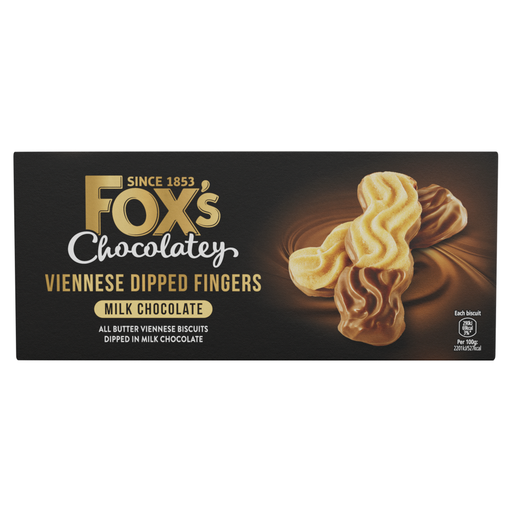
A milk-chocolate Viennese biscuit for a plate with more than one style. Check its per-biscuit information and allergens on the pack; a crumbly biscuit should not be assumed suitable for a prescribed texture-modified diet.
No: age alone is not the deciding factor, but an ordinary dry or crunchy biscuit may not fit a guest’s prescribed swallowing or texture-modified diet. Follow their individual care advice and offer an approved alternative where needed; NHS texture guidance excludes dry biscuits for certain diets.
Compare the exact packs’ energy, sugars and saturated fat per biscuit or stated portion, taking serving size into account. If a pack has UK traffic-light labelling, GOV.UK explains that it indicates whether listed nutrients are high, medium or low; check the underlying values when comparing different-sized biscuits.
Yes. Check the current ingredients, emphasised allergens and any relevant ‘may contain’ statement, including for each type in a mixed carton. The Food Standards Agency explains that ‘may contain’ labelling communicates possible unintended allergen presence.
No. Coating type alone does not tell you the biscuit’s energy, sugars or saturated fat per serving. Compare the exact pack labels and the portion you plan to offer; different biscuit bases and serving sizes can affect the comparison.
Follow that pack’s storage instructions. For example, Tesco Groceries says its Milk Chocolate Digestive Biscuits should be kept in a cool, dry place and stored in an airtight container once opened.