Hosts dividing snacks between players
A stated bar count helps you plan one per person. For example, Tesco lists 14 bars in its Penguin Original pack, while Sainsbury’s lists five individually wrapped bars in the Fox’s Rocky Stack’d pack.


Choose counted bars if you want to plan one portion per player; choose a packet of chocolate digestives if guests will help themselves from a plate. Compare the count or serving information on the particular pack rather than relying on “family pack”, and check its current allergen label before serving.
A stated bar count helps you plan one per person. For example, Tesco lists 14 bars in its Penguin Original pack, while Sainsbury’s lists five individually wrapped bars in the Fox’s Rocky Stack’d pack.
A packet of digestives lets guests help themselves. Check its own serving information and how to store what remains; Tesco and Sainsbury’s both direct shoppers to put their opened digestives in an airtight container.
Find out which allergens matter to your guests, then read the ingredients and precautionary statements on the exact packs you intend to serve. Product names alone are not enough for that decision.
Choose when: You want to allocate a bar to each player before the game starts.
Trade-off: Counts vary by product, so compare the pack with your group size rather than treating every multipack alike.
Choose when: Guests will take chocolate digestives from a plate instead of receiving allocated bars.
Trade-off: Follow the packet’s directions for storing any biscuits left after opening.
| Priority | What to check | Your needs |
|---|---|---|
| Portions | Compare the stated bar count with your player count. For a shared packet, use that product’s serving information where given; packet weight is not a biscuit count. | I want enough portions for the group without assuming that every “family pack” contains the same amount. |
| Serving and storage | Decide between handing out bars and opening a sharing packet. Read storage directions for leftovers and the date on the pack if buying ahead. | Guests may be eating while they play, and I need a way to store anything left over. |
| Flavour and type | Check whether the pack contains digestives, biscuit bars or wafers, and read the flavour description. Tesco lists seven bars in its Club Mint pack; that count applies to that pack. | I’d like to choose a biscuit type and flavour the group actually wants, rather than assuming all chocolate-coated options are alike. |
| Allergens | Read the current ingredients and precautionary statements on each exact pack. Sainsbury’s flags an oat-allergy caution for its milk-chocolate digestives and possible nuts and peanuts cross-contact for Fox’s Rocky Stack’d. | If a guest has an allergy, I need to check the particular product before putting it out. |
Ingredients and precautionary warnings are product-specific. Sainsbury’s lists an oat-allergy caution for its own-label digestives and a possible nuts and peanuts cross-contact warning for Fox’s Rocky Stack’d.
Ask guests about relevant allergens and check the current pack before serving. GOV.UK guidance says regulated allergens in prepacked food must be clearly identified in the ingredients list.
Tesco’s listed Penguin Original and Club Mint packs contain 14 and seven bars respectively; Sainsbury’s Rocky Stack’d pack contains five. The same format name does not mean the same count.
Plan how many portions you will offer, then compare that number with the stated count. For loose biscuits, use serving information for the particular packet where it is provided.
These examples show different pack formats and flavours; a brand name does not make its products interchangeable.
McVitie’s includes Digestives, Penguin and Club among its product lines, according to its product range.
Penguin is a McVitie’s biscuit-bar line. Tesco’s Penguin Original listing specifies 14 × 24.6 g.
Club is a McVitie’s biscuit-bar line; Tesco lists Club Mint as seven 22 g bars with mint-flavoured cream.
Sainsbury’s lists Fox’s Rocky Stack’d as a five-bar pack with vanilla-flavour cream.
Tesco lists its own-label Milk Chocolate Digestive Biscuits in a 300 g sharing packet.
Sainsbury’s lists its own-label Milk Chocolate Digestives in a 300 g packet described as containing approximately 18 servings.
These Joybuy options are counted packs of chocolate biscuit or wafer bars for hosts considering portions to hand out. Compare each pack count with your group size, and check the current label for allergens.
 No image available
The eight-bar count lets you compare the pack with the number of players. Choose this wafer format if caramel is wanted, and check the current allergen label before serving.
 No image available
This 14-bar, 344.4 g pack gives you a stated count for planning portions. Check the pack’s current ingredients against guests’ allergies.
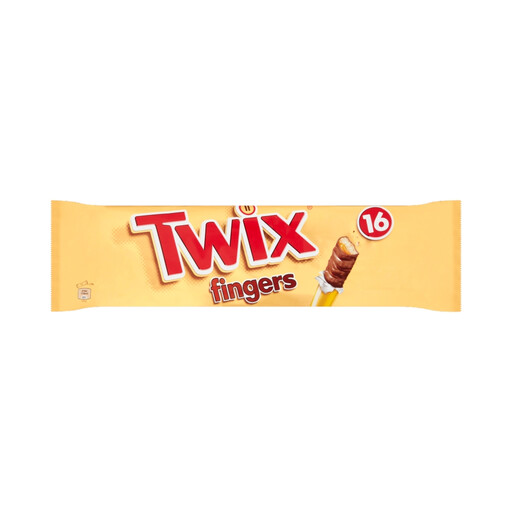 No image available
The 16-count pack provides a stated number of chocolate-and-caramel biscuit bars for portion planning. It is a bar format rather than loose biscuits for a sharing plate; check the allergen label for your guests.
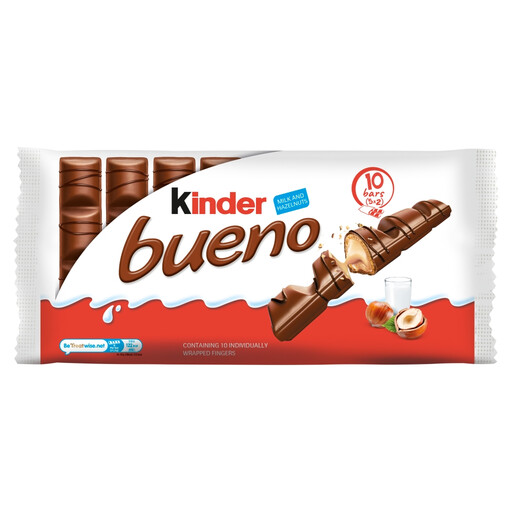 No image available
Ten bars in a 215 g pack give you a count to compare with your guest list. Check the current ingredients and precautionary statements before offering them to anyone with an allergy.
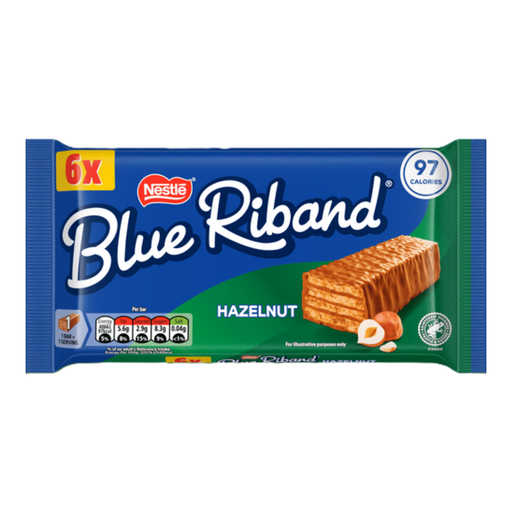 No image available
Six 17.5 g bars make this a counted option to compare with the number of players. Check whether guests want the hazelnut flavour and read the exact pack’s allergen information.
Follow the directions on your pack. Tesco and Sainsbury’s both specify an airtight container after opening for their listed milk-chocolate digestives.
A best-before date concerns quality, not the same safety deadline as a use-by date, according to GOV.UK guidance. Check the date and storage directions on the actual pack; biscuits can become stale.
Read the ingredients and any precautionary statements on the exact pack. GOV.UK guidance says that any of the 14 regulated allergens present as ingredients in UK prepacked food must be clearly identified in the ingredients list; a flavour name or vegetarian label is not an allergy assurance.
For UK purchases, GOV.UK guidance says the seller must offer a full refund if an item is faulty or not as described. That is distinct from changing your mind about a purchase; do not assume the same return rules apply to both situations.