Cheesecake and fridge-cake bakers
If your recipe calls for a pressed biscuit base, you need a pack that provides the stated weight in a crushable format. Good Food’s no-bake chocolate cheesecake, for example, calls for 300g of chocolate digestives.


For a cake or cheesecake base, choose chocolate digestives by the weight your recipe specifies: Good Food’s no-bake chocolate cheesecake uses 300g, which a 300g pack matches, while a larger bag leaves biscuits spare. Milk and dark chocolate digestives offer different flavours; choose filled bars or chocolate-coated shortcake when their filling or texture is an intentional part of the dessert, rather than assuming they will make the same pressed crumb base. Check the current packet’s allergen information before baking for others.
If your recipe calls for a pressed biscuit base, you need a pack that provides the stated weight in a crushable format. Good Food’s no-bake chocolate cheesecake, for example, calls for 300g of chocolate digestives.
Milk or dark chocolate digestives, mint-filled bars and chocolate-coated shortcake bring different flavours and textures. Decide whether the biscuits will form the base or remain as noticeable pieces before swapping formats.
Check the exact packet’s ingredients and precautionary allergen statements. The cited biscuit ranges include products listing milk, wheat or soya, while Tesco Groceries lists a may-contain-nuts statement for Fox’s Chocolatey Milk Chocolate Rounds.
Start with the recipe’s biscuit weight and whether it asks for fine crumbs or pieces. Then choose the chocolate flavour and check the packet for anyone who will eat the bake.
| Priority | What to check | Your needs |
|---|---|---|
| Pack weight | Compare net weight with the recipe quantity. Good Food specifies 300g of chocolate digestives for its no-bake chocolate cheesecake; a larger pack leaves some unused for that recipe. | I want enough biscuits for the base without guessing from the number of biscuits in a bag. |
| Biscuit format | Check whether the recipe calls for crushed digestives or distinct pieces. Good Food’s cheesecake recipes crush chocolate digestives for a pressed base; Penguin and Club products are filled biscuit bars. | For a compact crumb base, I’d choose the biscuit the recipe names. If I want chopped pieces, a filled bar could be part of the intended texture. |
| Flavour | Check whether the pack contains milk or dark chocolate digestives, mint cream, or chocolate-coated shortcake. A flavoured filling will change the finished dessert. | Mint only belongs in my bake if I want it in the final flavour; otherwise I’d choose a chocolate digestive that fits the recipe. |
| Allergen information | Read the current ingredients, highlighted allergens and any precautionary statement on the exact pack. The Food Standards Agency explains that “may contain” labelling communicates possible unintended allergen presence. | When baking for someone with an allergy, I need to check the packet they will actually be served from, not judge suitability by “dark chocolate” or the front-of-pack name. |
Penguin bars have chocolate-flavour cream, while the cited Club bars have mint-flavoured cream. Their fillings and individually wrapped format differ from the chocolate digestives used in Good Food’s pressed cheesecake bases.
If the recipe specifies chocolate digestive crumbs, buy digestives by net weight. Choose bars when you deliberately want their filling or chopped-bar texture.
Tesco Groceries lists Fox’s Chocolatey Milk Chocolate Rounds in a 130g pack. One pack falls short of the 300g of chocolate digestives in Good Food’s no-bake cheesecake recipe.
Compare the biscuit weight in your recipe with the pack’s net weight before buying, especially if you are considering a smaller pack for the whole base.
Reaching at least 300g using 130g packs would take three packs.
A dark chocolate biscuit can still contain allergens. The cited Sainsbury’s dark chocolate digestives include milk, wheat and soya, and Tesco Groceries lists a may-contain-nuts statement for the cited Fox’s rounds.
Check the ingredients and precautionary statements on the exact packet when baking for someone with an allergy.
Ingredients and allergen information can change, so a previously viewed listing is not a substitute for the label on the biscuits being used.
Read the current packet before adding the biscuits to a bake or serving it to others.
Chocolate digestives are a familiar format for recipes that call for crushed chocolate digestive biscuits. Ocado lists McVitie’s Milk Chocolate Digestives in a 433g bag.
Tesco Groceries lists Penguin Original as individually wrapped, chocolate-flavour cream-filled biscuit bars, suited to a dessert where recognisable bar pieces are intended.
The cited Club Mint product is a seven-bar pack with mint-flavoured cream and a milk-chocolate-flavour coating, rather than a neutral chocolate digestive.
Fox’s Chocolatey Milk Chocolate Rounds are chocolate-coated shortcake biscuits that can be considered where shortcake pieces or a topping are wanted.
Tesco’s own-label listings offer several digestive formats for comparison by flavour and pack weight.
Sainsbury’s lists own-label milk and dark chocolate digestives in 300g packs, matching the biscuit weight in Good Food’s cited no-bake cheesecake recipe.
These chocolate digestive packs offer milk and dark chocolate options for recipes that specify biscuits by weight. Check each pack against your recipe: the selection includes packs above and below the 300g quantity used in Good Food’s no-bake chocolate cheesecake.
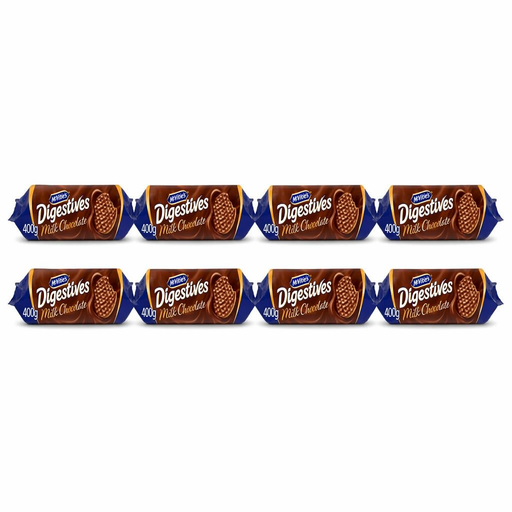 No image available
A milk chocolate digestive option for a crushed biscuit base. The stated 400g pack weight exceeds the 300g of chocolate digestives in Good Food’s cited cheesecake recipe.
 No image available
A dark chocolate digestive option when that flavour fits the dessert. Its stated 400g weight exceeds a recipe calling for 300g of biscuits; check the current packet’s allergen information before use.
 No image available
A milk chocolate digestive pack for a recipe requiring a crushed biscuit base. Its stated 400g weight covers Good Food’s cited 300g biscuit quantity; Joybuy lists milk, soya and wheat as allergens for this product, so check the current packet.
 No image available
A dark chocolate digestive option in two 266g inner packs. Together they provide 532g, but one inner pack alone falls short of a recipe requiring 300g of biscuits.
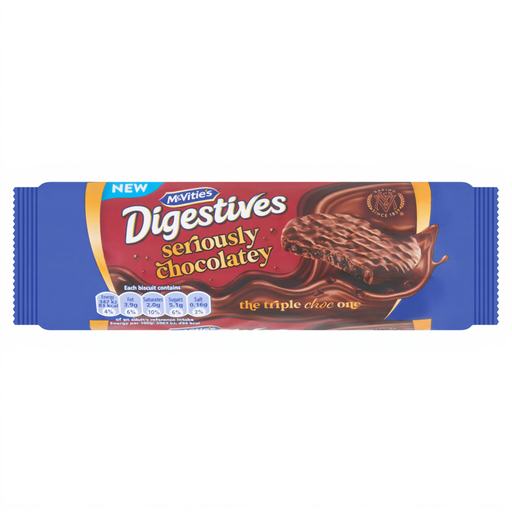 No image available
A chocolate digestive pack to consider when the recipe calls for no more than 250g. One pack is 50g short of the biscuit quantity in Good Food’s cited 300g cheesecake base.
Buy by the weight in your recipe, not by biscuit count. Good Food’s no-bake chocolate cheesecake specifies 300g of chocolate digestives, so a 300g pack matches that recipe; a larger pack leaves biscuits spare.
Choose them only if you want their fillings and flavours in the finished dessert. The cited Penguin bars have chocolate-flavour cream and the cited Club bars have mint-flavoured cream; Good Food’s pressed cheesecake bases instead call for crushed chocolate digestives.
Do not assume so. The cited Sainsbury’s dark chocolate digestives contain milk; check the exact product’s current ingredients and allergen label if dairy must be avoided.
Read the ingredients, highlighted allergens and precautionary statements on the exact packet. The Food Standards Agency explains that wording such as “may contain” communicates possible unintended allergen presence, so the main ingredient list alone is not the whole check.
Check the packet before using or serving the biscuits, and ask the retailer or manufacturer if the information needs clarification. Do not rely on an older listing to decide whether a bake is suitable for someone with an allergy.