Hosts offering a lower-sugar choice
Compare the sugar figure on the nutrition panel, then read the energy, saturates, ingredients and allergen information before serving.


If you want to offer a chocolate biscuit with less labelled sugar, compare sugars per 100g rather than relying on a pack name or the size of one biscuit. Gullón lists 3.5g per 100g for Slimms Milk Choc Digestives, while the checked conventional milk-chocolate digestives from Sainsbury's, McVitie's and Tesco list 25.6g to 31.5g per 100g. Familiar digestives or individual bars can sit alongside that option for guests who prefer them; keep the packs available for ingredient and allergen checks.
A party spread can make room for different preferences without presenting one biscuit as suitable for every guest.
Compare the sugar figure on the nutrition panel, then read the energy, saturates, ingredients and allergen information before serving.
Consider a separate lower-sugar option alongside conventional digestives or individual bars, and leave each pack available so guests can check what they are choosing.
Start with the sugar figure on the same weight basis, then decide how the biscuits will be served and what guests need to check on the pack.
| Priority | What to check | Your needs |
|---|---|---|
| Sugar comparison | Compare sugars in g per 100g across the exact products. Read energy and saturates alongside sugar; use the per-biscuit or per-bar figure when planning portions. | I want to offer a biscuit with less labelled sugar without treating 'no added sugar' as a description of its entire nutrition panel. |
| Serving format | Check the pack quantity and whether you want loose digestives for a plate or separate biscuit bars to hand out. Compare sugar per 100g before comparing differently sized portions. | A shared plate would suit this party, or I may prefer to hand guests individual bars. |
| Ingredients | Read the current pack's ingredients, allergen statements and any sweetener information. Keep the packaging beside biscuits removed from their wrappers. | Guests need to be able to check a particular biscuit for themselves before eating it. |
The phrase does not tell you the biscuit's energy, carbohydrate or saturates. NHS guidance also notes that sweeteners do not necessarily change a food's overall nutritional profile.
Compare the nutrition panels per 100g, then look at the portion you plan to offer.
Different portion sizes can make per-item sugar figures misleading as a comparison between recipes.
Use g per 100g for a like-for-like sugar comparison and the labelled per-portion figure for serving plans.
Ingredients and allergen warnings differ between products, and retailer product information can change.
Keep the current pack for each biscuit available, particularly when serving guests who need to check allergens.
These figures describe the named products, not every biscuit sold under each brand.
Its Slimms Milk Choc Digestives are a no-added-sugar chocolate biscuit option.
Its Milk Chocolate Digestives are a conventional shared-plate option; Penguin and Club provide different bar formats.
Penguin Original is a McVitie's chocolate biscuit bar for individual serving.
Club Mint is another McVitie's bar option for separate portions.
Milk Chocolate Rounds offer a chocolate-coated biscuit option.
Its 300g Milk Chocolate Digestives are an own-label shared-plate option.
Its 300g Milk Chocolate Digestives are another own-label shared-plate option.
These chocolate and chocolate-flavoured biscuit options offer different pack sizes and formats for a party. Compare each current pack's sugar figure and ingredients before deciding which belongs on your table.
 No image available
The 285g oat-biscuit pack is an option to consider for a shared plate; check its current nutrition panel, sweeteners and allergens before serving.
 No image available
This 210g cookies-and-cream pack offers another biscuit format for the table; confirm its chocolate content, nutrition figures and ingredients on the current pack.
 No image available
The 97g sandwich-cookie pack calls for a quantity check if you are serving several guests; read its nutrition and ingredient labels rather than relying on 'Zero Sugar' alone.
 No image available
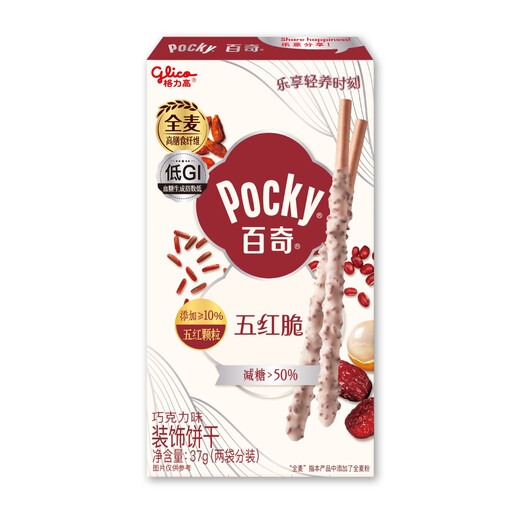
This 37g chocolate-flavoured biscuit is a small-pack option; check how many packs you need and compare its current sugar figure per 100g before treating it as a lower-sugar choice.
No. Read the total sugars figure on the nutrition panel: Gullón lists 3.5g sugars per 100g for Slimms Milk Choc Digestives despite its no-added-sugar name. Check energy and other nutrients separately.
Keep the current packaging available and ask them to check the ingredients and precautionary allergen statements for the particular biscuit. Do not assume two chocolate biscuits have the same ingredients or warnings.