Players sharing a plate
A packet of digestives lets everyone take biscuits as they play. Compare the exact pack weight and any stated biscuit count, then check its instructions if you expect to keep some for another session.


For a gaming session, a shared packet of chocolate digestives suits players taking biscuits from a plate, while a counted multipack of biscuit bars makes it easier to allocate one per player. A selection box offers different biscuit styles, but check its contents, ingredients and availability; pack weight alone does not tell you how many portions it provides.
How you plan to serve the biscuits matters more than the words “family pack” on their own.
A packet of digestives lets everyone take biscuits as they play. Compare the exact pack weight and any stated biscuit count, then check its instructions if you expect to keep some for another session.
A biscuit-bar multipack gives you a count to compare with the number of players. Check the count on the size you are buying, along with its flavour and ingredients.
Read the label on every pack you intend to serve. Different biscuit flavours and assortments can have different ingredients, so a product-family description is not enough for a guest with a relevant allergy or intolerance.
Start with the number of players and whether you will serve biscuits from a shared plate or give each person a counted portion. Then compare the exact variants you are considering.
| Priority | What to check | Your needs |
|---|---|---|
| Quantity | Check net weight for a shared packet and the stated biscuit or bar count for allocated portions. Confirm the count on the exact pack size. | I want enough for the players coming over, without assuming that a heavier packet contains a particular number of biscuits. |
| Serving format | Distinguish loose digestives from biscuit bars and mixed assortments. Check the named flavour and, for a selection box, which biscuits it contains. | Will everyone pick from one plate, receive a bar, or want a choice of biscuit styles? |
| Ingredients and portions | Read the physical pack’s ingredients and allergen statements. If using its nutrition panel, distinguish per-biscuit or per-bar figures from figures per 100 g. | A guest has a dietary requirement, so I need to check the particular flavour and pack before serving it. |
| Keeping an opened pack | Follow the chosen pack’s storage instructions. Tesco advises an airtight container once its 300 g milk-chocolate digestive packet is opened. | If biscuits will be left after the session, I need somewhere suitable to keep the opened packet. |
McVitie’s lists several sizes under its Milk Chocolate Digestives name, and the checked biscuit-bar formats use different pack weights and counts. A pack name cannot tell you how many players it will serve.
Count the players, then check the weight and any biscuit or bar count on the exact pack you intend to buy.
If a shared packet remains open after the session, allow for the storage instructions on its label.
Penguin Original, Club Mint and chocolate digestives have distinct recipes. An ingredient list for one variant does not establish what is in another.
Check the physical pack’s ingredients and allergen statements before serving anyone with a relevant dietary requirement.
These named ranges show different pack and biscuit formats; a brand reference does not mean that every size or flavour has the same contents.
McVitie’s Milk Chocolate Digestives come in shared-packet and twin-pack sizes.
Penguin Original is a McVitie’s biscuit-bar option for allocated portions.
Club is a McVitie’s biscuit-bar range with distinct flavours.
Fox’s Chocolatey Biscuit Selection Carton is an assortment format rather than a packet of identical biscuits.
Tesco lists a 300 g packet of half-coated milk-chocolate digestives.
Sainsbury’s 500 g dark-chocolate-chip digestives illustrate a larger shared-packet format.
These options include counted biscuit and wafer multipacks, a twin pack of digestives for sharing, and a chocolate-bar multipack for those considering a different snack format. Compare each pack’s stated quantity with how you intend to serve it.
 No image available
The eight-pack gives you a stated count to compare with the number of players if you plan to allocate one wafer each. Check the pack’s ingredients before serving guests with dietary requirements.
 No image available
The stated 14-bar count is useful when planning one bar per player. This 344.4 g pack is a distinct variant, so check its own label rather than applying details from another Penguin pack size.
 No image available
Two 266 g packets provide a weight basis for planning biscuits served from a shared plate. This is the dark-chocolate variant; check its own label for biscuit count, ingredients and opened-pack storage.
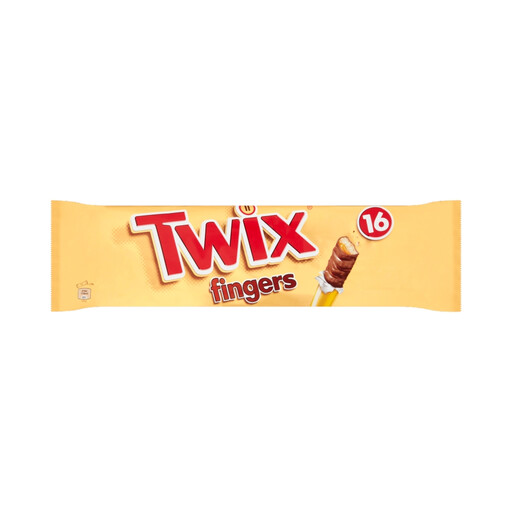 No image available
For counted portions, the named pack specifies 16 biscuits of 20 g each. Check the exact pack’s ingredients before serving anyone with a relevant dietary requirement.
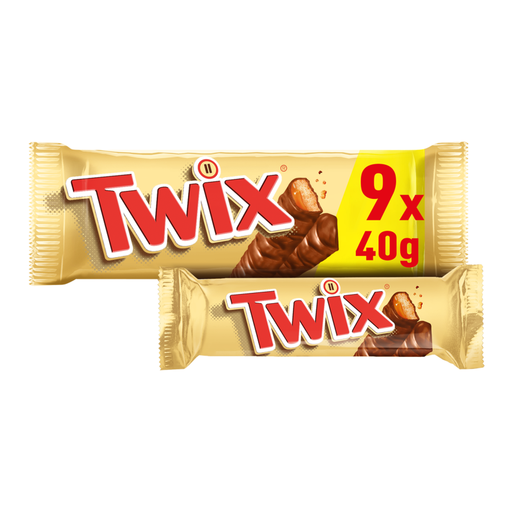 No image available
This is a chocolate-bar multipack rather than a packet of loose biscuits. Its stated nine 40 g twin packs give you a pack count to compare with the number of players; check the label for ingredients.
The named biscuits can be served without preparation. If you open a shared packet and keep some for later, follow its storage label; Tesco advises an airtight container for its milk-chocolate digestives once opened.
GOV.UK explains that a best-before date relates to food quality, whereas a use-by date relates to safety. Read the date type and storage instructions on the actual pack.
Check the physical pack before serving. Recipes and online details can change, and different flavours or biscuits in an assortment need their own ingredient and allergen checks.
No. The Department for Education’s September 2026 school-food guidance applies to England and identifies restrictions on confectionery, chocolate and chocolate-coated products across the school day. Check the applicable school-food standards and their scope separately; they are not rules for snacks served in a private home.