Lunch-packers avoiding added sugar
A no-added-sugar description may help narrow the choice, but check the current pack’s sugars per 100 g if sugars-free is the requirement. You may also need a container if you are taking biscuits from a larger pack.


For lunch on the go, a ready-portioned chocolate biscuit bar suits someone who wants to carry one serving; a no-added-sugar biscuit suits someone prioritising that formulation, provided they can pack a portion. Neither “no added sugar” nor “Zero” establishes that a biscuit is sugars-free: the UK sugars-free claim condition published by legislation.gov.uk specifies no more than 0.5 g sugars per 100 g for solid food. If carbohydrate matters to your snack choice, compare the amount in the portion as well as its sugars.
The useful distinction is whether you need a particular sugars figure, a convenient portion, or information about the ingredients in the biscuit you will eat.
A no-added-sugar description may help narrow the choice, but check the current pack’s sugars per 100 g if sugars-free is the requirement. You may also need a container if you are taking biscuits from a larger pack.
A wrapped bar or a clearly portioned pack can be simpler to carry with lunch. Check the nutrition for the amount you intend to eat rather than assuming the convenient format says anything about its sugars.
Compare carbohydrate for the intended portion, not just the sugars line. University Hospitals Sussex NHS Foundation Trust’s snack guidance uses carbohydrate amounts alongside portion sizes.
Decide whether the sugars claim or the carrying format matters more, then compare the nutrition and ingredients on the exact pack.
Consider when: avoiding added sugar matters more than having a pre-wrapped portion.
Trade-off: the description does not establish a sugars-free biscuit, and a larger pack may need portioning before you leave.
Consider when: carrying one ready portion is the main concern.
Trade-off: convenient wrapping does not indicate a lower sugars figure. Sainsbury’s lists 10.2 g sugars per bar for its specified McVitie’s Penguin Original 14-pack.
| Priority | What to check | Your needs |
|---|---|---|
| Sugars claim | Read the declared sugars per 100 g on the exact pack. For solid food, the UK sugars-free claim condition published by legislation.gov.uk specifies no more than 0.5 g sugars per 100 g; “no added sugar” and “Zero” are not substitutes for that figure. | If I need a sugars-free biscuit, I want to assess the measured figure rather than rely on the name. Gullón Biscuits UK declares 3.5 g sugars per 100 g for its Slimms Milk Choc Digestives despite using “Zero sugar free biscuit” wording on the product page. |
| Portion and packing | Check whether one biscuit or bar is separately wrapped, how many are in the pack, and which portion the nutrition figures describe. Plan how to carry a serving taken from a larger pack. | On a journey, I would rather pack one defined portion than carry an opened packet. If I choose loose biscuits, I can separate the amount I intend to take. |
| Carbohydrate | Compare carbohydrate for the number of biscuits or bars you intend to eat, using per-serving and per-100-g figures where available. University Hospitals Sussex NHS Foundation Trust’s snack guidance considers carbohydrate amounts and portion size. | The sugars line alone does not answer my question about carbohydrate in the portion. For a conventional bar example, Sainsbury’s lists 15.7 g carbohydrate and 10.2 g sugars per bar for its specified McVitie’s Penguin Original 14-pack. |
| Sweeteners | Read the ingredients for sweeteners and check the pack for relevant warnings. GOV.UK’s food-labelling guidance specifies a warning about excessive consumption for products containing more than 10% polyols; an ingredient name alone does not establish that amount. | If sweeteners affect my choice, I want to know which ones are in the biscuit and read the wording on the pack I am buying. |
| Allergens | Inspect the exact product’s highlighted ingredients and any precautionary allergen wording. GOV.UK’s ingredients-list guidance requires allergens to be highlighted in the list. | I need the label for the particular biscuit, not an assumption based on its flavour or sugar claim. Tesco’s listed Diablo 34 g cookies, for example, identify wheat, milk and soya. |
A name can give the wrong impression about the figure that matters to a sugars-free requirement. Gullón Biscuits UK lists 3.5 g sugars per 100 g for Slimms Milk Choc Digestives, while the UK sugars-free claim condition published by legislation.gov.uk specifies no more than 0.5 g per 100 g for solid food.
Check sugars per 100 g on the current pack of the exact biscuit you intend to buy.
A no-added-sugar description does not tell you how much carbohydrate is in the biscuits you plan to eat. University Hospitals Sussex NHS Foundation Trust’s snack guidance considers carbohydrate amounts and portion size.
Compare the labelled carbohydrate for your intended number of biscuits or bars.
A sugars claim does not describe the biscuit’s other ingredients or nutrition. The researched Gullón chocolate digestive contains maltitol, while Tesco’s listed Diablo cookies identify wheat, milk and soya.
Read the exact pack’s ingredients, allergen information, nutrition and any sweetener warnings before choosing.
These examples show how chocolate-biscuit formats and label information differ; figures for one named product should not be applied to another biscuit in the same range.
Its UK range includes chocolate biscuits described as no added sugar.
Tesco Marketplace lists Diablo No Added Sugar Chocolate Cream Cookies in a 34 g format.
The Original biscuit bar is an example of a portioned chocolate-biscuit format.
Club Orange is another chocolate biscuit bar to compare when a defined serving and flavour matter.
Its Dark Chocolate Chip Digestive provides a loose-biscuit example for comparison with portioned bars.
Tesco’s UK chocolate-biscuits category lists Fox’s Chocolate Viennese Biscuits and Double Chocolate Rounds.
These options cover biscuits with sugar-related names as well as conventional chocolate biscuits and wafers for a packed lunch. Check each exact pack’s sugars figure and portion format; the product name alone does not establish a sugars-free choice.
 No image available
The 97g sandwich-cookie pack is worth checking if a sugar-related label is central to your choice. Compare the current pack’s sugars per 100 g with your requirement, and check its portion format, sweeteners and allergens before packing lunch.
 No image available
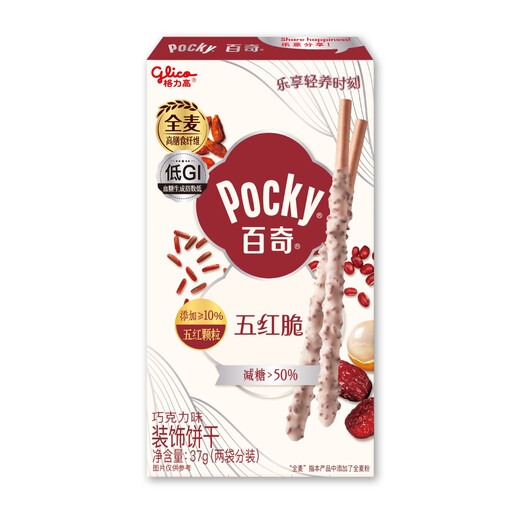
The 37g pack offers a defined amount to compare with your intended lunch portion. Check the current label’s sugars per 100 g, carbohydrate, sweeteners and allergens rather than assuming its pack size or chocolate flavour establishes its suitability.
 No image available
This eight-pack is a conventional chocolate-coated caramel-wafer option when you plan to take one with lunch. Check how the wafers are packed and compare nutrition for the wafer you intend to eat; an eight-pack description does not, by itself, establish separate wrapping or a sugars-free claim.
 No image available
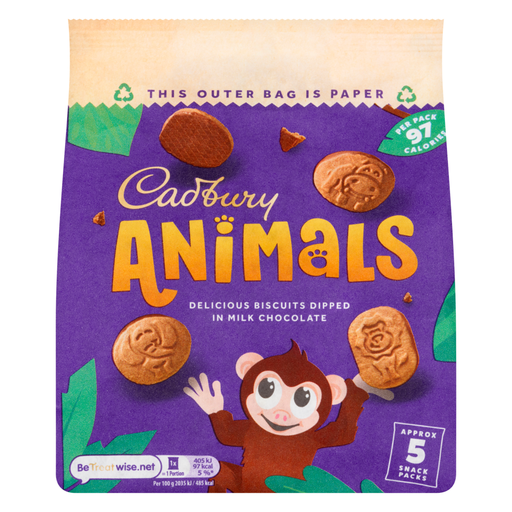
For a lunch portion from this 99.5g biscuit product, check the current packaging to see how servings are divided. Use the labelled portion and sugars figures for the amount you will pack, and read the allergen information.
 No image available
The stated five 20.7g biscuits give you a unit to use when planning what to carry. Check whether each biscuit is separately wrapped, compare nutrition for the amount you intend to eat, and read the current allergen label, particularly if hazelnuts or milk matter to you.
No. The UK sugars-free claim condition published by legislation.gov.uk specifies no more than 0.5 g sugars per 100 g for solid food. Gullón Biscuits UK describes its Slimms Milk Choc Digestives as no added sugar while declaring 3.5 g sugars per 100 g, so check the figure on the exact pack rather than relying on the description.
No. Check carbohydrate for the amount you intend to eat as well as sugars. University Hospitals Sussex NHS Foundation Trust’s snack guidance considers carbohydrate amounts and portion size; a per-100-g figure and a per-biscuit figure answer different questions unless you account for the portion.
Separate the portion you intend to take and follow the product’s storage directions. For its Dark Chocolate Chip Digestives, Sainsbury’s advises cool, dry storage and an airtight container once opened; check the directions on the biscuit you actually pack.
Read the current pack’s ingredients and precautionary allergen information for the exact product. GOV.UK’s ingredients-list guidance requires allergens to be highlighted, and Tesco’s listed Diablo 34 g cookies identify wheat, milk and soya; another chocolate biscuit may have different ingredients.
Maltitol’s presence alone does not establish whether a polyol warning condition applies. GOV.UK’s food-labelling guidance specifies an excessive-consumption warning for products containing more than 10% polyols, so read the wording on the particular pack rather than inferring its polyol percentage from the ingredient name.