Runners planning long-run fuel
You need a carbohydrate and fluid plan you can practise during training. The Australian Institute of Sport advises accounting for your own hydration needs and gut comfort, rather than choosing food by pack size alone.


Do not rely on a chocolate-biscuit sharing bag as your main fuel for a long run or marathon. World Athletics gives carbohydrate intake ranges for endurance events, while the Australian Institute of Sport advises practising a plan that accounts for fluids and gut comfort; the checked biscuit portions provide carbohydrate alongside fat. A sharing pack makes more sense as an occasional treat after training than as the basis of an in-run fuelling plan.
You need a carbohydrate and fluid plan you can practise during training. The Australian Institute of Sport advises accounting for your own hydration needs and gut comfort, rather than choosing food by pack size alone.
You want a pack for enjoyment at home, without treating its sharing format as a reason to use it during a run. The NHS Eatwell Guide places biscuits among foods to have less often and in smaller amounts.
You need the current pack’s serving information, ingredients and allergen statements. Chocolate biscuit recipes and precautionary warnings differ between products, and Tesco notes that food information can change.
Decide whether you are buying for a run or for sharing afterwards, then compare portions and labels for that purpose.
| Priority | What to check | Your needs |
|---|---|---|
| Carbohydrate during a run | Check carbohydrate per portion against your planned intake and session duration. World Athletics gives 30–60 g per hour for events lasting 1–2.5 hours and up to 90 g per hour beyond 2.5 hours; these are guidance ranges, not a serving claim for biscuits. | I need portions I can use repeatedly during a long run, rather than a large bag whose total contents look sufficient on paper. |
| Timing and tolerance | Compare carbohydrate and fat per portion, and practise eating and drinking during training. The NHS North East and North Cumbria Prehabilitation Hub describes a low-fat, high-carbohydrate snack 90–120 minutes before exercise. | If I want a snack before running, I need to know how the timing and food work for me; a chocolate biscuit is not automatically suited to eating close to exercise. |
| Sharing and portions | Look at the stated serving size and whether the pack contains separate portions. Compare per-biscuit figures with per-100 g figures on the same basis before drawing conclusions. | For sharing after a run, I want to know how many portions the pack contains. That is a different decision from choosing what to carry on the run. |
| Ingredients and allergens | Read the current physical pack for ingredients, highlighted allergens and precautionary statements. Tesco notes that ingredients and nutrition information can change with reformulation. | When an ingredient matters to me, I cannot rely on the appearance of a biscuit or an older online listing. |
More biscuits in a pack do not change the carbohydrate and fat in each portion or establish that the food will be convenient to eat while running.
Plan and practise your in-run carbohydrate and fluid intake separately. Choose a biscuit pack for sharing if that is what you want it for.
Calories do not tell you how much carbohydrate a portion contributes. Sainsbury’s lists 15.7 g carbohydrate and 6.7 g fat per Penguin bar; Tesco lists 13.8 g carbohydrate and 5.9 g fat per Club Orange bar.
Compare the labelled carbohydrate, fat and portion size with the role you expect the food to play.
A pack that is easy to buy is not necessarily easy for you to eat repeatedly during a run. The Australian Institute of Sport advises practising a fuelling plan around hydration needs and gut comfort.
Try the food and drink you intend to use on training runs before relying on them for a marathon.
Checked biscuit listings include differing allergen information and precautionary warnings. Tesco also notes that food products can be reformulated.
Check the ingredients and allergen statements on the physical pack you are buying, particularly when you must avoid an ingredient.
These examples help distinguish familiar sharing formats and label measures; brand inclusion does not establish suitability as running fuel.
The checked range includes Milk Chocolate Digestives and individually wrapped Penguin and Club biscuit-bar multipacks.
Its checked Chocolatey Milk Chocolate Rounds listing is a chocolate-coated biscuit pack to consider for sharing.
Its Milk Chocolate Digestives 300 g pack is a conventional at-home sharing format.
Its listings cover several chocolate biscuit formats, allowing pack sizes and labelled nutrition to be compared.
These gels and drinks are alternatives to a chocolate-biscuit sharing bag for planning carbohydrate intake during a long run. They are not biscuit products; compare their current labels and practise the format you intend to use.
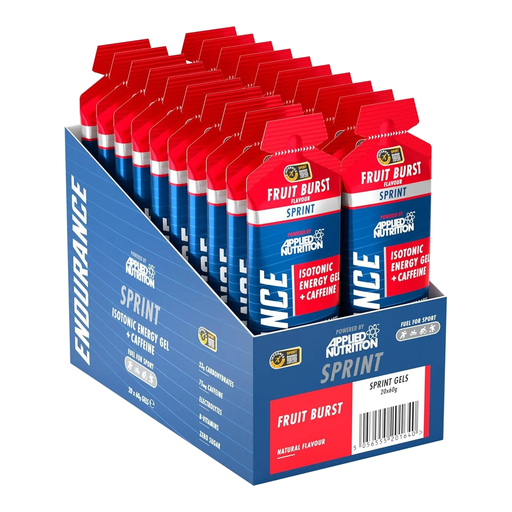 Image unavailable
A gel sachet format to consider for a practised in-run plan instead of carrying biscuits. The pack contains 20 x 60g; check the current label for carbohydrate and caffeine per sachet before planning portions.
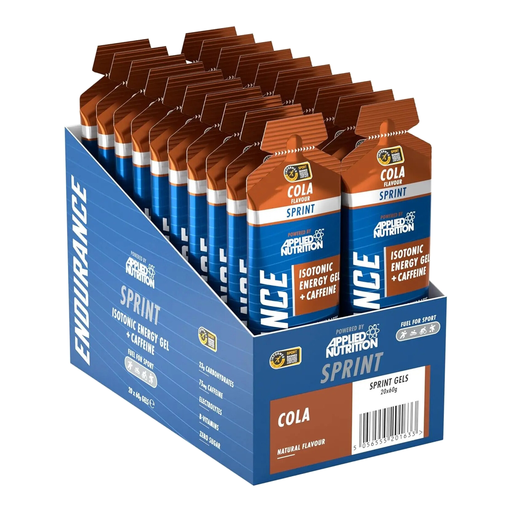 Image unavailable
This gel is a different choice from an ordinary biscuit or a gel without stated caffeine. Its title specifies 75mg caffeine and a pack of 20 x 60g; account for the caffeine when choosing what to practise in training.
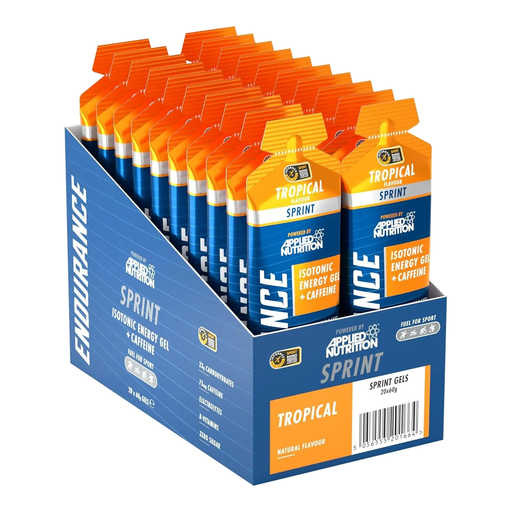 Image unavailable
This 20 x 60g gel pack offers a sachet format rather than a chocolate-biscuit sharing format. Check the current carbohydrate and caffeine information per sachet, and try the flavour during training before relying on it for an event.
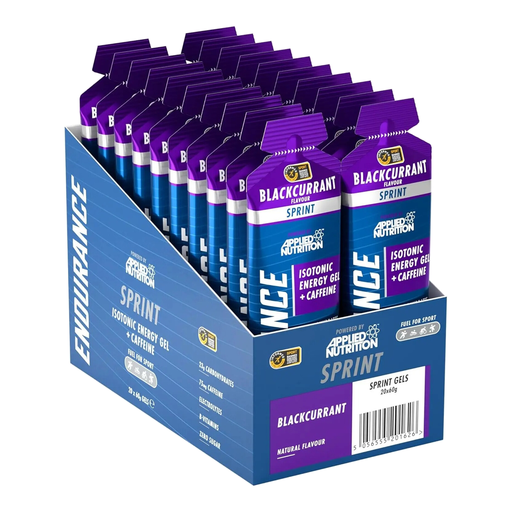 Image unavailable
Consider this 20 x 60g sachet pack if a gel format fits the plan you are practising. Check the current per-sachet carbohydrate and ingredient details rather than assuming that flavours have identical formulations.
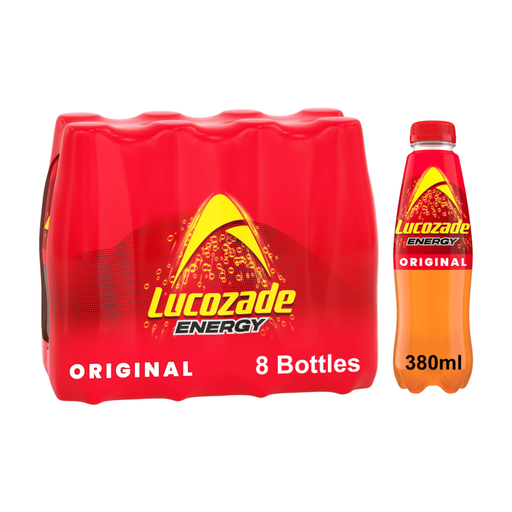 Image unavailable
This is a bottled drink rather than a biscuit or gel. The pack contains eight 380ml bottles; consider how you would carry a bottle and check its current carbohydrate content before including it in an in-run plan.
Do not make a sharing bag your main in-run fuelling plan. World Athletics gives 30–60 g carbohydrate per hour for events lasting 1–2.5 hours and up to 90 g per hour beyond 2.5 hours; the Australian Institute of Sport advises practising intake alongside fluids and gut comfort. The checked biscuit portions provide carbohydrate alongside fat, so assess a food by its portion and how you would use it, not its bag size.
It can be a pack to share as an occasional treat after training, rather than a substitute for a planned run fuel or meal. For eating before exercise, the NHS North East and North Cumbria Prehabilitation Hub describes a low-fat, high-carbohydrate snack 90–120 minutes beforehand; consider timing and your own tolerance instead of assuming a chocolate biscuit serves that purpose.
Check the serving size, carbohydrate and fat per serving, ingredients, allergens, precautionary statements and storage instructions on the current pack. The checked Sainsbury’s and Tesco listings show that biscuit products can have different allergen warnings, while Tesco notes that food information can change.
Training does not turn biscuits into a purpose-designed endurance fuel. The NHS Eatwell Guide lists biscuits among foods high in fat, salt and sugar to have less often and in smaller amounts; keep an occasional biscuit distinct from your planned training meals and in-run intake.