Everyday tea-break buyer
A packet makes sense when you want to put out one type of biscuit with tea. Choose the flavour and texture of the exact variety rather than assuming all chocolate digestives taste alike.


Choose a packet of chocolate biscuits for an informal tea break, individual bars when you need separate portions, or an assortment when guests would welcome a choice or the biscuits are a gift. Check the exact pack’s contents and allergen information. If the recipient expects pieces of chocolate rather than biscuits, look for chocolate confectionery instead.
The way you plan to serve the biscuits is a useful starting point: an open packet, separate bars and a presentation box answer different needs.
A packet makes sense when you want to put out one type of biscuit with tea. Choose the flavour and texture of the exact variety rather than assuming all chocolate digestives taste alike.
A biscuit assortment gives guests a choice and can be presented as a gift. Check what the particular box contains, especially if a recipient has an allergy.
Bars are an option when you want to hand people separate portions instead of setting out an open packet. Penguin Original and Club Orange illustrate different flavours in this format.
Decide whether the occasion calls for one biscuit variety, separate portions or an assortment; then compare the labels of the exact products you are considering.
| Priority | What to check | Your needs |
|---|---|---|
| Flavour and texture | Compare the biscuit base, coating and stated flavour of the exact variety. The Good Housekeeping Institute’s June 2026 blind test compared milk-chocolate digestives; its result does not rank bars or assortments. | For a familiar biscuit beside tea, I might choose a chocolate digestive. If I want gingerbread, orange or an oaty biscuit, I should look at those varieties separately. |
| Serving format | Check whether the product is a packet, a multipack of bars or a box of assorted biscuits. For bars, check the number in the pack; for a box, check its contents. | Separate bars suit an occasion where I am handing out portions. A box makes more sense when I want guests to choose among biscuits or I am giving biscuits as a gift. |
| Box contents and weight | Read the net weight and variety list on the exact listing and delivered pack. UK retailer listings describe 355g and 365g Fox’s Chocolatey Biscuit Selection boxes; those descriptions do not establish identical contents. | If I am buying for a group, I want to know how much is in this particular box and which biscuits people will be offered. |
| Ingredients and allergens | Check the exact ingredient list and any precautionary statement. GOV.UK says regulated allergens present as ingredients in prepacked food must be clearly labelled in the ingredients list. Fox’s says its Chocolatey Biscuit Selection may contain nuts and peanuts. | When serving someone with an allergy, I need to assess their particular product and its label, not assume that every biscuit in an assortment has the same ingredients. |
| Nutrition basis | Compare figures on the same basis, such as per 100g. The NHS explains that food nutrition information is given per 100g or 100ml and sometimes also per portion; a per-biscuit figure and a per-bar figure describe different portions. | If portion information matters to me, I want to know whether a label’s figures refer to 100g, one biscuit or one bar before comparing products. |
Fox’s Chocolatey Biscuit Selection contains chocolate-coated biscuits. A recipient expecting pieces of chocolate is expecting a different kind of product.
Decide what the recipient means by “chocolates” before choosing a box for a morning tea break.
UK retailer listings describe 355g and 365g versions of Fox’s Chocolatey Biscuit Selection, so a familiar product name alone does not settle the quantity or contents.
Check the listing’s net weight and varieties, then read the label on the box you receive.
An assortment contains different biscuits, and Fox’s states that its Chocolatey Biscuit Selection may contain nuts and peanuts.
For a guest with an allergy, check the exact box’s ingredients and precautionary wording rather than relying on its name or another variety’s label.
The Good Housekeeping Institute’s June 2026 blind test compared milk-chocolate digestives. Its scores do not establish how an individual bar or a gift assortment would compare.
Use that result only when choosing among the tested type of digestive; assess bars and boxes by their own contents and intended use.
These examples help distinguish product lines and formats; a detail about one named variety should not be assumed to apply to every biscuit from the same brand.
Its Milk Chocolate Digestives are a packet-of-biscuits reference for an informal tea break.
A McVitie’s biscuit-bar line to consider when separate portions matter.
A McVitie’s biscuit-bar line that includes an orange-flavoured option.
Its Chocolatey Biscuit Selection is a boxed assortment for sharing or giving biscuits.
Its own-label Milk Chocolate Digestive Biscuits provide another packet option for a tea break.
Its milk-chocolate digestives are another own-label variety to consider within the packet format.
These options cover packets for serving with tea, a boxed cookie assortment for sharing, and caramel wafer bars for separate portions. The Fox’s cookie assortment is a different product from the chocolate-coated biscuit selection discussed above.
 No image available
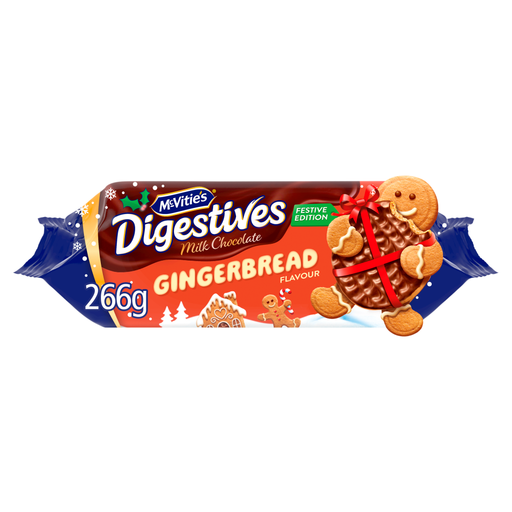
A packet option for tea when you want gingerbread flavour rather than a plain chocolate digestive. Check the pack’s ingredient and allergen information before serving.
 No image available
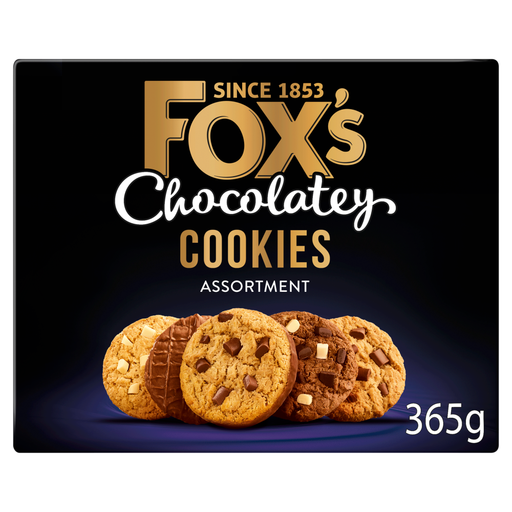
A boxed cookie assortment for sharing or giving as a biscuit gift. It is not the same product as Fox’s Chocolatey Biscuit Selection of coated biscuits; check this box’s own contents and allergen statement.
 No image available
Two packs of milk-chocolate Hobnobs offer an alternative to a chocolate digestive for serving with tea. Hobnobs are a different biscuit variety, so compare the exact packs if texture or ingredients matter.
 No image available
A single-variety packet of milk-chocolate digestives for putting out with tea. Its 400g pack is distinct from the 266g McVitie’s pack named in the Good Housekeeping Institute’s June 2026 taste test; do not assume every pack detail is identical.
 No image available
An eight-pack to consider when handing out caramel wafer bars rather than serving biscuits from an open packet. A caramel wafer is a different choice from a digestive or a mixed biscuit box.
No. Fox’s describes its Chocolatey Biscuit Selection as an assortment of chocolate-coated biscuits. If the gift is meant to be pieces of chocolate rather than biscuits to serve with tea, choose from chocolate confectionery instead.
Follow the directions on the particular pack. Tesco’s Milk Chocolate Digestive Biscuits listing and M&S’s Milk Chocolate Digestives product information both advise keeping opened biscuits in an airtight container.
No. GOV.UK distinguishes best-before dates, which concern quality, from use-by dates, which concern safety. Check the pack’s date and storage instructions; biscuits can become stale.
Check the exact prepacked product’s ingredient list and any precautionary wording. GOV.UK says regulated allergens present as ingredients must be clearly labelled in the ingredients list; Fox’s also states that its Chocolatey Biscuit Selection may contain nuts and peanuts.