Office tin restockers
If colleagues help themselves regularly, compare loose-pack sizes with how quickly the biscuits will be used. The McVitie’s and Tesco digestive listings both call for airtight storage after opening.


Choose loose chocolate-coated biscuits for a regularly used office tin if you can store them as the pack directs. Individually wrapped bars make more sense when colleagues take biscuits away; a mixture can serve both habits, provided each product’s ingredients remain identifiable. Check the exact pack for coating, allergens and storage instructions rather than assuming similarly named biscuits have the same recipe.
If colleagues help themselves regularly, compare loose-pack sizes with how quickly the biscuits will be used. The McVitie’s and Tesco digestive listings both call for airtight storage after opening.
If colleagues take biscuits back to their desks or away from the office, individually wrapped bars avoid having to take a loose biscuit from the tin. Tesco describes its Penguin Original seven-pack as individually wrapped.
Keep the exact product’s ingredients and precautionary-allergen information available when biscuits are removed from their packs. A mixed tin should not be presented as suitable for a particular allergy without checking every product.
Decide how biscuits will be taken from the tin first, then compare the exact packs for flavour, labelling and storage.
| Priority | What to check | Your needs |
|---|---|---|
| Pack format | Check whether biscuits are loose or individually wrapped. Compare the stated pack quantity with how the office uses the tin. | I’m filling a tin for shared tea breaks, or I want colleagues to be able to take a wrapped bar away. |
| Biscuit and coating | Read the exact description: a chocolate-coated digestive, coated shortcake and chocolate-flavour-coated bar are different products. Tesco lists 71% milk chocolate for the specific Fox’s Milk Chocolate Rounds 117g pack; that figure does not describe other Fox’s biscuits. | A familiar digestive would suit our tin, but I might also want an orange-flavoured bar or a different biscuit base. |
| Ingredients and allergens | Keep each current pack’s ingredient list identifiable. Check product-specific precautionary statements as well as listed ingredients; Tesco’s Fox’s Milk Chocolate Rounds listing says they may contain nuts and peanuts. | Colleagues need to be able to identify what is in each biscuit, particularly if I put several types into one tin. |
| Storage and use | Follow the opened-pack directions and check the date on the pack. The examined McVitie’s and Tesco digestive listings specify airtight storage after opening. | If our tin is used only occasionally, I’d rather choose a quantity we are likely to finish while the biscuits retain their intended quality. |
Tesco’s Penguin Original seven-pack lists a 29% milk-chocolate-flavour coating. A separately listed Joybuy Penguin seven-pack describes 45% milk chocolate and different ingredients, so the names alone do not establish that they are the same product.
Match the full product and pack details, then read the label before substituting one bar for another.
Colleagues can then lose track of which ingredients and precautionary-allergen statements belong to which biscuit. The examined products do not all carry the same warnings.
Keep each current pack label identifiable alongside its biscuits, and do not describe the mixed tin as suitable for a particular allergy without checking every product.
Opened loose biscuits need the storage described on their packs. UK government guidance explains that a best-before date concerns quality rather than the safety meaning of a use-by date.
Choose a pack quantity that fits likely use, follow its storage directions and consider wrapped bars if colleagues mainly take individual snacks away.
Its milk-chocolate digestives offer a loose-biscuit format for a shared tin.
Tesco describes the examined Penguin Original seven-pack as individually wrapped biscuit bars.
McVitie’s Club Orange is an orange-flavoured biscuit-bar option.
Milk Chocolate Rounds offer coated shortcake rather than a digestive biscuit.
Its examined 300g own-label pack contains digestive biscuits half coated in milk chocolate.
Its Milk Chocolate Nice biscuits provide a coconut-flavoured, half-coated alternative.
These options cover loose chocolate digestives, an alternative Hobnobs pack, caramel wafer bars and Mini Animals biscuits. Check each pack’s format and label before deciding what belongs in the shared tin.
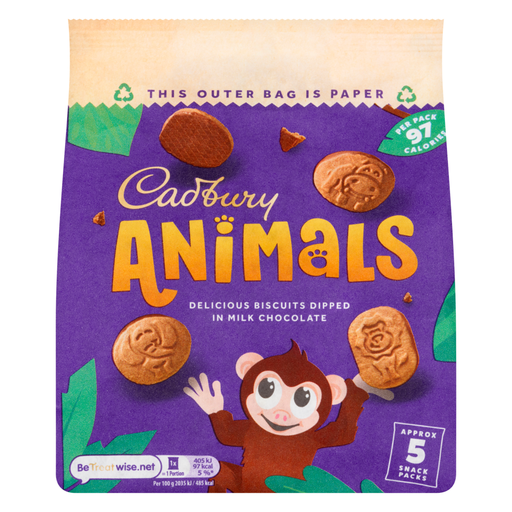 No image available
Consider these when choosing smaller biscuits rather than a full-sized digestive or bar. Check the pack for its wrapping, coating and allergen information before adding it to a mixed tin.
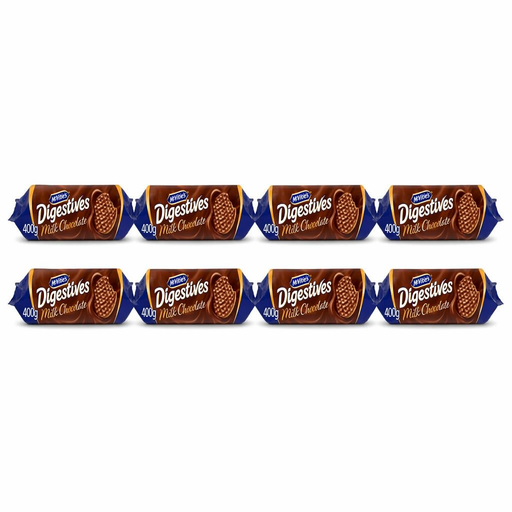 No image available
A 400g milk-chocolate digestive pack is a loose-biscuit option for a regularly used tin. Check this exact pack’s ingredients and storage directions before sharing it.
 No image available
This 2 x 262g twin pack offers a different biscuit style from digestives. For an office tin, consider whether both packs will be used and follow the opened-pack storage instructions.
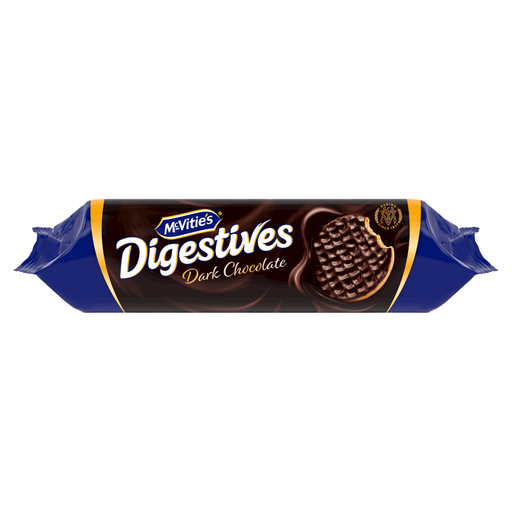 No image available
A 400g digestive option when the office wants dark chocolate alongside, or instead of, milk chocolate. Check the exact pack’s allergen information and opened-pack storage directions.
 No image available
An eight-pack of milk-chocolate caramel wafers offers a bar-shaped alternative to loose biscuits. If colleagues will take bars away, check the individual wrapping and read the pack’s ingredient information.
Not necessarily. Check the exact description and ingredients: Tesco’s Penguin Original listing and McVitie’s Club Orange description specify a milk-chocolate-flavour coating, while the examined milk-chocolate digestive listings specify milk chocolate.
Follow the directions on each pack. The examined McVitie’s, Tesco, Fox’s and Sainsbury’s loose-biscuit listings call for airtight storage after opening; keep each product’s ingredient information identifiable if you remove its packaging.
No. UK government guidance says a best-before date concerns quality, whereas a use-by date concerns safety. Check the date and storage directions on the actual pack when managing a slower-moving tin.
No: check every biscuit and keep its current ingredient and precautionary-allergen information identifiable. UK government guidance requires specified allergens in prepacked food to be clearly labelled in the ingredients list; it does not establish that an ordinary shared office tin is suitable for any particular allergy.