Regular tin restockers
If colleagues use the tin frequently, compare the number of biscuits or stated servings with the time between restocks. Check the opened-pack storage instructions before transferring loose biscuits.


Choose loose chocolate biscuits when colleagues use the tin regularly and the opened pack can be stored as directed. Wrapped bars make more sense when people take snacks at different times, but count the bars before buying for a group. Neither format establishes that a biscuit is suitable for someone with an allergy: check the exact pack and keep its information available.
If colleagues use the tin frequently, compare the number of biscuits or stated servings with the time between restocks. Check the opened-pack storage instructions before transferring loose biscuits.
If snacks are put out intermittently, separately wrapped bars may be easier to offer one at a time. Check the number of bars against the number of people you expect to serve.
Keep each product’s original information identifiable and account for the needs of colleagues with allergies. Anaphylaxis UK advises individual workplace risk assessments for employees with allergies; a shared tin or individual wrapper does not replace that consideration.
Start with how quickly the office uses biscuits, then compare portions, storage directions and the information colleagues will need when choosing one.
Choose when: Colleagues use the tin regularly and someone can follow the pack’s storage directions after opening.
Bear in mind: Transferring biscuits into a tin separates them from the original ingredient and allergen information unless you keep it identifiable.
Choose when: Colleagues take snacks at different times and individual portions suit the way the office shares them.
Bear in mind: A multipack has a fixed number of bars; Tesco lists seven in its McVitie’s Penguin Original pack, so check the count for your group.
| Priority | What to check | Your needs |
|---|---|---|
| Portions | Check the number of bars, biscuits or stated servings. Use net weight to compare quantity, but not as a substitute for a portion count. | I need enough for the people likely to use the tin before the next restock, without assuming everyone takes the same amount. |
| Opened-pack storage | Read the exact pack’s instructions and check whether the tin meets them. The cited Tesco digestives and Sainsbury’s cookies both call for an airtight container after opening. | Biscuits may sit in our tin between snack breaks, so I want a pack size we are likely to use while following its storage directions. |
| Ingredients and allergens | Check the current packaging for each product and keep it identifiable after opening. Account for the needs of colleagues with allergies rather than assuming a format is suitable. | I want colleagues to be able to identify what is being offered, especially when loose biscuits are no longer in their packet. |
| Pack comparison | Compare current unit prices on the same weight basis for similar products, then consider the portions the office will use. GOV.UK’s Great Britain price-marking guidance describes unit pricing as a comparison tool. | A larger pack only works for us if we are likely to use its contents; weight alone does not tell me how many colleagues it will serve. |
| Selection contents | Check the varieties in a mixed box rather than assuming every biscuit is chocolate-covered. Sainsbury’s describes the Fox’s Classic selection as including chocolate-coated, chocolate-chunk and plain biscuits. | If I am putting out a selection, I want to know which varieties colleagues can choose from. |
Once loose biscuits are removed from their packet, colleagues may no longer be able to identify the ingredients and allergy advice for that product.
Keep the current original packaging identifiable and consider individual allergies before offering biscuits to share.
Pack weight, bar count and a manufacturer’s serving count describe different things. Seven wrapped bars are seven individual units; a stated serving count for loose biscuits depends on that product’s serving definition.
Check the exact pack’s count or serving basis against the number of people likely to take one before the next restock.
The cited Tesco digestive and Sainsbury’s cookie packs instruct buyers to use an airtight container after opening.
Check the directions on the pack you buy and choose a quantity the office is likely to use.
These ranges illustrate different pack formats; a brand name alone does not tell you the portion count, contents or storage directions of a particular pack.
Its range includes loose chocolate digestives as well as the Penguin and Club bar lines, according to McVitie’s product range.
A McVitie’s line of individually wrapped chocolate-biscuit bars.
A McVitie’s chocolate-biscuit bar line with variants that need to be checked individually.
Its cited Classic Biscuit Selection mixes biscuit styles rather than containing only chocolate biscuits.
Its cited own-label Milk Chocolate Digestive Biscuits are a loose-pack option for a communal tin.
Its cited own-label chocolate-chunk cookies illustrate another loose-biscuit format.
These options include loose chocolate biscuits for a regularly used tin and chocolate wafer or biscuit multipacks for portioning across snack breaks. Check each pack’s current label, count and storage directions before sharing.
 No image available
For snacks taken at different times, check whether the eight wafers are separately wrapped. Count eight units against the number of colleagues, and check the pack’s allergen information before sharing.
 No image available
A 400g loose-biscuit pack to consider for a regularly used tin. Check its current biscuit count and opened-pack storage directions, and keep the original ingredient and allergen information identifiable.
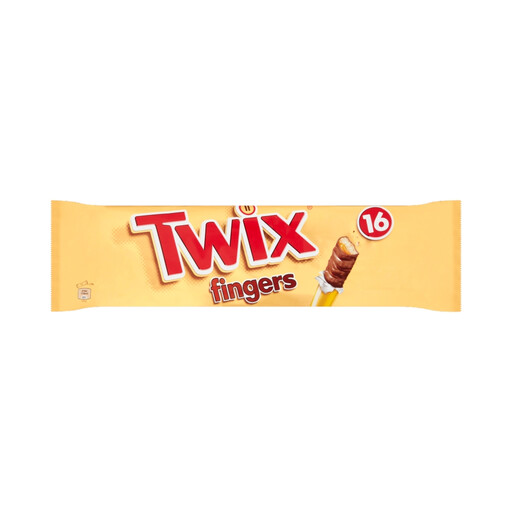 No image available
The 16-unit multipack gives a count to plan around when buying for colleagues. If biscuits will be taken over several days, check the pack’s wrapping and storage information, along with its current allergen label.
 No image available
A 12-bar pack offers a stated unit count for planning an office snack. Check whether its packaging suits how colleagues will take the bars, and read the current allergen information before offering them.
 No image available
Two 262g packs allow you to plan when to open each pack for a regularly used tin. Check the biscuit count, follow the current opened-pack storage directions and keep each pack’s allergen information available.
Estimate how many people are likely to take a biscuit before the next restock, then check the exact pack’s count or stated servings. Seven wrapped bars are seven individual units; a loose pack’s serving estimate uses that product’s serving definition, not necessarily the portions colleagues will take.
Follow the directions on the particular pack. The cited Tesco digestives and Sainsbury’s cookies both instruct buyers to use an airtight container after opening; keep the original packaging identifiable so colleagues can check ingredients and allergy advice.
No. Check the exact product’s current ingredients and allergy advice and account for that colleague’s needs. Anaphylaxis UK advises individual workplace risk assessments for employees with allergies.
Compare current unit prices on the same weight basis for similar products, then check the number of portions the office is likely to use. GOV.UK’s Great Britain price-marking guidance describes unit pricing as a way to compare goods; the lowest price per kilogram does not by itself answer how much your office needs.
Read the delivered pack before offering the biscuits, particularly its ingredients and allergen information. Tesco warns that product information can change and advises customers to use the product label rather than rely solely on its website; raise a product-specific problem with the seller if needed.