Hosts putting out shared biscuits
Full-size milk- or dark-chocolate digestives fit a plate guests can choose from. Compare pack weights and check how the biscuits should be stored if buying ahead.


Choose full-size chocolate digestives for a shared plate, adding a dark-chocolate version if you want a second flavour or minis if smaller pieces suit the way you plan to serve them. Wrapped Penguin and Club bars offer a different serving format, while chocolate-coated shortcake is not a digestive. Check the exact packs' sizes, ingredients and allergen warnings before deciding what to put out.
Full-size milk- or dark-chocolate digestives fit a plate guests can choose from. Compare pack weights and check how the biscuits should be stored if buying ahead.
Mini digestives provide bite-sized pieces. Penguin and Club bars offer a separately wrapped format, but they are different biscuits rather than smaller digestives.
Keep each variety's packaging available so guests can check the exact ingredients and precautionary warnings, particularly after biscuits have been transferred to plates.
Decide whether the party needs a shared plate of digestives, smaller pieces or a different biscuit format; then compare the exact packs you would serve.
| Priority | What to check | Your needs |
|---|---|---|
| Biscuit and flavour | Check whether the base is a digestive, shortcake or another biscuit. For a dark-chocolate digestive, check the full ingredients rather than assuming the chocolate is dairy-free. | I want a familiar chocolate digestive, perhaps alongside a second flavour. If I choose shortcake or a filled bar, I want guests to recognise that it is a different biscuit. |
| Serving format | Compare declared pack weights and any stated biscuit count. Distinguish full-size digestives and minis from separately wrapped bars. | For a shared plate, full-size biscuits may suit my plans; for smaller pieces or separately packaged choices, I would check the mini and bar formats instead. |
| Ingredients and allergens | Read the physical pack's ingredient list and any 'may contain' warnings. Keep packaging available when transferring biscuits to plates. | If a guest needs to avoid an ingredient, I want them to be able to check the precise variety being served, not rely on its flavour or an online description. |
| Buying ahead | Compare pack weights on the same basis and check current offers when ordering. Follow each pack's storage directions, including instructions for after opening. | I would like enough biscuits for the guest count and other food on offer, without assuming differently sized packs contain the same number. |
McVitie's lists butter oil (milk) in its Dark Chocolate Digestives, so the flavour name cannot settle an allergy-related choice.
Read the full allergen information on the exact pack before serving it to a guest who needs to avoid milk.
McVitie's describes Penguin as a filled sandwich bar and Club Orange as a flavoured biscuit bar; Fox's Milk Chocolate Rounds have a shortcake base. Their formats change what guests are being offered.
Choose the biscuit type and serving format first, then compare products within that choice.
On an unlabelled plate, guests may be unable to tell which ingredient list or precautionary warning belongs to each biscuit.
Keep the original packs available and keep varieties distinguishable. UK government guidance for community and charity events also recommends retaining packaging so people can check ingredients they avoid.
Its UK product pages describe full-size milk- and dark-chocolate digestives as well as mini milk-chocolate digestives.
Tesco lists a 300g own-label milk-chocolate digestive pack.
Sainsbury's lists a 300g own-label milk-chocolate digestive pack.
McVitie's describes Penguin Original as a coated biscuit-and-cream sandwich bar.
McVitie's describes Club Orange as an orange-flavoured coated biscuit bar.
Fox's Chocolatey Milk Chocolate Rounds are chocolate-coated shortcake biscuits.
These options include full-size chocolate digestives and other chocolate biscuits that could go on a shared party plate. The non-digestive biscuits offer a different choice, not a substitute with the same base or ingredients.
 No image available
A dark-chocolate digestive option for a shared plate or a second flavour alongside milk chocolate. The twin pack contains 2 x 266g; check its label for ingredients and allergens rather than assuming dark chocolate is milk-free.
 No image available
A full-size milk-chocolate digestive for putting out on a shared plate. The pack is 400g; keep its packaging available for guests who need to check ingredients.
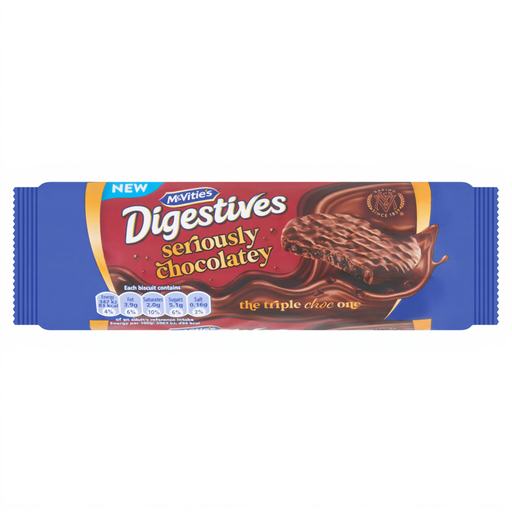 No image available
Another digestive variety for a shared biscuit plate. Its 250g pack has a different weight from the other listed McVitie's digestives, so compare quantities before choosing how many packs to buy.
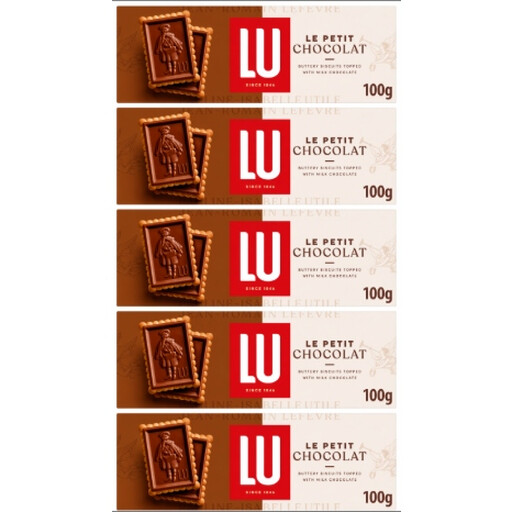 No image available
A chocolate biscuit option to consider if the plate does not need to contain only digestives. This listing is for 6 packs of 100g; check the exact packaging for the biscuit type and allergens.
 No image available
A milk-chocolate Hobnobs option if you want another biscuit alongside the digestives. The twin pack contains 2 x 262g; retain its label so guests can check ingredients and allergen warnings.
Start with the guest count, the other food you plan to serve and whether you are offering more than one biscuit. Then compare each pack's weight or stated biscuit count; differently sized packs should not be treated as equal quantities.
Follow the directions on the pack you buy. Tesco's listed milk-chocolate digestives specify a cool, dry place and an airtight container after opening.
Check the physical packaging for every variety served, including precautionary warnings, and keep it available after plating. Dark chocolate is not proof that a biscuit is milk-free: McVitie's lists butter oil (milk) in its Dark Chocolate Digestives, while Fox's lists a nuts-and-peanuts warning for its Chocolatey Milk Chocolate Rounds.
The cited school-food rules do not establish a prohibition on serving biscuits at a private home party. The Department for Education's September 2026 school-food guidance concerns food provided in state-funded schools in England; a school event needs its own setting-specific check.