Parents choosing regular toddler snacks
The NHS advises avoiding sugary snacks for young children. Decide whether biscuits suit the occasion before comparing bags, bars or individual packs.


For regular toddler snack time, choose a different snack rather than relying on a sharing bag of chocolate biscuits, in line with NHS advice to avoid sugary snacks for young children. For an occasional family treat, a loose bag lets an adult decide what to serve, while separate packs can keep occasions apart; neither format sets a toddler portion. Check the exact ingredients and supervise your child while eating.
The NHS advises avoiding sugary snacks for young children. Decide whether biscuits suit the occasion before comparing bags, bars or individual packs.
A loose bag, separate mini packs and larger biscuits offer different ways to share. An adult still needs to decide what to serve a toddler and supervise eating, as UK government early-years advice recommends.
Check the exact product’s ingredients and the nursery’s food policy before packing it. The NHS advises checking with the nursery about its policies.
Decide whether the purchase is for regular toddler snacks or an occasional family treat, then compare the pack format with the amount you intend to serve.
Consider when: An adult will serve biscuits to the family rather than hand over the bag.
Bear in mind: The bag does not divide servings, and you will need to follow its storage instructions after opening.
Consider when: Keeping biscuits for different occasions matters more than opening one shared bag.
Bear in mind: A sealed pack is not toddler portion advice or automatic permission to take it to nursery.
Consider when: You are shopping specifically for regular between-meal toddler snacks; the NHS suggests options such as fruit and plain unsweetened yoghurt.
Bear in mind: This does not meet a request for chocolate biscuits as an occasional family treat.
| Priority | What to check | Your needs |
|---|---|---|
| Snack occasion | Decide whether this is a regular toddler snack or an occasional treat. If comparing biscuits, read sugars and saturated fat on the exact packs using the same per-100g basis or the amount you plan to serve. | I’m choosing something for ordinary snack time, not just a family treat. The NHS advises avoiding sugary snacks for young children, so the pack format alone will not settle that choice. |
| Serving from the pack | Check whether biscuits are loose or separately packed. Tesco lists four labelled servings for McVitie’s 80g loose minis and five packs for its 5 × 19g mini multipack; those labels are not toddler portions. | For family sharing, I want to decide what goes on the plate rather than use the bag or wrapper as a serving instruction. |
| Allergens and nursery | Read the ingredients and precautionary allergen statements on the exact pack. If it is going to nursery, check that setting’s food policy too. | I need to know whether this particular biscuit is suitable for the children who may be offered it, and whether the nursery accepts it. |
| Eating and storage | Consider the biscuit’s size, shape and texture; supervise the child while eating, as UK government early-years advice recommends. Check how an opened pack should be stored. | A mini biscuit still needs to be served in a way my toddler can manage. If the family will return to a loose bag later, I also need to store it as labelled. |
These words describe the biscuit or pack, not how often to serve it or how much to give a young child. Tesco’s listed McVitie’s mini multipack, for example, states 5.7g sugars per 19g pack.
Choose the occasion first, then compare the nutrition for the amount being considered. Do not use adult reference-intake figures as toddler targets.
Ingredients and precautionary statements vary by product. Sainsbury’s listing for Fox’s Double Chocolate Viennese biscuits, for example, says they may contain nuts and peanuts.
Read the particular pack before serving it to a child with an allergy or intolerance, and check any nursery food policy.
A nursery may have its own food policy, which matters when choosing something to pack for that setting.
Ask the nursery about its policy before packing biscuits; the NHS specifically advises parents and carers to check.
These examples help distinguish pack formats and label details; a brand name alone does not establish a biscuit’s suitability for toddler snack time.
Tesco lists McVitie’s milk-chocolate digestive minis both as an 80g loose pack and as a 5 × 19g multipack.
The McVitie’s Penguin line includes chocolate biscuit bars; a Joybuy listing describes a 7 × 24.6g pack.
Tesco lists Club Mint as seven 22g biscuit bars.
Sainsbury’s lists Fox’s Double Chocolate Viennese biscuits, a different style from digestive minis or bars.
Tesco’s own-label 300g milk-chocolate digestives are a loose-pack alternative to minis.
Its listed 400g milk, dark and white chocolate biscuit selection is an assortment for family sharing.
These Joybuy biscuits and multipacks are options to examine for an occasional family treat. Compare the exact label and the amount you intend to serve; their inclusion does not make them regular toddler snacks.
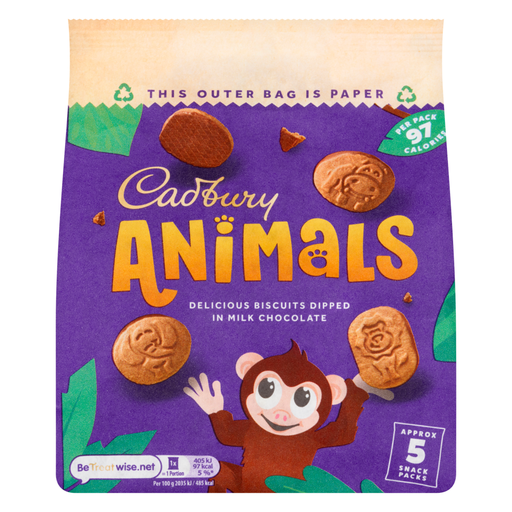 No image available
For an occasional family treat, decide what to serve a toddler instead of treating the “mini” name as portion advice. Check the pack’s nutrition and ingredients before serving.
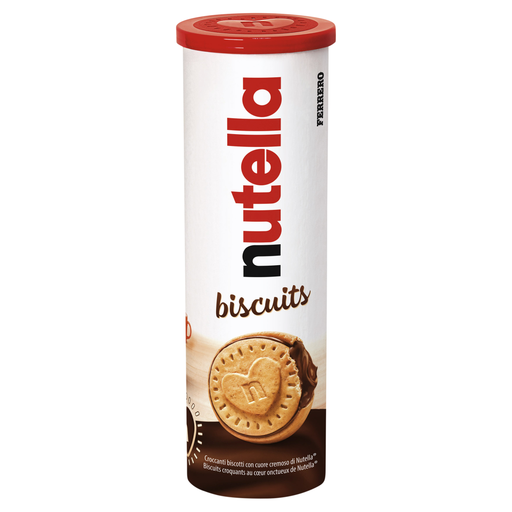 No image available
If considering this biscuit for family sharing, check the ingredients on the exact pack, particularly where a child has an allergy. Compare nutrition for the amount you plan to serve rather than the pack weight alone.
 No image available
The 5 × 20.7g format is worth checking if the family wants biscuits for separate occasions. Each unit’s size is not a toddler serving recommendation; read the allergen label and supervise eating.
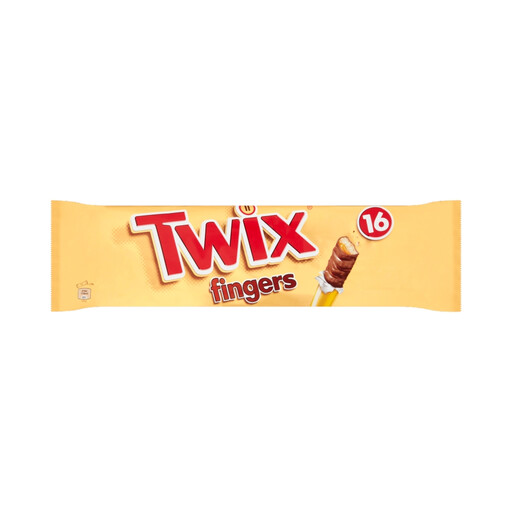 No image available
For an occasional mixed-age gathering, the stated 16 × 20g format gives you a pack size to compare with other options. Check the exact nutrition and allergens; one biscuit is not automatically an appropriate amount for a toddler.
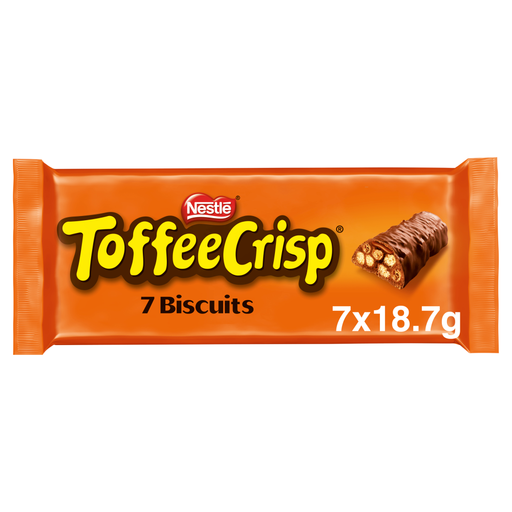 No image available
If choosing bars to share across family occasions, use the label to compare the nutrition of the amount served. Consider whether the texture is manageable for the child, and supervise them while eating.
No. A labelled serving is a basis for reading nutrition information, not toddler feeding advice. Tesco lists four servings for McVitie’s 80g loose minis and five separate 19g packs for its mini multipack; neither format decides what you should serve.
Consider its size, shape and texture, and supervise the child while eating. UK government early-years advice says young children should be supervised at all times while eating; a “mini” label does not replace that precaution.
Follow the instructions on that pack. If you expect to use it over more than one occasion, check its storage directions before choosing a loose bag instead of separate packs.
Use it to help compare products, but check the exact pack’s ingredients and precautionary statements before serving. Do not assume every chocolate biscuit, or every product from one brand, has the same allergens.
Check the particular nursery’s food policy before packing them. The NHS advises parents and carers to ask their nursery about its policies, so suitability at home does not by itself answer what the setting accepts.