Parents choosing an occasional treat
If you want a chocolate biscuit now and then, compare the sugars in the actual products and the amount you plan to offer. A reduced-sugar claim is not, by itself, toddler feeding advice.


For a regular toddler snack, the NHS suggests options such as fruit or plain unsweetened yoghurt rather than relying on a reduced-sugar chocolate biscuit. If you are choosing a biscuit as an occasional treat, compare total sugars per 100 g and per biscuit or bar, check the exact pack for allergens, and decide how much to offer; a reduced-sugar claim alone does not establish that it is intended for toddlers.
If you want a chocolate biscuit now and then, compare the sugars in the actual products and the amount you plan to offer. A reduced-sugar claim is not, by itself, toddler feeding advice.
Check the exact pack against your child’s allergens and ask the nursery what food it accepts from home. The NHS advises checking nursery food policies; guidance for food provided by early-years settings in England does not replace that practical check.
Decide whether this is a regular snack or an occasional biscuit first, then compare like-for-like nutrition figures and the amount you would serve.
| Priority | What to check | Your needs |
|---|---|---|
| Snack frequency | For a regular snack, consider the NHS’s suggestions, including fruit and plain unsweetened yoghurt. Treat a chocolate biscuit as a separate, occasional choice. | I’m choosing something for everyday snack time, not just picking a biscuit with a different pack claim. |
| Sugar figures | Compare total sugars in g per 100 g on the same basis, then check sugars per biscuit or bar and the amount you intend to offer. The NHS distinguishes the label’s total sugars from free sugars. | I want to compare the biscuits fairly while keeping sight of what my child would actually be offered. |
| Reduced-sugar claim | Read the named comparator and serving size. Ocado’s listing says belVita’s 30% less sugars claim compares with adult sweet biscuits in the UK and Portugal, excluding chocolate-filled and coated biscuits. | A claim matters to me only if I know what it compares with; I cannot apply belVita’s percentage to a coated digestive. |
| Allergens and nursery rules | Read the current pack’s ingredients and allergen declaration. Check the particular nursery’s food policy before packing a biscuit. | I need to account for my child’s allergens and find out what the setting accepts. |
| Pack and portion | Check the pack weight, the number and size of units, and any stated serving. A wrapped bar or an adult breakfast serving does not set a toddler portion. | I’d rather decide how much to offer than let a wrapper or a large pack make that decision for me. |
Ocado’s stated comparator for the belVita claim excludes chocolate-filled and coated biscuits, so that percentage does not describe a comparison with the coated digestives here.
Use the products’ stated sugars per 100 g for a same-weight comparison, then check the sugars in the portion you might offer.
A bar’s wrapper identifies one unit, while belVita states a four-biscuit, 45 g breakfast serving. Neither is a recommendation for how much to give a toddler.
Decide whether a biscuit is an occasional treat, then consider the amount offered alongside its per-unit nutrition information.
The checked products have different ingredient declarations, and Tesco warns that formulations and allergen information can change. A nursery may also have its own food policy.
Read the exact pack before serving or packing it, and ask the nursery about food brought from home.
These figures describe particular checked products, not every biscuit made by each brand.
Its Chocolate Chips 30% Less Sugar product is a breakfast biscuit, not a product presented as toddler food.
The checked 266 g Milk Chocolate Digestives pack provides a coated-biscuit comparison.
Penguin Original is an individually wrapped McVitie’s chocolate biscuit bar.
Club Orange is a McVitie’s coated biscuit bar with its own nutrition declaration.
Rocky Original is an individually wrapped, chocolate-flavoured-coated biscuit bar.
The checked 300 g Milk Chocolate Digestives pack is another coated-biscuit option.
These options include chocolate biscuits, filled biscuits and cereal bars for considering as occasional treats. Compare their exact packs rather than treating a bar, a biscuit and a reduced-sugar claim as interchangeable.
 No image available
A ginger oat biscuit with dark chocolate for an occasional-biscuit comparison. Before offering it to a child, check the pack for maltitol and its warning that excessive consumption may have a laxative effect; check the allergen declaration too.
 No image available
This is a dark-chocolate cereal bar rather than a biscuit. Its individually wrapped units make the pack easy to divide, but check the per-bar sugars and allergens and decide separately how much to offer a child.
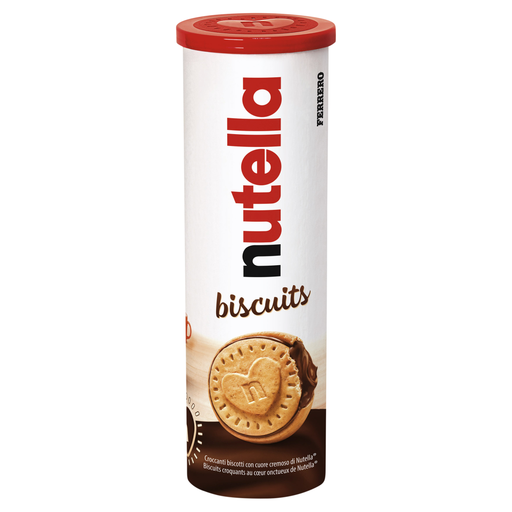 No image available
A chocolate-filled biscuit to compare with chocolate-chip or coated options. Check sugars for the amount offered and read the pack’s allergen declaration, particularly for hazelnuts, milk and wheat.
 No image available
These filled wafer biscuits come as five 20.7 g units. A wrapped unit need not be the amount offered to a toddler; check its sugars and the pack’s hazelnut, wheat and milk allergen information before serving.
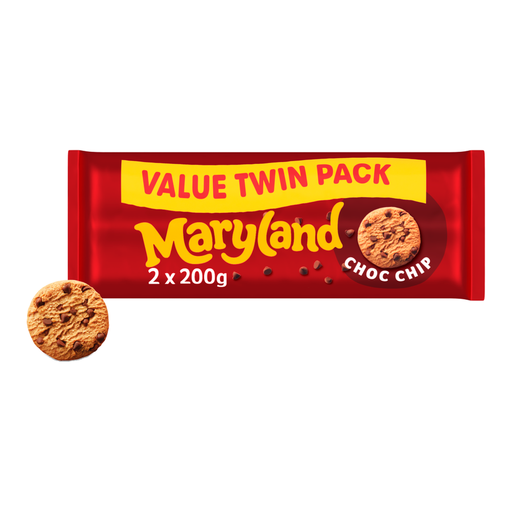 No image available
A 400 g twin pack of chocolate-chip cookies for comparing a conventional biscuit with other formats. Decide how many biscuits to offer rather than using the pack size as a serving guide, and check the allergen declaration.
The claim alone does not establish that it is suitable as an everyday snack. The NHS suggests options including fruit and plain unsweetened yoghurt for young children; if you choose a chocolate biscuit as an occasional treat, consider its sugars and the amount offered.
No. The NHS explains that the total sugars figure also includes some naturally occurring sugars, while free sugars include sugars added to food and sugars in ingredients such as syrups and fruit purées. Use the stated total sugars to compare products on the same basis, not as a measured free-sugars figure.
Read the exact pack’s ingredients and allergen information, and ask the nursery about its food policy before packing it. If your child has an allergy, make sure the setting knows about it; the NHS advises checking nursery policies for food brought in.
Follow the instructions on the pack you have. Tesco’s listing for its checked McVitie’s Milk Chocolate Digestives says to store them in a cool, dry place and use an airtight container once opened.