Bakers melting chocolate into a cake
If chocolate is going into the sponge, ganache or icing, you need to match the recipe’s chocolate type and quantity without introducing unplanned centres or pieces.


For a cake recipe that calls for melted chocolate in the sponge, ganache or icing, start with a plain bar of the chocolate type the recipe specifies. Use boxed chocolates or a bar with fillings and inclusions when those pieces are an intentional part of the bake: centres, nuts and wafers change what goes into the mixture, while every option still needs an allergen check. Cadbury publishes both general chocolate recipes and a Milk Tray bake recipe, illustrating why the recipe matters more than the packaging format.
If chocolate is going into the sponge, ganache or icing, you need to match the recipe’s chocolate type and quantity without introducing unplanned centres or pieces.
If you have an assortment left over, consider whether its individual flavours and textures belong in the recipe or would work better as deliberate toppings.
You need the ingredient and allergen information for the exact packs used, including any precautionary statements. Assorted boxes can require checking different types of piece.
Start with the recipe’s required chocolate type and how it will be used. Then check whether any additions are intentional, how much usable chocolate you need and the allergens on the pack.
Choose when: The recipe calls for chocolate to be melted into a sponge, filling or icing without added centres.
Keep in mind: A plain milk-chocolate bar is not interchangeable with the dark chocolate specified by a recipe; check the type and cocoa content.
Choose when: The recipe calls for particular boxed chocolates, or you plan to use selected pieces as toppings or inclusions.
Keep in mind: Different centres and coatings can change the result, so do not count every piece as plain chocolate.
Choose when: Nuts, fruit, biscuit or a filling are part of the intended cake or decoration.
Keep in mind: Those additions make the bar a different ingredient from the plain chocolate a recipe may specify.
| Priority | What to check | Your needs |
|---|---|---|
| Chocolate type | Match the recipe’s milk, dark or white chocolate requirement. Check any stated cocoa content and whether the chocolate is meant to be melted or used in pieces. | I want the chocolate in the cake to match the type the recipe calls for, rather than choosing by bar or box size alone. |
| Centres and pieces | Read the description for caramel, wafers, biscuits, fruit, nuts or fillings. Check whether the recipe calls for a uniform melted ingredient or identifiable pieces. | For a topping or chopped inclusion, I can choose the flavours deliberately. In a plain chocolate mixture, I would avoid additions the recipe does not call for. |
| Usable quantity | Check the recipe’s required weight against the bar size or the particular pieces you intend to use. An assortment’s total pack weight does not tell you the weight of one chosen variety. | I need enough of the right chocolate for the recipe, not simply a larger-looking pack. |
| Allergens | Check the exact pack’s ingredients, allergen declaration and ‘may contain’ statements before using it or serving the cake. Check individual varieties in an assortment where relevant. | If I am baking for someone with an allergy, I cannot assume that a plain-looking bar or a chocolate baked into a cake is suitable. |
Celebrations describes a tub containing several different treats, while Tesco describes boxed Ferrero Rocher as layered hazelnut, wafer and filling. Those are different ingredients from a plain bar.
Read the recipe’s chocolate requirement first. Save filled or assorted pieces for a recipe that calls for them, or use them as deliberate additions.
Chopping or baking a chocolate does not remove an ingredient allergen. For example, ASDA lists hazelnuts and milk in Quality Street The Purple One and precautionary statements for peanuts and other tree nuts.
Check the current pack for every chocolate used, including precautionary statements, before serving anyone with an allergy.
An assortment may contain pieces you do not want in the cake. Its total weight is not necessarily the weight of the particular chocolate you plan to melt.
Work from the recipe’s required weight and the pieces you will actually use; choose a suitable bar if the recipe needs one consistent chocolate ingredient.
Compare a plain Dairy Milk bar with Cadbury’s assorted chocolates according to the recipe, not the shared brand name.
Consider the assortment when its different treats are meant to appear in the bake or decoration.
Choose a particular piece for its intended flavour rather than treating it as plain chocolate.
Cadbury presents Roses as a tub of assorted milk chocolates, which makes the choice of individual pieces relevant to a bake.
Heroes is an assortment of chocolates and toffees, according to Waitrose & Partners.
Ferrero’s named bar and boxed Rocher chocolates suit recipes that deliberately call for their nut and filling combinations.
These Joybuy options are single bars or blocks: two for recipes calling for a plain chocolate type, and three to consider when fruit, nuts or a filling are intentional. Match the chocolate type, quantity and current pack information to your recipe.
 No image available
Consider this 100g bar when a cake recipe calls for dark cooking chocolate at 70% cocoa. It is a different chocolate type from milk chocolate; check the current pack’s allergen information before serving.
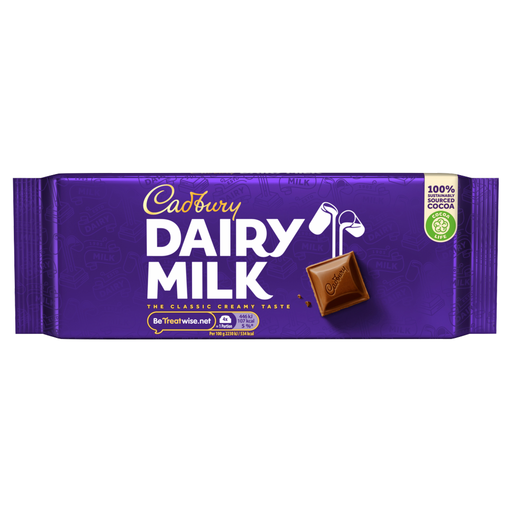 No image available
This 180g single bar is an option when the recipe calls for milk chocolate without a chosen nut or fruit inclusion. Check the required chocolate type and weight, then read the current pack for allergens.
 No image available
Choose this 180g milk-chocolate bar only if nuts belong in the planned bake or topping. It is not a plain chocolate ingredient; check the current pack’s nut and other allergen declarations.
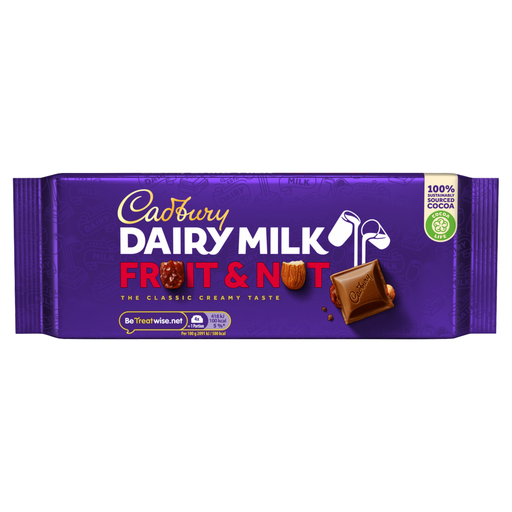 No image available
This 180g bar belongs in a recipe where fruit and nuts are intentional additions, rather than one asking for plain milk chocolate. Check its current ingredients and allergen declaration; do not assume it is suitable for a vegan bake.
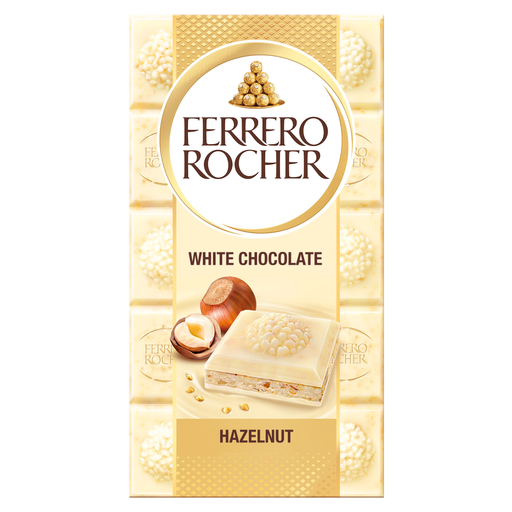 No image available
Consider this 90g filled block for a recipe that deliberately uses its white-chocolate and hazelnut combination. Do not substitute it for plain melted white chocolate without checking the recipe and product directions; read the current allergen declaration.
Use a plain bar when the recipe calls for melted chocolate of a specified type and you do not want assorted centres in the batter. A box can be appropriate when the recipe names it—Cadbury publishes a Milk Tray bake recipe—or when particular pieces are planned as toppings.
Yes, when the recipe or decoration is planned around the pieces you choose. Check their centres and coatings before substituting them for plain chocolate, remove the wrappers and read the current pack’s ingredient and allergen information.
Yes. Baking an ingredient into a cake does not remove its allergen ingredients. Check the physical packs used, including ‘may contain’ statements, before serving anyone with an allergy.