Fridge-cake makers
If your recipe needs broken biscuits or crumbs, decide whether the coating should contribute chocolate alongside any chocolate added separately. Tesco Recipes’ fridge cake uses plain digestives and separately added chocolate.


For a fridge cake or crushed base, consider chocolate-coated digestives when you want the biscuits to contribute both pieces and chocolate, but treat a recipe written for plain digestives as an adaptation rather than a like-for-like swap. Choose coated rounds for distinct pieces, or filled bars when their flavour is part of the plan. If you are baking biscuits from dough, cool them before adding a chocolate coating, as in Good Food’s digestive recipe.
If your recipe needs broken biscuits or crumbs, decide whether the coating should contribute chocolate alongside any chocolate added separately. Tesco Recipes’ fridge cake uses plain digestives and separately added chocolate.
If the pieces need to stay recognisable, consider the biscuit’s shape and whether a cream filling or orange flavour belongs in the finished dessert.
If you are baking biscuits from dough and want a chocolate top, Good Food’s digestive recipe calls for the baked biscuits to cool completely before they are dipped in melted chocolate.
Start with the biscuit’s role in the recipe: crumbs, visible pieces and a coating added after baking call for different choices.
| Priority | What to check | Your needs |
|---|---|---|
| Recipe fit | Check whether the recipe specifies plain biscuits or ones already coated in chocolate. Tesco Recipes’ fridge cake uses 250g plain digestives and adds chocolate separately; a coated version changes the ingredients used. | I’m making a crumb base or fridge cake and want to decide whether chocolate on the biscuits belongs in it. |
| Shape and filling | Distinguish half-coated digestives from coated shortcake rounds and filled bars. The cited Penguin Original has chocolate-flavoured cream; the cited Club Orange has orange-flavoured cream, according to their Tesco listings. | For visible pieces, I want a shape and filling that make sense in the finished dessert, rather than a biscuit chosen only for its coating. |
| Chocolate type | Check the exact variety and coating description. Tesco lists 30% chocolate for each of its cited milk- and dark-chocolate digestives; its Penguin and Club listings describe chocolate-flavour coatings. | I want to choose the intended chocolate type or added flavour without treating these different biscuits as interchangeable. |
| Allergens | Read the particular pack’s ingredients and precautionary statements, then check the other dessert ingredients. The cited Tesco dark digestives carry a milk precaution; its Fox’s Milk Chocolate Rounds listing carries a nuts-and-peanuts precaution. | Someone eating the dessert has an allergy, so I need to check the exact products used, not rely on a variety name. |
| Quantity and storage | Compare the recipe quantity with the pack weight. Follow the biscuit pack’s opened-pack instructions and the finished dessert recipe’s chilling and storage directions separately. | I need enough of the right biscuit for the recipe and appropriate storage once the dessert is made. |
| Coating stage | For biscuits baked from dough, follow the recipe’s sequence. Good Food’s digestive method cools the baked biscuits completely before dipping their tops in melted chocolate. | I’m making the biscuits myself and want to add a chocolate top after baking. |
Tesco Recipes’ fridge cake specifies plain digestives and adds chocolate separately. A coated digestive brings chocolate into the biscuit portion of that recipe.
Choose the recipe first, then decide whether its chocolate ingredients need adapting; do not assume the substitution will give the same result.
The cited products include half-coated digestives, coated shortcake rounds and cream-filled bars. Their biscuit bases and added flavours differ.
Match the biscuit’s structure, coating and any filling to whether you need crumbs or distinct pieces.
Ingredient and precautionary information differs between varieties, and retailer listings warn that formulations can change.
Read the particular pack before use and account for every ingredient in the finished dessert.
These examples illustrate different biscuit formats; a characteristic listed for one product should not be assumed for the rest of its brand’s range.
Milk- and dark-chocolate digestives to consider when a digestive biscuit suits the dessert.
McVitie's filled biscuit bars for desserts intended to include a cream-filled piece.
McVitie's coated bars for a dessert that deliberately includes orange flavour.
Coated shortcake rounds to consider when separate pieces suit the dessert.
Own-label half-coated milk- and dark-chocolate digestives in the cited 300g packs.
Own-label milk-chocolate digestives as another biscuit format to compare with a recipe.
These options include chocolate digestives for recipes using biscuit pieces or crumbs, plus orange-flavoured biscuits and bars to consider when distinct pieces or that flavour are wanted. Check a recipe written for plain digestives before substituting a coated variety.
 No image available
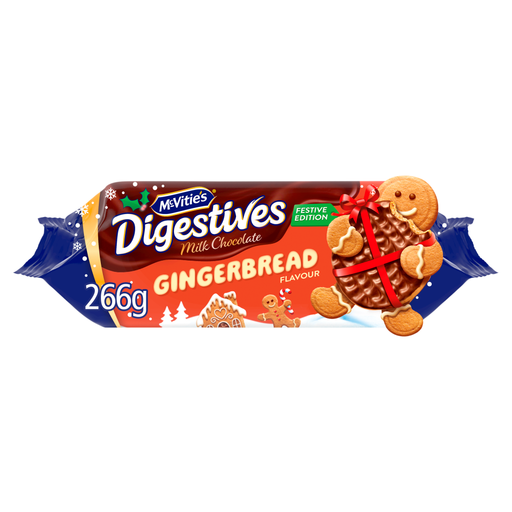
Consider these digestives for biscuit pieces or crumbs when gingerbread flavour belongs in the dessert. If the recipe specifies plain digestives, account for the chocolate coating rather than assuming a direct swap.
 No image available
A dark-chocolate digestive option for biscuit pieces or crumbs when that chocolate type suits the recipe. McVitie's lists 30% dark chocolate for its Dark Chocolate Digestives; its ingredient list also includes milk, so check the particular pack for allergy suitability.
 No image available
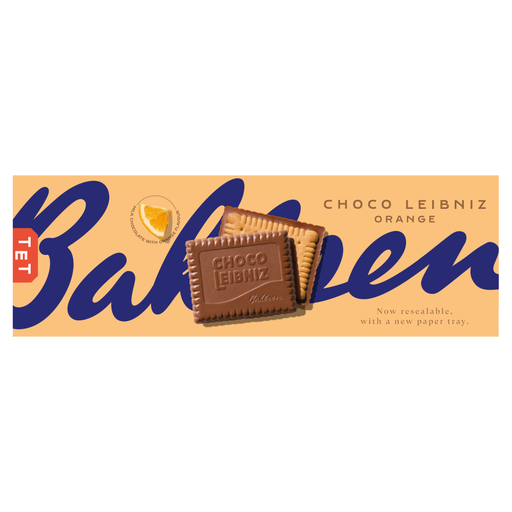
Consider these orange chocolate biscuits when you want identifiable pieces rather than a digestive crumb base. Check the pack’s ingredients and allergy information before adding them to a dessert.
 No image available
These milk-chocolate digestives suit consideration for a dessert using broken biscuit pieces or crumbs. McVitie's lists 30% milk chocolate for this variety; a recipe specifying plain digestives will need its chocolate ingredients considered separately.
 No image available
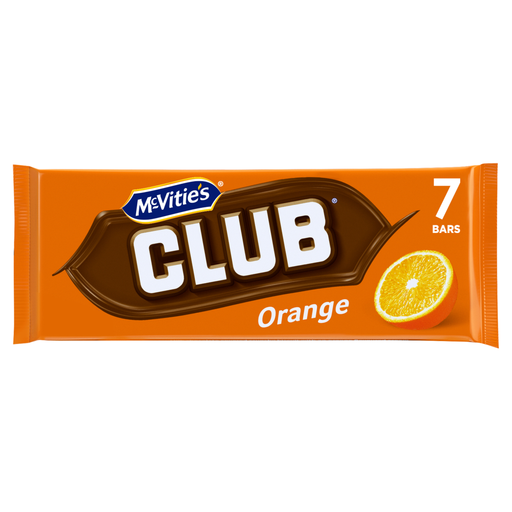
The bar format is an option for separate pieces when orange flavour is intentional. It is a different choice from unfilled digestives for a crumb base; check this pack’s filling and coating descriptions against the recipe.
Bake and cool them first if you are following Good Food’s homemade digestive method. It calls for the biscuits to cool completely before their tops are dipped in melted chocolate; it does not establish a method for reheating shop-bought coated biscuits.
Do not assume so from the words ‘dark chocolate’. Tesco’s cited dark-chocolate digestives say ‘May contain milk’, while McVitie's lists butter oil (milk) in its dark-chocolate digestives. Check the particular pack and every other dessert ingredient against the eater’s needs.
Follow the finished recipe’s directions rather than applying opened-biscuit instructions to the dessert. Tesco advises keeping its opened milk-chocolate digestives in an airtight container, while its fridge-cake recipe calls for chilling the prepared cake until the chocolate sets.
Read the particular pack before using the biscuits. Tesco and Sainsbury's warn that product ingredients can change, so a listing should not replace the pack label, especially when an allergy affects the choice.