Bakers adding their own chocolate
Plain digestives let you choose the chocolate and how much to apply. If you bake the biscuits themselves, Good Food’s method calls for cooling them completely before coating their tops.


Choose ready-coated digestives when their existing chocolate suits a topping, crumb or biscuit served alongside a bake. Start with plain digestives and add your own chocolate when the recipe calls for control over the type or thickness of the coating; Good Food’s digestive-biscuit method cools the baked biscuits completely before coating them. Whichever route you take, check the exact pack’s ingredients and allergens.
Plain digestives let you choose the chocolate and how much to apply. If you bake the biscuits themselves, Good Food’s method calls for cooling them completely before coating their tops.
A ready-coated digestive supplies biscuit and chocolate in one ingredient for breaking up, decorating or serving. Choose a coating and flavour that fit the recipe, since the amount and type of chocolate vary between products.
Check the current pack before using biscuits in food for others. Dark chocolate is not, by itself, a dairy-free indication: the examined Tesco dark chocolate digestives may contain milk. Tesco’s examined plain digestives are labelled suitable for vegans but may contain peanuts and nuts.
Decide how much control the recipe needs, then compare the chocolate format and the exact pack’s ingredient and storage information.
| Priority | What to check | Your needs |
|---|---|---|
| Coating control | Decide whether the ready-applied coating suits the recipe or whether you need to choose and add chocolate separately. For a freshly coated biscuit, Good Food’s method coats it after baking and cooling. | I want to choose the chocolate or coating thickness myself, so a plain biscuit and a separate coating step make more sense. |
| Chocolate format | Read the stated chocolate proportion and any cocoa-solids wording for the particular product. Tesco lists 30% dark chocolate with at least 48% cocoa solids in that chocolate; Sainsbury’s lists 27% dark chocolate with at least 35% cocoa solids in its chocolate. | For a ready-coated topping, I need its existing chocolate and biscuit flavour to fit the finished bake. |
| Allergens | Read the current pack’s ingredients and precautionary statements, including those for milk, soya, wheat and other relevant allergens. Do not infer suitability from a dark coating or from another product in the same range. | If I am baking for someone with a dietary requirement, I need to check the exact biscuits and any chocolate I add separately. |
| After opening | Check the pack’s storage and consumption instructions if the biscuits will be used over several bakes. ASDA’s examined dark chocolate digestives specify consumption within seven days of opening. | Will I use the whole pack now, or keep some for a later topping or decoration? |
A ready-coated biscuit already has a fixed chocolate type and amount. It does not give the same control as adding a separate chocolate finish after baking.
Use plain digestives when you need to choose the final coating; use ready-coated ones when their existing flavour and texture suit the result.
The examined Tesco dark chocolate digestives may contain milk, while ASDA’s examined dark variant lists milk among its allergens.
Read the current physical pack, including its precautionary statements, before baking for someone with an allergy or intolerance.
A smaller pack or a more chocolate-forward biscuit does not tell you how much usable biscuit the recipe calls for.
Work out the quantity needed and compare the current pack information and chocolate format before choosing.
Storage instructions matter when biscuits are kept for a later topping or decoration; instructions can differ between products.
Follow the chosen pack’s storage guidance. ASDA’s examined dark chocolate digestives specify consumption within seven days of opening.
These details describe the particular products named, not every digestive sold under each brand.
The examined range includes standard milk chocolate digestives and a Seriously Chocolatey variant with a cocoa-flavoured biscuit.
The examined products offer a choice between plain digestives and ready-coated dark chocolate digestives.
Its examined own-brand dark chocolate digestives are a ready-coated option.
The examined own-brand milk and dark chocolate digestives each have a stated coating proportion.
The examined milk chocolate digestives combine a wholemeal biscuit, chocolate coating and demerara sugar.
The examined Crawford's product is a plain digestive reference for recipes that add chocolate separately.
These options include plain digestives for adding your own chocolate and coated digestives for recipes that suit an existing chocolate or gingerbread flavour.
 No image available
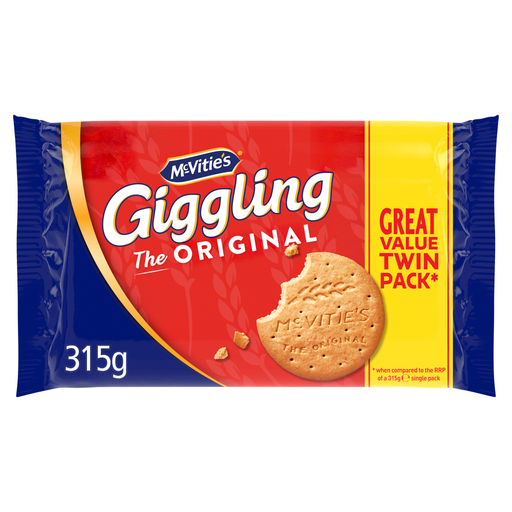
A plain digestive option when you want to choose and apply the chocolate separately. The listed bundle contains two 315g packs; check the current pack’s ingredients before use.
 No image available
A ready-coated dark chocolate option for a topping or biscuit component. The listed twin pack contains two 266g packs; check its current allergen statement rather than assuming dark chocolate is dairy-free.
 No image available
A ready-coated milk chocolate digestive for recipes that can use its existing coating. The listed pack is 400g; check its own label for the coating proportion and allergens rather than using figures from another pack size.
 No image available
A plain digestive option if you plan to add your own chocolate. The listed pack is 400g; assess the finished recipe using the labels of both the biscuits and any chocolate you add.
 No image available
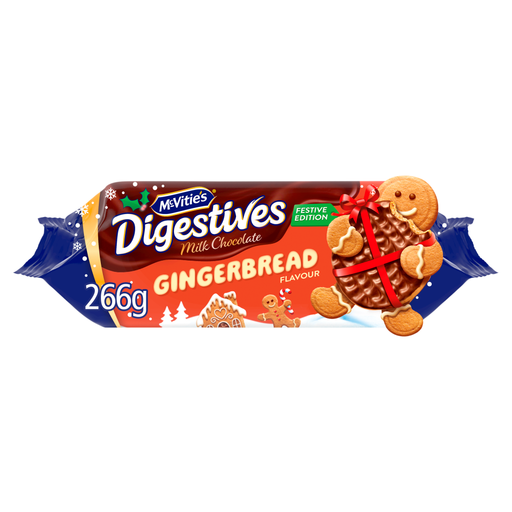
A chocolate digestive with gingerbread flavour for a recipe that calls for that additional flavour. The listed pack is 266g; choose a plainer biscuit if gingerbread would change the intended result.
Use a post-bake coating step if the recipe calls for a neat finish. Good Food’s digestive-biscuit method bakes the biscuits, lets them cool completely, then dips their tops in melted chocolate. A ready-coated biscuit is better treated as an ingredient with an existing coating, not as the same step.
Not necessarily. Tesco’s examined dark chocolate digestives may contain milk, and ASDA’s examined dark variant lists milk. Check the current exact pack and its precautionary statements before serving biscuits to someone avoiding dairy.
Compare the stated chocolate proportion, any cocoa-solids wording, ingredients and allergens, and whether the coating’s flavour and texture fit the recipe. For example, Sainsbury’s lists 27% dark chocolate for its examined digestives, while Marks & Spencer lists 32% milk chocolate and describes demerara sugar on its examined product; those figures describe different products, not an overall quality ranking.
Follow the storage and consumption instructions on that pack. The examined ASDA dark chocolate digestives specify consumption within seven days of opening; do not assume the same period applies to every digestive.