Hosts planning portions
Smaller thins, eight-piece coated biscuits and cookies listed by the serving call for different quantity plans. Compare pieces or stated servings per pack, not pack weight alone.


Choose the biscuit format around how you plan to serve it: Waitrose & Partners lists 10 smaller dark-chocolate thins per pack, while its separate coated shortcake-style biscuits come in a pack of eight. Coated ginger biscuits, stem-ginger cookies and chocolate digestives are different choices, so check the description rather than assuming each is a ginger nut. Before ordering for the buffet, use the chosen pack's portion count, storage instructions and allergen label, and check delivery availability for your event date.
Smaller thins, eight-piece coated biscuits and cookies listed by the serving call for different quantity plans. Compare pieces or stated servings per pack, not pack weight alone.
A coated ginger biscuit, a stem-ginger cookie and an oat-based biscuit are distinct formats. Chocolate finishes also vary, so choose the combination you want to put on the table.
Check each delivered product's ingredients and allergen information against guests' requirements. If several biscuits are served, keep their identities and information clear.
Choose the serving format first, then work out quantities and check the packs that will be served.
| Priority | What to check | Your needs |
|---|---|---|
| Biscuit style | Check whether it is a coated ginger biscuit, a shortcake-style biscuit, a stem-ginger cookie or a digestive. Compare dark and milk chocolate finishes where offered. | I'd choose a coated ginger-biscuit base if that is what guests will expect, rather than assuming a gingerbread-flavoured digestive is the same thing. |
| Portions | Use the stated pieces or servings per pack. Waitrose & Partners lists 10 biscuits for its No.1 thins and eight for its separate coated ginger biscuits; Sainsbury's lists eight servings for its Taste the Difference cookies. | For a buffet with small individual biscuits, I'd plan by piece count. If I choose cookies, I'd use that product's stated servings instead. |
| Allergens | Read the delivered pack's ingredients and precautionary statements. A dark-chocolate coating or gluten-free label does not answer questions about milk, soya or nuts. | When guests have dietary requirements, I need to identify each biscuit and keep its allergen information available at the buffet. |
| Storage | Follow the selected pack's storage directions before and after opening. Check its date and the delivery options against the event plan. | If I'm setting up ahead of service, I want to know how the opened biscuits should be stored. |
Thins, coated shortcake-style biscuits, stem-ginger cookies and plain Ginger Nuts differ in format; the plain biscuits do not meet a chocolate-coated request.
Read the product description and its stated pieces or servings before deciding what belongs on the buffet.
Prewett's gluten-free-labelled chocolate-and-ginger cookies contain milk and may contain nuts, according to the Waitrose & Partners listing. Other coated biscuits have their own ingredient statements.
Check each delivered pack against guests' requirements and make it clear which information belongs to which biscuit.
Waitrose & Partners lists 10 thins in one pack and eight larger coated ginger biscuits in a separate pack. Weight alone does not tell you how many individual biscuits you can set out.
Plan from the selected product's count or stated servings, then check availability for the event date.
Border has listed dark- and milk-chocolate-coated ginger biscuits.
Waitrose & Partners lists dark-chocolate ginger thins and separate coated, shortcake-style ginger biscuits.
Its Taste the Difference listing is for dark-chocolate-coated stem-ginger cookies.
M&S lists a dark-chocolate ginger biscuit with an oat base.
Waitrose & Partners lists Prewett's gluten-free-labelled chocolate-and-ginger cookies.
The Ginger Nuts pack listed by Tesco is a plain, uncoated ginger biscuit.
These options cover a coated ginger biscuit, a gingerbread-flavoured chocolate digestive and a chocolate-coated ginger oat biscuit. Check the format of each before choosing it for a ginger-nut display.
 No image available
A dark-chocolate ginger-biscuit option if you want that format rather than a cookie or digestive. Check the pack's biscuit count when planning portions, and its wheat, milk and soya information against guests' requirements.
 No image available
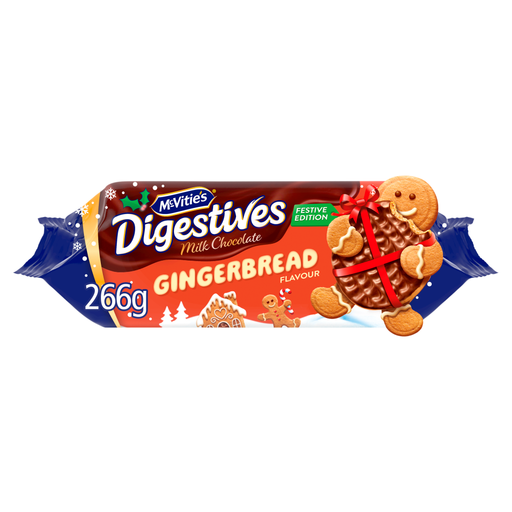
A gingerbread-flavoured chocolate digestive, not a traditional coated ginger nut. If this format suits the buffet, use the delivered pack's biscuit count to plan portions and check its allergen label before serving.
 No image available
An oat-biscuit format rather than a traditional ginger nut. Its product information warns that excessive consumption may produce a laxative effect, which matters when choosing biscuits for open buffet service; read the delivered pack and check its count before deciding whether to serve it.
Start with the number of biscuit portions you intend to offer, then use the chosen product's stated pieces or servings per pack to calculate whole packs. Waitrose & Partners lists 10 biscuits for its thins, while Sainsbury's lists eight servings for its cookies; those are different serving formats.
The listed biscuits can be put out for serving without a preparation step. Follow their pack storage directions and keep the packaging available so the ingredients and allergens can be checked for the particular product.
Follow the directions on the packs supplied. The checked Waitrose, Sainsbury's and Border listings call for cool, dry storage and airtight storage after opening.
A best-before date concerns quality, rather than being the same as a use-by date, which concerns safety, according to GOV.UK food-labelling guidance. Check the delivered packs' dates and storage directions when planning the event.
If a food business supplies the buffet, it must provide information about regulated allergens used as ingredients, including for non-prepacked food. Food Standards Agency guidance published via GOV.UK applies to England, Wales and Northern Ireland; Food Standards Scotland states the requirement for Scottish food businesses. For non-prepacked food, the Food Standards Agency recommends written information supported by a conversation as best practice.