For a longer ride, chocolate-coated shortbread can be a snack to count within a carbohydrate plan, but the amount per portion matters more than the extent of the coating. British Cycling advises spreading carbohydrate intake across small feeds on a big ride; choose a portion you can carry and eat practically, and check its fat content and allergens. For most indoor sessions under an hour, British Cycling says additional food during the session is usually unnecessary.
Who is this for?
Riders planning food for a long ride
Check how much carbohydrate each biscuit contributes to your ride plan rather than counting sweet biscuits as interchangeable portions. British Cycling’s big-ride guidance gives a range of 0.5–1 g carbohydrate per kg bodyweight per hour, depending on intensity, spread across small feeds every 20–30 minutes.
Commuters and leisure cyclists
A small biscuit may be something to carry for a break or eat after cycling. Whether food is needed during the ride is a separate question: British Cycling says most indoor sessions under an hour should not require additional food during the session.
Riders checking ingredients and allergens
Chocolate shortbread varies by recipe. Check the current pack for ingredients and allergen warnings, especially when choosing between conventional and gluten-free products; a gluten-free label does not mean the biscuit is free from milk, soya or oats.
What should you check?
Start with the ride and the portion you intend to carry, then compare the exact product labels on the same per-biscuit or per-100-g basis.
| Priority | What to check | Your needs |
|---|
| Carbohydrate per portion |
Read the carbohydrate value for one biscuit and its stated serving weight. British Cycling advises 0.5–1 g carbohydrate per kg bodyweight per hour for a big ride, depending on intensity, divided into small feeds every 20–30 minutes. |
On a long ride, I want to know what each biscuit contributes to the food I have planned to carry. A single portion need not cover an hour’s intake. |
| Pack format |
Check whether portions are individually packed or need dividing before you leave, and whether you can open the pack at a stop. British Cycling notes that eating regularly while riding can be challenging. |
I would rather carry portions I can count and get to easily than work out a serving from a large pack at the roadside. |
| Ingredients and allergens |
Read the current ingredients and emphasised allergens on the pack. Check wheat, oats, milk and soya where relevant, along with any nut or peanut warning for the exact product. |
If I need to avoid an ingredient, the full label matters more than a product name or a gluten-free claim alone. |
| Coating and nutrition basis |
Distinguish fully coated, half-coated and chocolate-chip biscuits. Compare carbohydrate, fat and saturates using matching per-portion or per-100-g figures; do not transfer one variant’s values to another. |
For a planned ride snack, I want the figures for the portion I will actually eat. For a break-time treat, the type of chocolate biscuit may matter more to my choice. |
Common buying mistakes
-
Counting one sweet biscuit as a complete ride plan
A Cadbury Snack Shortcake biscuit contains 13 g carbohydrate per 20 g biscuit, according to Sainsbury’s. That figure needs to be considered alongside the rest of the food planned for a long ride, not treated as an hourly total.
Work out the portions you intend to carry, then read the carbohydrate value for each exact product.
-
Comparing a large biscuit only by its per-100-g label
Sainsbury’s lists 37.6 g carbohydrate, 15.3 g fat and 9.8 g saturates per Chunky Belgian Chocolate Shortbread. Its per-piece figures describe what eating one whole biscuit contributes.
Check both the per-piece and per-100-g columns, and divide a large biscuit before leaving if you plan to eat only part of it.
-
Assuming gluten-free means free from other allergens
Tesco describes its half-coated Free From shortbread as gluten free, but the product information also lists oat flour, milk and soya. Other coated products have different ingredient and allergy warnings.
Use the current physical-pack ingredient list and allergen statement for the exact biscuit you are buying.
-
Relying on an earlier product listing
A product page cannot establish that a biscuit will be available when you prepare for a ride. The checked Cadbury Snack Shortcake and Tesco Free From listings showed those products out of stock at the time.
Confirm availability and the exact pack before depending on a particular biscuit for an event-day food plan.
Relevant brand and retailer ranges
These examples distinguish coated shortbread from chocolate-chip and bakery formats; a brand’s range does not establish the nutrition or availability of every variant.
Walker’s
Walker’s lists Milk Chocolate Coated Shortbread Fingers alongside chocolate-chip and assorted shortbread formats.
- The current Walker’s range identifies a coated-finger option.
- Check the nutrition and serving information on the exact pack before counting it towards a ride plan.
Dean’s
Dean’s Chocolate Chip Shortbread Rounds are a chip-based alternative, not a coated biscuit.
- Dean’s publishes 59.0 g carbohydrate and 29.0 g fat per 100 g for its 130 g rounds pack.
- Its listed ingredients include wheat flour, butter and soya lecithin; check the full pack label for individual requirements.
M&S
M&S lists Scottish shortbread rounds fully coated in Belgian milk chocolate.
- The product information gives 59.2 g carbohydrate, 31.0 g fat and 19.1 g saturates per 100 g.
- M&S says the rounds are not suitable for people with nut or peanut allergies; check the current pack.
Waitrose
Waitrose lists a four-pack of all-butter bakery shortbreads with Belgian milk and dark chocolate chunks.
- The listing identifies the chunk format clearly for shoppers who do not require a coating.
- Check the pack for portion nutrition and allergens before using it in a ride plan.
Tesco
Tesco’s Free From Belgian Chocolate Coated Shortbread is described as gluten free and half coated.
- Tesco gives per-biscuit values, including 3.4 g fat, 2.0 g saturates and 4.4 g sugars.
- The product contains oat flour, milk and soya ingredients; confirm the current label and availability.
Sainsbury’s
Sainsbury’s lists a four-pack of chunky shortbread with Belgian milk and dark chocolate pieces rather than a chocolate coating.
- Its per-shortbread panel lists 37.6 g carbohydrate and 15.3 g fat, making the whole-piece portion clear.
- Sainsbury’s allergy advice says the product is not suitable for customers with wheat/gluten, peanut, soya, milk or nut allergies.
Joybuy biscuit options
These Joybuy options are chocolate biscuits, wafers and sticks to consider for a ride break or portion-planning check; they are not the chocolate-coated shortbread products discussed above. Read each exact pack’s nutrition and ingredients before deciding whether it fits your ride.
 No image available
Tunnocks Milk Chocolate Caramel Wafer 8 Pack
The eight-pack offers wafer bars to consider when planning portions for a ride break. It is a caramel wafer rather than shortbread; check the per-bar nutrition, wrapping and allergen label for the pack you buy.
View on Joybuy
 No image available
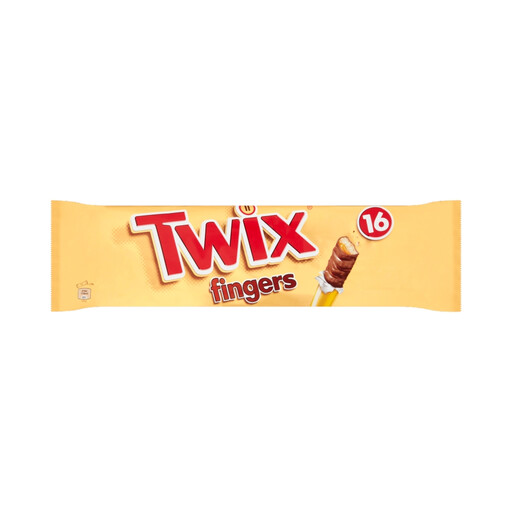
Twix Chocolate and Caramel Biscuits, 16 × 20 g
The stated 20 g biscuit size gives you a portion to match against the carbohydrate value on the current pack. These are caramel-layered biscuits, not shortbread; also check the wrapping and full allergen statement.
View on Joybuy
 No image available
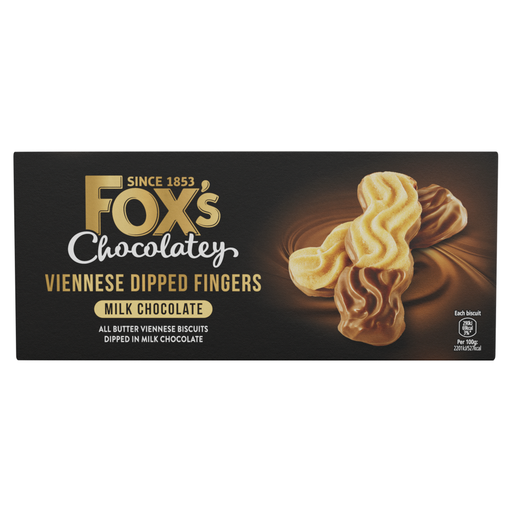
Fox’s Milk Chocolate Viennese 105 g
This Viennese biscuit is an option to consider for a stop rather than a substitute for checking shortbread portions. The pack is 105 g; check its serving information and ingredients before carrying it for a ride.
View on Joybuy
 No image available
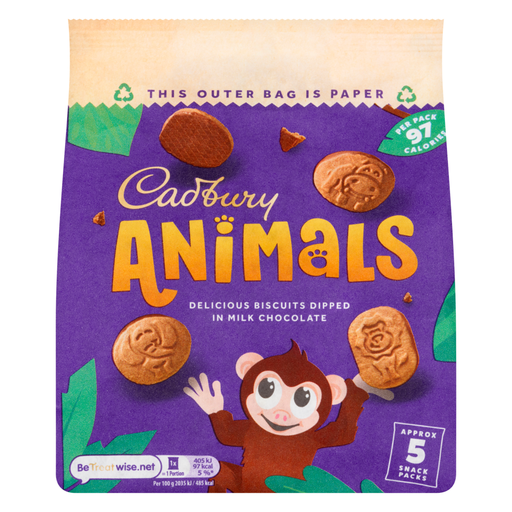
Cadbury Mini Animals Biscuits 99.5 g
For a small biscuit snack, check the serving information on this 99.5 g pack before deciding how much to carry. Mini Animals are not shortbread, so use their own nutrition and ingredient label rather than shortbread figures.
View on Joybuy
 No image available
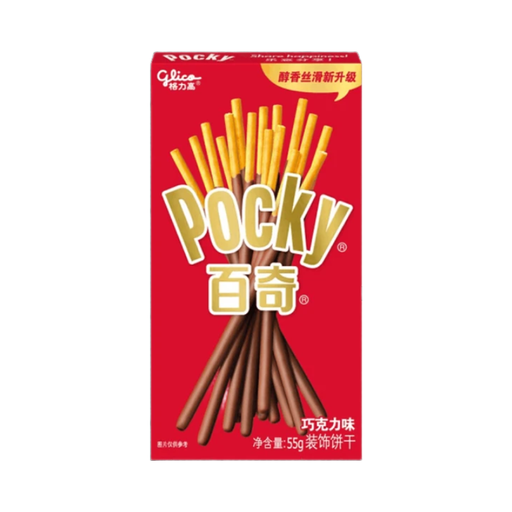
Glico Pocky Chocolate Flavour Biscuit Sticks 55 g
Biscuit sticks offer a different format for a ride break, though handling several sticks may be less practical while cycling. This is a 55 g pack, not shortbread; check its serving and allergen information.
View on Joybuy
Questions about cycling snacks
Can chocolate-coated shortbread replace gels or sports bars on a long ride?
Not without checking the amount and your wider food plan. British Cycling advises 0.5–1 g carbohydrate per kg bodyweight per hour on a big ride, depending on intensity, spread across small feeds every 20–30 minutes. Sainsbury’s lists 13 g carbohydrate in one 20 g Cadbury Snack Shortcake biscuit; compare the exact biscuit’s portion with what you plan to carry.
Do I need shortbread for a ride lasting about an hour?
Not necessarily. British Cycling says most indoor cycling sessions under an hour should not need additional food during the session, although hydration remains important. Consider the demands of your own ride rather than buying a biscuit simply because you are cycling.
Is gluten-free coated shortbread free from other allergens?
No. Tesco describes its Free From coated shortbread as gluten free, but its product information also lists oat flour, milk and soya ingredients. Check the current physical-pack ingredients and allergen statement against your own requirements.
What changes when shortbread has chocolate chips instead of a coating?
Chocolate-chip shortbread has chocolate pieces in the biscuit, while a coated product has chocolate on its exterior. Dean’s Chocolate Chip Shortbread Rounds and M&S fully coated Scottish Shortbread Rounds are different products with their own ingredients and nutrition panels; use the exact variant’s label when planning a portion.


