
24/7 Customer Support

Free returns

Same-day & Next-day Delivery

Quality Guaranteed

Unlock Your Welcome Offers: FREE Delivery | Up to 80% OFF | Free 30-day JoyPlus trial
Download the APP
Choosing between drinking chocolate, cocoa powder, dark chocolate and chocolate confectionery can be surprisingly difficult. Packaging often uses phrases such as “premium”, “natural” or “low sugar” without making the most important details easy to compare.
The right choice depends on how you intend to use it: a quick breakfast drink, home baking, an occasional snack, a gift or an unsweetened ingredient. This guide from the Joybuy Product Recommendation Officer focuses on the details that help UK shoppers avoid waste and choose more confidently.
A high cocoa percentage usually tells you how much of the recipe comes from cocoa ingredients, but it does not automatically mean the product is low in calories, fat or sugar. For example, dark chocolate products can still be energy-dense because of their cocoa butter content.
Compare the sugars per 100g, serving size and ingredient list rather than relying on the front-of-pack percentage alone. Lindt Excellence 85% Cocoa Dark lists 15g of sugars per 100g, while Lindt Excellence 90% Cocoa Supreme Dark lists 7g per 100g. Neither should be treated as a “free from” product, and portion size still matters.
A low-sugar chocolate drink may use sweeteners, soluble fibre or other ingredients to alter its nutritional profile and texture. Cadbury Highlights Milk Chocolate Drink, for instance, lists sucralose and acesulfame K, alongside cocoa, milk ingredients and fibre.
Read the full ingredients panel if you are avoiding particular sweeteners, milk ingredients or additives. Also check the preparation instructions, since nutritional values may refer to the powder alone or to a prepared drink.
Chocolate and cocoa products commonly contain or may contain milk, soya, nuts, peanuts, gluten or barley. This applies to chocolate malt drinks, filled truffles, chocolate chips and some cocoa powders.
Allergen information can vary between products, even within the same category. Always check the physical packaging before consumption, particularly when buying for children, guests or anyone with an allergy or intolerance.
Use the UK nutrition table to compare products on a like-for-like basis. Check:
A serving can be much smaller than the amount someone actually uses. Three teaspoons of drinking chocolate mixed with milk will have a different nutritional value from the powder alone, so follow the preparation details when comparing options.
Ingredients are listed by weight, starting with the largest amount. If sugar appears first in a hot chocolate powder, it is a major component of the recipe. In contrast, Naturya Organic Cacao Daily Wellness Support Powder lists 100% organic cacao powder, with no added sugar stated in the supplied product information.
For vegan, vegetarian or gluten-free requirements, do not rely solely on a front-of-pack symbol. Check the current allergen declaration and manufacturing advice. For example, Milo products contain barley and milk, while Lindt Lindor Dark 70% Cocoa contains milk, soya and barley despite being a dark chocolate product.
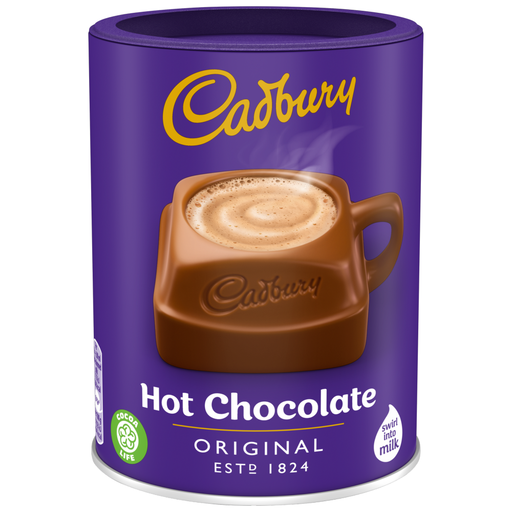
Why This Fits Their Persona: A familiar-style drinking chocolate for straightforward preparation with hot milk, suitable for keeping in a UK kitchen cupboard.
The ingredients and nutrition panel clearly show sugar and cocoa powder, helping shoppers avoid assuming it is an unsweetened cocoa product.
Suitable for vegetarians; designed to be stirred into hot milk; 250g pack size.

Why This Fits Their Persona: A compact dark chocolate bar for slow tasting, dessert preparation or thoughtful gifting.
The 85% cocoa solids figure is stated alongside the ingredient list, so it is easier to distinguish cocoa content from vague premium wording.
85% minimum cocoa solids; suitable for vegetarians; 100g bar format.
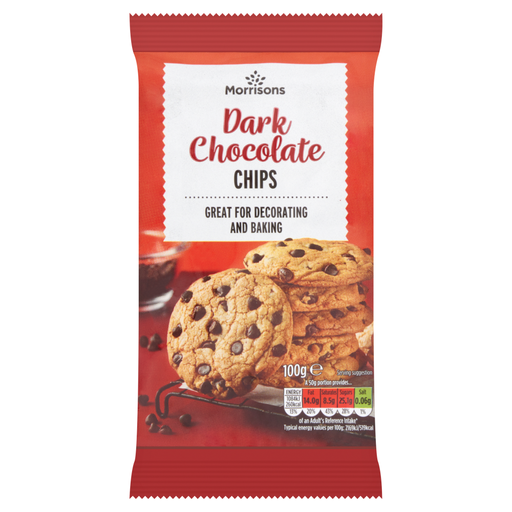
Why This Fits Their Persona: A practical ingredient for frequent home bakers making biscuits, muffins, brownies or decorative toppings.
The product is clearly positioned for baking and decoration, rather than being mistaken for a ready-to-eat low-sugar snack.
50% minimum cocoa solids; suitable for vegetarians; designed for decorating and baking.
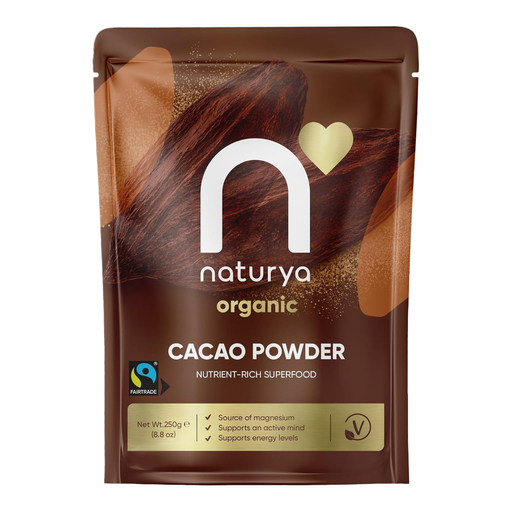
Why This Fits Their Persona: A flexible pantry ingredient for shoppers who want unsweetened cacao in smoothies, porridge, baking or homemade hot drinks.
The ingredient declaration states 100% organic cacao powder, so shoppers can add their own milk or sweetener instead of buying a pre-sweetened mix.
100% organic cacao powder; vegan-friendly and gluten-free according to the supplied product information; 250g pouch.
We have compiled a complete, real-time list of products that fully satisfy these strict selection criteria and UK safety regulations.
No. Drinking chocolate is usually blended with sugar and may include milk powders, flavourings or thickeners for a smoother prepared drink. Cocoa powder is generally a more concentrated ingredient and may be unsweetened. Check the ingredient list before substituting one for the other in a recipe.
Most products should be kept in a cool, dry place away from direct sunlight, heat and strong odours. Reseal powders and cacao nibs after opening to limit moisture. Chocolate confectionery may develop a pale surface if exposed to temperature changes, although the packaging storage instructions should take priority.
Compare the prepared drink values, not just the powder. Check sugars per 100ml, serving size, sweeteners and the type of milk used. A drink described as low sugar may still contain sweeteners or other carbohydrate ingredients, so read the complete label and choose according to your dietary requirements.