
24/7 Customer Support

Free returns

Same-day & Next-day Delivery

Quality Guaranteed

Unlock Your Welcome Offers: FREE Delivery | Up to 80% OFF | Free 30-day JoyPlus trial
Download the APP
Buying chocolate confectionery online can seem straightforward, but attractive packaging and familiar branding do not always make a product suitable for your needs. A chocolate bar for a weekday cupboard has different requirements from a box of praline chocolates intended for a birthday, thank-you gift or family gathering.
The main risks are usually hidden in the details: a smaller-than-expected pack, allergens that do not suit everyone or a flavour profile that differs from what the packaging suggests. Use the guide below to compare milk chocolate bars, dark chocolate, chocolate truffles, chocolate sharing bags and premium chocolate gifts more confidently.
A large box may contain individually wrapped chocolates but still offer less chocolate than expected. Check the net quantity, piece count and, where relevant, approximate serving size. A 200g box of chocolate truffles and a 300g gift box may serve very different numbers of people.
For sharing occasions, multipacks and sharing bags can offer better portion flexibility. For a personal treat, a 100g or 180g bar may be easier to store and enjoy gradually.
Terms such as dark chocolate, premium chocolate gifts and Fairtrade chocolate can help narrow a search, but they do not describe every characteristic of the product. Cocoa percentage is particularly important for dark chocolate. For example, the Lindt Excellence 90% Cocoa Supreme Dark 100g lists 90% cocoa, while milk chocolate products generally contain more milk and sugar.
Ethical sourcing statements should also be checked against the product information. Tony’s Chocolonely Fairtrade Milk Chocolate 180g states that sugar, cocoa butter and cocoa mass represent 77% traded in compliance with Fairtrade Standards. That is more useful than relying on a broad front-of-pack impression.
Chocolate confectionery commonly contains or may contain milk, soya, nuts, wheat, barley or peanuts. Products with hazelnuts, almonds or wafer pieces need particular attention. Always read the current packaging before serving someone with an allergy, as recipes and manufacturing arrangements may change.
Storage matters too. Most products should be kept in a cool, dry place away from heat, sunlight and strong odours. Warm delivery conditions can affect the appearance and texture of chocolate, particularly filled truffles and praline chocolates.
Cocoa percentage provides a useful guide to intensity, but it is not a complete description of taste. A high-cocoa bar such as Lindt Excellence 90% Cocoa Supreme Dark is likely to suit shoppers who prefer a more pronounced cocoa character and lower sugar content than many milk chocolate bars. Its listed nutrition per 100g includes 7g of sugars.
Milk chocolate is generally softer and sweeter. Cadbury Dairy Milk Chocolate Bar 180g lists a minimum of 20% cocoa solids and 20% milk solids, making it a familiar option for casual snacking, baking or sharing with family.
For a different flavour direction, caramel chocolate combines sweetness with a buttery note, while hazelnut chocolate and praline chocolates add nutty flavour and texture.
Match the format to the occasion:
A 300g Celebrations Chocolate Sharing Giftbox, for example, is designed around multiple individually wrapped bars, while a 200g Lindt Lindor Assorted Cornet offers a mix of filled chocolate truffles.
The ingredients list should be treated as a buying specification, not an afterthought. Check whether the product contains vegetable fats in addition to cocoa butter, biscuit or wafer ingredients, nuts, milk or soya. Nutrition tables can also help compare products within the same type.
For instance, the supplied product information lists 592 kcal and 7g sugars per 100g for Lindt Excellence 90% Cocoa Supreme Dark, compared with 534 kcal and 56g sugars per 100g for Cadbury Dairy Milk Chocolate Bar 180g. These figures do not determine personal suitability, but they make the difference between products clear.
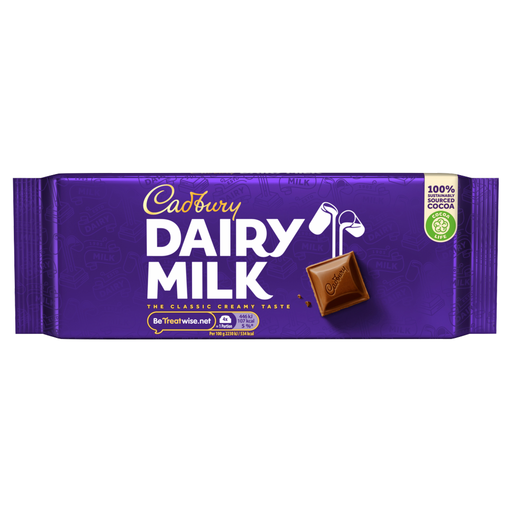
Why This Fits Their Persona: A familiar 180g milk chocolate bar works for everyday cupboards, sharing at home or using in simple baking recipes.
The clearly stated 180g quantity helps shoppers compare value with smaller bars or gift-style packaging.
180g format; suitable for sharing, snacking or melting into desserts.

Why This Fits Their Persona: A 24-piece chocolate gift box suits hosts, celebrations and shoppers seeking individually presented hazelnut chocolates.
The piece count and 300g net quantity make the gift format easier to assess before purchase.
24 pieces; whole hazelnut, wafer, filling and milk chocolate layers.
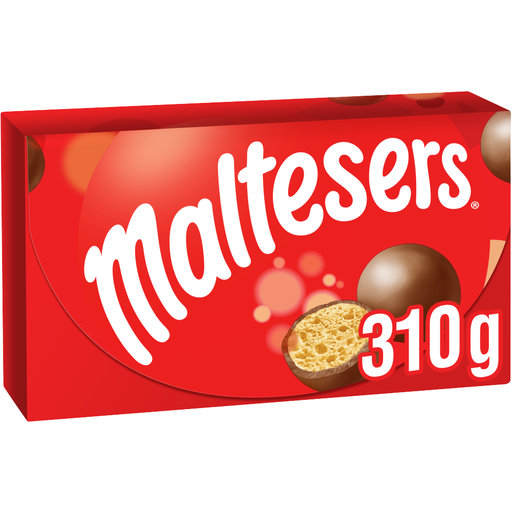
Why This Fits Their Persona: The larger 310g box is convenient for office bowls, parties, family film nights and repeated sharing.
The larger net quantity is suited to frequent sharing rather than a single-occasion purchase.
310g box; milk chocolate with a crisp, airy centre; suitable for portioned sharing.

Why This Fits Their Persona: A compact high-cocoa bar suits shoppers who prefer a more intense dark chocolate style for small, considered portions.
The stated 90% cocoa level avoids ambiguity around the meaning of “dark chocolate”.
90% cocoa; 100g bar; listed ingredients include cocoa mass and cocoa butter.
We have compiled a complete, real-time list of products that fully satisfy these strict selection criteria and UK safety regulations.
Choose a clearly labelled sharing bag, multipack or larger gift box, and compare the net quantity with the number of people. Products such as chocolate sharing bags, Maltesers boxes and assorted chocolates offer flexible portioning, while individually wrapped pieces can help maintain freshness after opening.
Keep chocolate in a cool, dry place away from direct heat, sunlight and strong-smelling foods. Avoid storing it in a damp area. Check the packaging for the specific storage instructions and best-before information, particularly after opening.
Read the full ingredients and allergen statement on the current packaging. Do not rely only on product images or assumptions about a recipe. Hazelnut chocolate, praline chocolates, wafer products and assorted truffles may contain or carry warnings for nuts, milk, soya, wheat or barley. If the recipient has a diagnosed allergy, select only products whose labelling is suitable for their requirements.