Home cheesecake bakers
If your recipe calls for a pressed biscuit base, digestive biscuits can be crushed finely and mixed with melted butter, as described in baking guidance from Dr. Oetker UK and Doves Farm.


For a chocolate-digestive cake or cheesecake base, start with a conventional digestive if the recipe calls for biscuits crushed and bound with melted butter; Dr. Oetker UK and Doves Farm use digestives in this kind of base. Choose milk chocolate for its familiar flavour or dark chocolate for a more cocoa-led direction that suits the filling. If the base must be gluten-free, choose an explicitly labelled gluten-free biscuit and check the full allergen information rather than relying on its chocolate type.
If your recipe calls for a pressed biscuit base, digestive biscuits can be crushed finely and mixed with melted butter, as described in baking guidance from Dr. Oetker UK and Doves Farm.
Milk- and dark-chocolate digestives offer different chocolate flavours. Choose the coating with the filling in mind, without assuming either type will produce a firmer base.
Look for an explicitly labelled gluten-free digestive rather than substituting a standard one. Check its other ingredients and precautionary allergen statements for everyone being served.
Start with the recipe’s biscuit quantity and base method, then choose the chocolate type and check whether the pack meets any dietary requirements.
| Priority | What to check | Your needs |
|---|---|---|
| Biscuit base | Choose a digestive if following a digestive-base recipe. Crush it finely, mix with melted butter and press it firmly into the tin; Dr. Oetker UK and Doves Farm describe this method. | I want crumbs I can press into a cheesecake or cake base, rather than choosing a different chocolate biscuit format solely for its coating. |
| Chocolate type | Check whether the digestive has a milk- or dark-chocolate coating and whether other flavours are part of the biscuit. Match the choice to the filling. | For a familiar milk-chocolate base, I would choose a milk-chocolate digestive; with an already sweet filling, I may prefer a darker chocolate flavour. |
| Allergens | Read the current ingredients, allergen declaration and precautionary statements. Dark chocolate does not establish dairy-free suitability; Tesco says its dark digestives may contain milk. | When baking for someone with dietary restrictions, I need the particular pack to meet their requirements, not just a suitable-sounding biscuit name. |
| Gluten-free option | Choose a biscuit explicitly labelled gluten-free when required, then check its other allergens. Tesco’s Free From Chocolate Digestives are made with gluten-free oat flour and may contain peanuts and nuts. | I need a labelled gluten-free base, while still checking whether the chocolate coating and any precautionary statements suit the people eating it. |
| Recipe quantity | Compare the recipe’s biscuit weight with the pack size. Dr. Oetker UK gives 250 g digestives with 125 g unsalted butter as one cheesecake-base method; use your recipe’s quantities for a different base. | One pack should provide enough biscuits for my recipe. A 166 g pack alone would not supply the 250 g in that example. |
Guidance from Dr. Oetker UK and Doves Farm calls for digestives crushed into fine crumbs and mixed with melted butter. A filled bar or sandwich biscuit is a different format.
If you want to follow that method, check that the pack actually says digestive rather than choosing by the chocolate coating alone.
Tesco’s dark chocolate digestives say they may contain milk, while Sainsbury’s dark chocolate digestives list butteroil from cows’ milk.
Check the current pack’s ingredients and precautionary allergen statements if milk needs to be avoided.
Dr. Oetker UK’s example begins with 250 g of digestives. A 166 g pack does not provide that quantity on its own.
Check the biscuit weight in your chosen recipe against the pack size before buying.
A second pack is needed if the recipe requires more biscuit than the selected pack contains.
These examples show the types of chocolate digestive described in UK retailer listings; the brand name alone does not establish how a biscuit base will turn out.
Tesco lists McVitie’s milk- and dark-chocolate digestives in 266 g packs, alongside a more strongly flavoured Seriously Chocolatey variant.
Tesco lists 300 g milk- and dark-chocolate digestives, as well as a separately labelled 166 g Free From Chocolate Digestives pack.
Sainsbury’s lists milk- and dark-chocolate digestives in 300 g packs, with ingredients and allergen advice for each.
These options are chocolate digestives for a crushed biscuit base: milk and dark varieties, plus two more strongly flavoured versions. Check your recipe quantity and the current pack label before choosing.
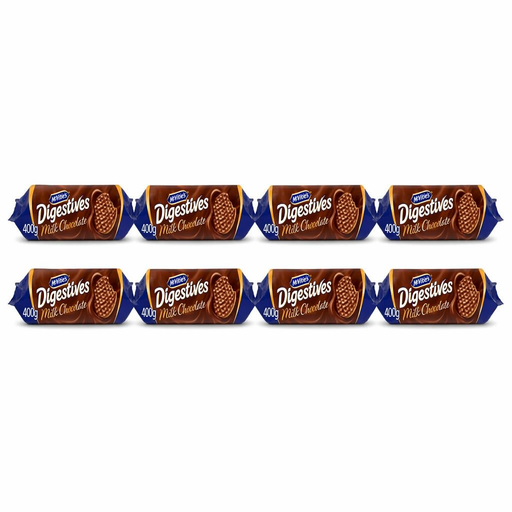 No image available
A milk-chocolate digestive option for a crushed biscuit base when that flavour suits the filling. The pack is labelled 400g; follow your recipe’s biscuit quantity and check the pack’s allergen information.
 No image available
A dark-chocolate digestive choice when you want that chocolate flavour in the base. The bundle contains 2 x 266g packs; dark chocolate alone does not establish dairy-free suitability, so check the current label.
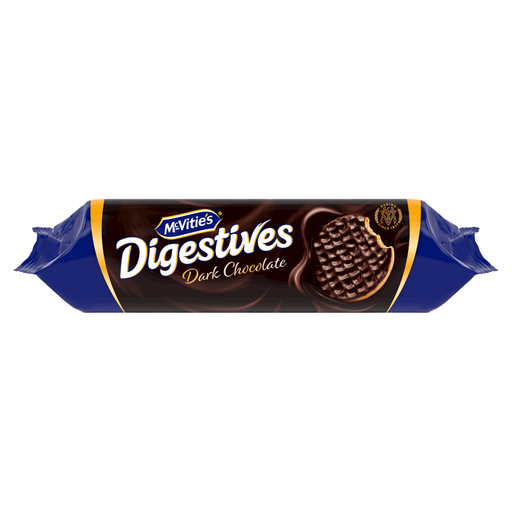 No image available
A single 400g pack of dark-chocolate digestives for a base where dark chocolate suits the filling. Compare the pack weight with your recipe and read its current allergen declaration.
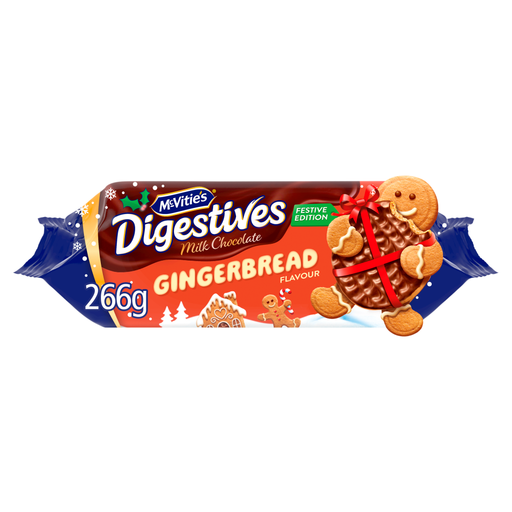 No image available
Consider the gingerbread flavour only if it fits the cake filling; it is not a neutral chocolate-digestive choice. The pack is labelled 266g, so check its weight against the recipe quantity.
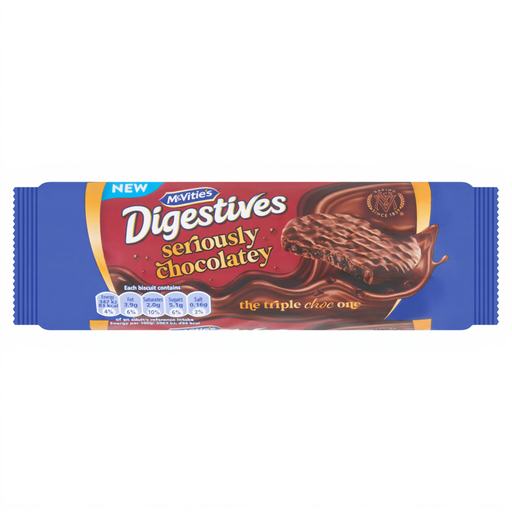 No image available
A more chocolate-focused digestive option when that flavour fits the filling. The 250g pack matches the biscuit weight in one Dr. Oetker UK cheesecake-base method, but follow your chosen recipe for its full quantities.
Yes, if their chocolate flavour suits the filling. Dr. Oetker UK and Doves Farm describe bases made by finely crushing digestives, mixing them with melted butter and pressing the crumbs into a tin; follow your chosen recipe’s quantities when using chocolate-coated biscuits.
Dr. Oetker UK uses 125 g unsalted butter with 250 g digestives in one cheesecake-base method. Treat that as a recipe example, not a fixed ratio for every tin, filling or chocolate-coated biscuit.
Not necessarily. Tesco says its dark chocolate digestives may contain milk, and Sainsbury’s dark chocolate digestives list butteroil from cows’ milk. Check the current label when dairy-free suitability matters.
The standard McVitie’s, Tesco and Sainsbury’s examples listed here contain wheat, so they are not the choice for a gluten-free base. Select an explicitly labelled gluten-free biscuit and check its other allergen information.
Read the current biscuit pack’s ingredients, allergen declaration and precautionary statements against the needs of everyone being served. The Food Standards Agency explains that precautionary allergen labelling communicates the possibility of an allergen being unintentionally present.