Cheesecake-base bakers
If your recipe specifies chocolate-digestive crumbs, match its biscuit weight before choosing a coating. Good Food’s no-bake cheesecake, for example, calls for 300g of chocolate digestives.


For a chocolate-digestive cheesecake base, choose a milk- or dark-chocolate coating to suit the flavour you want, then check the biscuit weight against your recipe: Good Food’s no-bake cheesecake specifies 300g of chocolate digestives. An uncoated digestive lets you choose the chocolate separately, but that changes the recipe; filled bars and other chocolate-biscuit formats are not identical substitutes.
If your recipe specifies chocolate-digestive crumbs, match its biscuit weight before choosing a coating. Good Food’s no-bake cheesecake, for example, calls for 300g of chocolate digestives.
Check the exact biscuit pack and the other dessert ingredients against the eater’s requirements. A dark-chocolate coating does not, by itself, establish that a biscuit is free from milk.
Compare the stated weight and coating of branded and supermarket digestives. A 266g pack does not supply the 300g of biscuits specified in Good Food’s recipe, while a documented 300g pack does.
Start with the recipe’s biscuit type and weight, then decide whether its crumb base should include a chocolate coating.
| Priority | What to check | Your needs |
|---|---|---|
| Recipe fit | Check whether the recipe specifies crushed chocolate digestives. Compare its required biscuit weight with the pack’s net weight; Good Food’s no-bake cheesecake specifies 300g. | “I’m making a crumb base, so I need the specified biscuit format and enough biscuits for the recipe.” |
| Chocolate coating | Choose milk- or dark-chocolate-coated digestives if you want that coating in the crumbs. An uncoated Original digestive leaves the chocolate choice separate and changes a recipe that specifies chocolate digestives. | “I want to decide whether the chocolate flavour comes from the biscuits or from something I add separately.” |
| Ingredients | Read the exact pack’s ingredients and precautionary statements, then check the whole dessert. McVitie’s lists a milk ingredient in its dark-chocolate coating; Tesco’s documented dark-chocolate digestives say they may contain milk. | “If someone needs to avoid an ingredient, I cannot judge suitability from ‘dark chocolate’ or ‘Original’ alone.” |
| Biscuit format | Check whether the product is a conventional digestive or a filled or flavoured bar. Penguin Original and Club Orange have formats that differ from a round chocolate digestive. | “A different chocolate biscuit could be an intentional variation, but I would not assume it works as an identical substitute.” |
One documented 266g McVitie’s chocolate-digestive pack falls short of the 300g of biscuits in Good Food’s no-bake cheesecake recipe.
Compare the recipe’s grams with the pack’s net weight. Change the recipe quantities only if you intend to adapt it.
Using that recipe at its stated quantities would require biscuits beyond a single 266g pack.
McVitie’s lists butter oil (milk) in its dark-chocolate coating, while Tesco’s documented dark-chocolate digestives carry a “may contain milk” statement.
For anyone avoiding milk, check the physical biscuit pack and every other ingredient in the dessert.
Penguin Original is a filled sandwich bar, and Club Orange is an orange-flavoured coated bar. Neither is the same biscuit format as a conventional chocolate digestive.
Use another format only as a deliberate variation, rather than assuming a weight-for-weight replacement will give the same base.
Its documented Digestives range includes milk-chocolate, dark-chocolate and uncoated Original varieties.
Tesco lists own-label milk- and dark-chocolate digestives in 300g packs.
Sainsbury’s has a listing for own-label milk-chocolate digestives in a 300g pack.
Fox’s describes its Chocolatey range as including rounds, cookies, Viennese biscuits and creams.
The documented Penguin Original is a coated biscuit-and-cream sandwich bar.
The documented Club Orange is an orange-flavoured coated biscuit bar.
These options include dark- and milk-chocolate digestives for a coated crumb base, plus an uncoated Original for a recipe you intend to adapt. Compare each pack’s weight with your recipe before choosing.
 No image available
For a dark-chocolate digestive crumb base, this twin pack contains 532g in total, enough biscuits for Good Food’s 300g recipe requirement. Check the pack’s ingredients and precautionary statements if anyone eating the dessert needs to avoid milk or another ingredient.
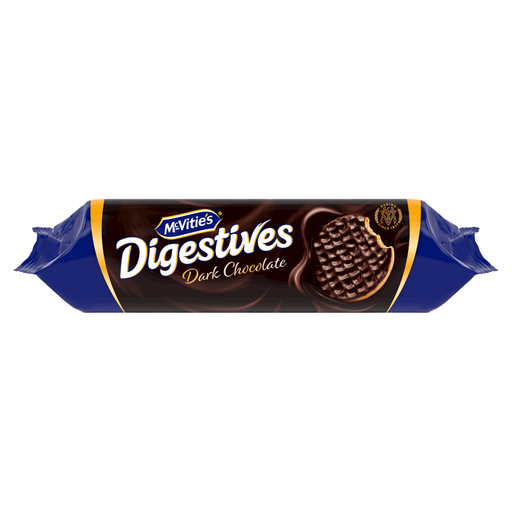 No image available
This dark-chocolate digestive comes in a 400g pack, exceeding the 300g of biscuits in Good Food’s cited recipe. Check the physical pack’s ingredient and precautionary statements when choosing for someone with an allergy.
 No image available
Choose this 400g milk-chocolate digestive pack if you want its coating in the biscuit crumbs; it exceeds the 300g specified in Good Food’s cited recipe. Check the pack’s ingredients against the requirements of everyone eating the dessert.
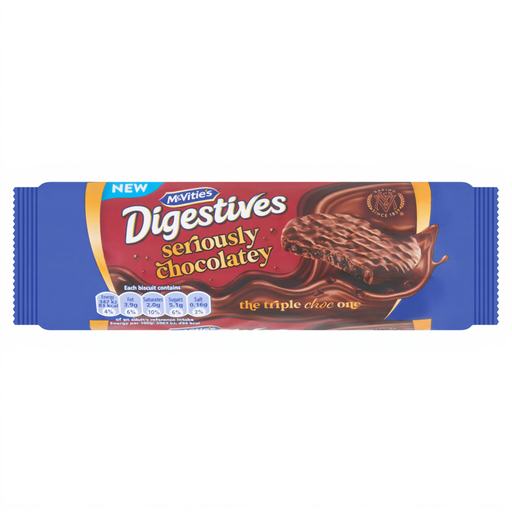 No image available
This 250g pack is a chocolate-digestive option for a crumb base, but one pack falls short of the 300g in Good Food’s cited recipe. Check your recipe’s quantity and the pack’s ingredient and precautionary statements before using it.
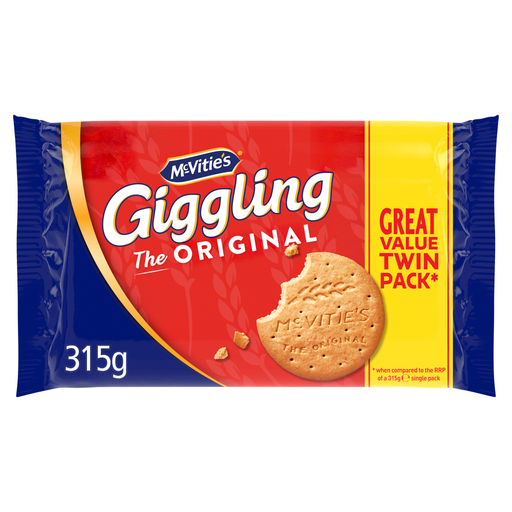 No image available
These uncoated digestives come as two 315g packs, providing a plain biscuit option if you intend to choose the chocolate separately. They are a substitution in a recipe that specifies chocolate digestives, not a guarantee that the original method or quantities will work unchanged. Check the pack if milk avoidance matters.
Good Food’s recipe specifies 300g of chocolate digestive biscuits and 130g of melted butter. It calls for the biscuits to be blitzed into fine crumbs, mixed with the butter, pressed into the tin and chilled while the filling is made. Those quantities apply to that recipe, not every cheesecake base.
Do not assume so: McVitie’s lists butter oil (milk) in its documented dark-chocolate coating, and Tesco’s documented dark-chocolate digestives say “may contain milk”. Check the actual biscuit pack and the other dessert ingredients against the eater’s requirements.
Tesco’s documented digestive packs say to store them in a cool, dry place and, once opened, in an airtight container. Follow the storage instructions on the particular pack you buy.