A chocolate digestive can be a small treat after a routine workout, but do not rely on one as a complete recovery snack after a hard, long or closely spaced session. The British Dietetic Association advises a carbohydrate-rich snack or meal when post-exercise refuelling matters; if you want a biscuit as well, compare the portion, nutrition label and allergens on the pack you are buying.
Who is this choice for?
People wanting a small treat after routine training
A chocolate digestive may suit the wish for something sweet after exercise. If the session was demanding or another workout is soon, consider your wider snack or meal rather than treating the biscuit as the whole recovery plan.
Shoppers comparing chocolate digestives
Milk- and dark-chocolate varieties differ in their labelled values per biscuit. Compare sugars and saturates alongside biscuit size, and use the per-100g panel when comparing formulations.
Buyers who require a gluten-free digestive
A specifically labelled gluten-free variety addresses that requirement; its nutrition and other allergen information still need separate checks. Sainsbury's describes its Free From Digestive Chocolate as gluten-free and suitable for coeliacs.
What should you check?
Start with what the snack needs to do after your particular workout, then compare the biscuit varieties on a consistent label basis.
| Priority | What to check | Your needs |
|---|
| Workout and refuelling |
Consider the session's length and intensity, and how soon you will exercise again. The British Dietetic Association advises a carbohydrate-rich snack or meal when glycogen replenishment is needed after exercise. |
After an ordinary session, I may just want a biscuit as a treat. After demanding training, I need to plan the rest of my snack or meal rather than rely on the biscuit alone. |
| Portion and nutrition |
Read sugars and saturates per biscuit, then compare per 100g and check serving size. Sainsbury's lists 4.1g sugars and 1.8g saturates per biscuit for its standard milk-chocolate digestive; Tesco lists 4.2g sugars for its dark-chocolate version, while Sainsbury's lists 4.8g for the compared McVitie's milk-chocolate biscuit. |
I want to know what the number means for the biscuit I will actually eat, not choose from a figure without checking the serving. |
| Chocolate variety |
Choose milk or dark chocolate by flavour preference, then compare the particular labels. Tesco lists 0.7g fibre per biscuit for its Dark Chocolate Digestives; that figure alone does not establish how well a snack meets recovery needs. |
Dark chocolate appeals to me, but I still want to check the pack rather than assume the coating determines its overall nutrition. |
| Dietary suitability |
Check the current gluten-free statement and full allergen panel for the exact variety. Sainsbury's labels its Free From Digestive Chocolate gluten-free and suitable for coeliacs; free-from status does not answer every other dietary question. |
If I need to avoid gluten, the specific pack's suitability statement matters more than whether it looks like a standard digestive. |
Common buying mistakes
-
Assuming “digestive” means a complete recovery snack
A biscuit chosen for taste is a different decision from refuelling after demanding exercise. The British Dietetic Association advises a carbohydrate-rich snack or meal when post-exercise glycogen replenishment matters.
Decide whether you want a treat or need to plan a more substantial snack or meal for the training you have done.
-
Comparing per-biscuit figures without checking serving size
Biscuits and pack formats can differ, so a per-biscuit figure does not describe the same quantity of food in every comparison.
Use per-biscuit values for the portion you intend to eat and the per-100g panels to compare products on the same weight basis.
-
Assuming gluten-free answers every dietary question
Sainsbury's describes its Free From Digestive Chocolate as suitable for coeliacs, but that statement does not replace its full ingredient, allergen and nutrition information.
Check the current pack for every ingredient or allergen relevant to you, as well as its gluten-free statement.
Relevant brand and range references
These references concern particular labelled chocolate digestives, not every product made by each brand.
McVitie's
A familiar milk-chocolate digestive format for shoppers who prefer the classic variety.
- Sainsbury's lists 83kcal, 4.8g sugars and 1.1g protein per biscuit for the McVitie's Milk Chocolate Digestives 266g pack.
- Those values belong to the specified 266g pack; check the label before applying them to another size or variant.
Tesco
An own-label dark-chocolate digestive for shoppers choosing that flavour.
- Tesco lists 4.2g sugars and 0.7g fibre per biscuit for its Dark Chocolate Digestives 300g.
- A dark-chocolate preference does not remove the need to compare the full nutrition and allergen panels.
Sainsbury's
An own-label range that includes a standard milk-chocolate digestive and a separately labelled Free From chocolate digestive.
- The standard Milk Chocolate Digestives 300g pack lists 78kcal, 4.1g sugars and 1.8g saturates per biscuit.
- The retailer labels its Free From Digestive Chocolate gluten-free and suitable for coeliacs; check that product's other ingredients and nutrition separately.
Chocolate digestive options on Joybuy
These McVitie's milk- and dark-chocolate digestives are options for someone who wants a biscuit as a post-gym treat. Compare the exact pack's label if portion size or nutrition affects your choice.
 Image unavailable
McVitie's Digestives Dark Chocolate Twin Pack, 2 x 266g
A dark-chocolate digestive for a small post-gym treat. The twin pack contains 2 x 266g; check this variant's label for the per-biscuit serving and nutrition values.
View on Joybuy
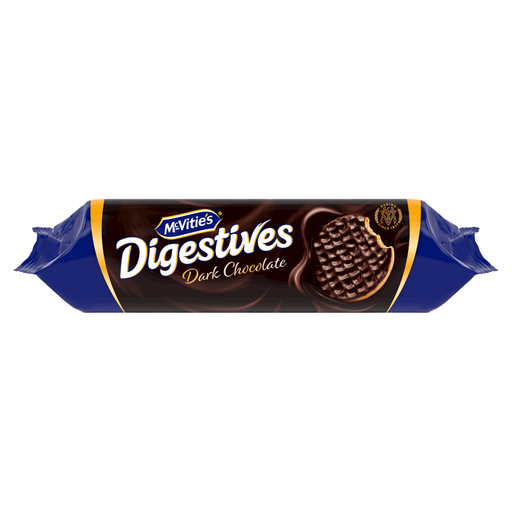 Image unavailable
McVitie's Digestives Dark Chocolate 400g
A 400g dark-chocolate digestive option when that flavour is your preference. Check its own per-biscuit serving and nutrition panel rather than using figures from a different brand or pack.
View on Joybuy
 Image unavailable
McVitie's Digestives Milk Chocolate 400g
A classic milk-chocolate digestive option for a post-gym treat. This is a 400g pack, so use its own label when comparing portions or nutrition with the separately listed 266g McVitie's pack.
View on Joybuy
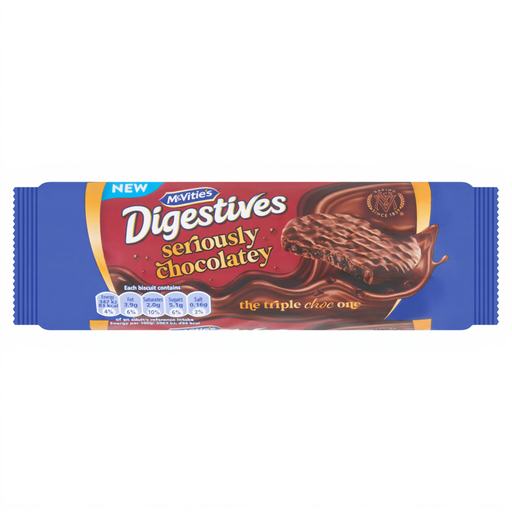 Image unavailable
McVitie's Seriously Chocolate Digestives 250g
A distinct 250g chocolate digestive variant for shoppers considering a biscuit after exercise. Compare its current nutrition and portion information with the standard varieties before choosing.
View on Joybuy
Questions about post-gym digestives
Is one chocolate digestive enough as a recovery snack?
Do not rely on one biscuit as your whole refuelling plan after hard, long or closely spaced exercise. The British Dietetic Association advises starting glycogen replenishment with a carbohydrate-rich snack or meal when recovery demands it; after routine activity, a biscuit can instead be a treat alongside your usual eating.
Which of the compared standard digestives lists less sugar per biscuit?
Sainsbury's Milk Chocolate Digestives lists 4.1g sugars per biscuit, compared with 4.2g for Tesco Dark Chocolate Digestives and 4.8g for the McVitie's Milk Chocolate Digestives 266g pack, according to their respective retailer listings. Biscuit sizes and variants can differ, so check the current pack and compare per 100g as well.
Does a gluten-free chocolate digestive meet every dietary need?
No. Sainsbury's labels its Free From Digestive Chocolate gluten-free and suitable for coeliacs, but that statement addresses gluten suitability rather than every ingredient or allergen. Check the current pack against your own requirements.
Do HFSS rules mean chocolate digestives are banned from UK school meals?
No blanket UK school-meal ban follows from the category name. The Department of Health and Social Care says the cited promotion and placement rules apply to businesses operating in and selling to England; school-food standards are a separate framework. The Department for Education said on 14 September 2026 that updated standards planned for September 2027 were subject to Parliamentary approval. For a school-food decision, check the current rules for the relevant UK nation and the specific product rather than assuming its legal classification.


