Hosts setting out a shared plate
Choose between full-size and mini biscuits, then check the pack quantity against the number of pieces you intend to serve.


Choose full-size milk-chocolate digestives for a conventional sharing plate, dark-chocolate digestives if you want that coating, or minis if smaller pieces suit the table. Check the exact pack’s quantity, ingredients, allergens and storage directions before serving; a dark-chocolate coating does not mean a biscuit is dairy-free. If the food is being provided by a school, check the rules for that setting rather than treating a private Halloween party as a school event.
Choose between full-size and mini biscuits, then check the pack quantity against the number of pieces you intend to serve.
Read the ingredients and allergen information on each supplied pack before serving or repackaging the biscuits. McVitie’s dark-chocolate digestives, for example, list butter oil (milk).
Establish whether the school is providing the food and which nation’s requirements apply. Department for Education guidance for covered school provision in England says chocolate-coated products must not be served across the school day.
Choose the biscuit format for the serving table first, then check the particular pack for quantity, dietary information and storage instructions.
| Priority | What to check | Your needs |
|---|---|---|
| Chocolate and texture | Compare milk- and dark-chocolate coatings. If chocolate chips are what you want, check that the biscuit has chips rather than a coating. | I want a chocolate digestive guests will recognise, or a different coating to offer alongside it. |
| Pieces and pack quantity | Check whether the biscuits are full-size or mini, plus the stated pack weight and biscuit count where given. Calculate servings from the pack you plan to buy. | Bite-sized pieces would suit my serving table, or I need enough full-size biscuits for a shared plate. |
| Ingredients and allergens | Read the supplied pack’s complete ingredient and allergen information for every variety. McVitie’s listed dark-chocolate digestive recipe contains butter oil (milk); the coating name is not an allergen statement. | Someone I am serving has an allergy, so I need to check the particular biscuits before putting them out. |
| Storage before serving | Follow the pack’s directions. The checked Tesco and Morrisons milk-chocolate digestives specify cool, dry storage and an airtight container after opening. | I may open the biscuits before guests arrive and want to store them as the pack directs. |
McVitie’s listed dark-chocolate digestive recipe contains butter oil (milk).
For guests with allergies, check the complete ingredients and allergen information on the exact pack you serve.
Mini biscuits, chocolate-chip digestives and chocolate-coated digestives differ in size or where the chocolate appears.
Decide which format suits the plate, then check the chosen product’s pack quantity rather than substituting by the word ‘digestive’ alone.
Department for Education guidance on chocolate-coated products concerns covered school provision in England, not every private Halloween gathering.
If a school is providing the food, identify the setting and UK nation before deciding what can be served.
Its digestive range includes milk-chocolate, dark-chocolate and mini coated biscuits. Penguin and Club are separate biscuit-bar lines, not names for its classic digestives.
Its 300g milk-chocolate digestives are a coated, full-size option; M&S describes demerara sugar as part of their texture.
Its listed 300g milk-chocolate digestives are half coated.
Its milk-chocolate digestives appeared in the Good Housekeeping Institute’s June 2026 test. A dark-chocolate-chip digestive is a different biscuit format.
Its listed 300g milk-chocolate digestives are half coated.
These McVitie’s options cover dark- and milk-chocolate digestives alongside two named flavour variants for a party biscuit plate. Choose by the biscuit you want to serve and the stated pack weight, then check the supplied label for dietary needs.
 No image available
A dark-chocolate digestive option when you want two 266g packs for the serving table. McVitie’s listed dark-chocolate recipe contains butter oil (milk); check the supplied packs’ full allergen information before serving.
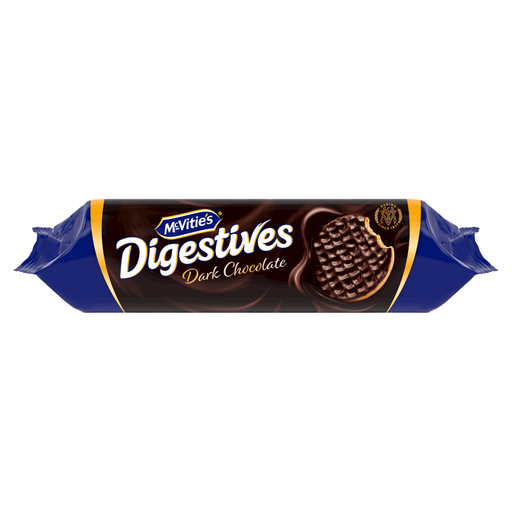 No image available
A 400g dark-chocolate digestive pack for a shared plate. Dark chocolate alone does not establish dairy-free suitability: McVitie’s listed dark-chocolate recipe contains butter oil (milk), so check this pack’s label for guests with allergies.
 No image available
A 400g pack for hosts choosing milk-chocolate coated digestives. Check the pack’s biscuit count when planning servings and its ingredients and allergens before offering it to guests with dietary needs.
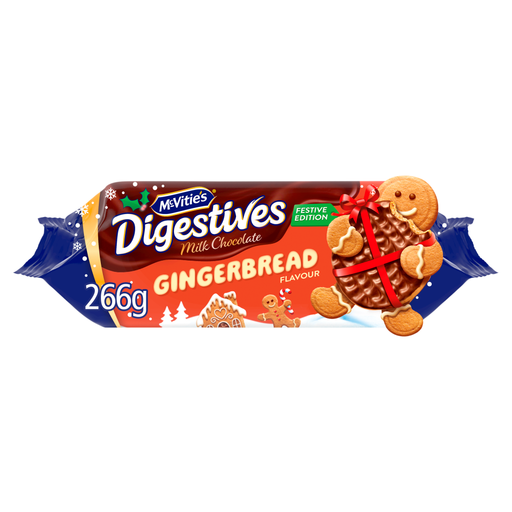 No image available
A 266g gingerbread-flavoured chocolate digestive option if you want a different flavour on the Halloween plate. Check the supplied pack for its biscuit count, ingredients and allergens.
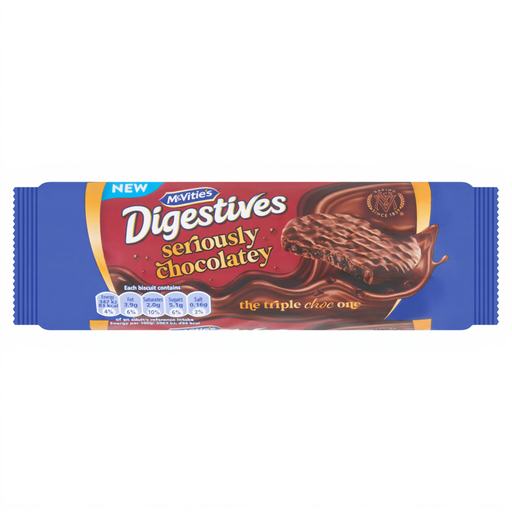 No image available
A 250g named chocolate digestive variant for a party plate. If you need a particular coating or biscuit texture, confirm its description and the supplied pack rather than assuming it matches a classic milk-chocolate digestive; check the label for allergens too.
Not necessarily: McVitie’s listed dark-chocolate digestive ingredients include butter oil (milk). For a guest with an allergy, check the ingredients and allergen information on the exact pack being served.
Follow the purchased pack’s directions. The checked Tesco and Morrisons milk-chocolate digestive listings specify cool, dry storage and an airtight container after opening.
Read both the date and its wording on the pack. UK government food-labelling guidance distinguishes a use-by date, which relates to safety, from a best-before date, which relates to quality; biscuits can become stale after their best-before date.
For provision covered by England’s school-food standards, Department for Education guidance dated September 2026 says chocolate and chocolate-coated products must not be served across the school day. That does not establish a rule for a private party or every UK school setting, so organisers should identify the nation and school provision involved before applying it.