Night workers planning a sweet break
A few biscuits can be the sweet part of a break without replacing a planned meal or more substantial snack. Deciding on a portion before opening the pack makes that distinction easier to keep.


Choose a chocolate-coated digestive for a planned sweet break, rather than relying on biscuits for your main overnight meal or snack. Compare the portion you expect to eat with the nutrition per 100g, and check the current pack for ingredients and allergens. The McVitie's, Tesco and M&S examples discussed here all exceed the NHS high thresholds for sugars and saturated fat per 100g.
A few biscuits can be the sweet part of a break without replacing a planned meal or more substantial snack. Deciding on a portion before opening the pack makes that distinction easier to keep.
Pack sizes and biscuit servings differ, so compare per-biscuit figures for your intended portion and per-100g figures for a common nutritional basis.
Milk and cereals containing gluten appear in the McVitie's, Tesco and M&S examples discussed here; their product information also identifies soya ingredients. Check the current pack, including its allergen statement, for the exact biscuit you intend to eat.
Start with when you will eat the biscuits and how many you plan to take, then compare labels on the same basis.
| Priority | What to check | Your needs |
|---|---|---|
| Break-time plan | Decide whether the biscuits are a sweet addition or your only food during the break. Barking, Havering and Redbridge University Hospitals NHS Trust advises shift workers to plan regular meals or lighter meals with snacks rather than rely on high-fat, high-sugar convenience foods. | I want something sweet on my break, but I also need a separate plan for a meal or more substantial snack during the shift. |
| Portion | Check the serving size and energy per biscuit where stated; decide how many biscuits to take before the break. McVitie's lists 83 kcal per milk-chocolate digestive, and Tesco lists 83 kcal per own-brand milk-chocolate digestive. | If I am taking biscuits to work, I would rather choose my portion beforehand than keep an open pack beside me. |
| Nutrition label | Compare sugars, saturated fat and salt per 100g across packs, then use the serving figures for your portion. The NHS classifies more than 22.5g sugars or more than 5g saturated fat per 100g as high; the McVitie's, Tesco and M&S milk-chocolate examples exceed both thresholds. | I want to compare different biscuit sizes fairly, not judge them only by the figure for one biscuit. |
| Ingredients | Read the current pack's ingredients, highlighted allergens and any precautionary allergen wording. Check the exact variant rather than assuming milk, dark-chocolate and flavoured versions share an ingredient list. | If milk, wheat or another ingredient matters to me, the label on the pack I will eat needs to answer that question. |
| Chocolate and pack format | Check whether the pack is milk chocolate, dark chocolate or flavoured, and confirm its size or multipack contents. A thicker chocolate description does not establish how its nutrition compares with another variant. | I may prefer a particular flavour, but I still want a pack and portion that fit my break-time plan. |
Barking, Havering and Redbridge University Hospitals NHS Trust cautions that high-fat, high-sugar convenience foods can worsen fatigue and sluggishness for shift workers.
Plan what else you will eat during the shift, then take a chosen biscuit portion if you want a sweet break.
A per-biscuit figure describes that serving, not an equal weight of two different products. McVitie's, Tesco and M&S milk-chocolate examples all exceed the NHS high thresholds for sugars and saturated fat per 100g.
Use per-100g values for the product comparison and serving figures to work out what your chosen portion represents.
The McVitie's, Tesco and M&S examples identify milk and cereals containing gluten, alongside soya ingredients. Ingredients can differ between variants and change over time.
Read the ingredients and allergen statement on the current physical pack before eating.
These examples illustrate label and format differences; a brand name alone does not establish the nutrition or ingredients of every variant.
Its standard milk-chocolate digestive is a reference point for comparing a serving with a per-100g label.
Tesco's own-brand 300g milk-chocolate digestives offer another standard chocolate-coated option to compare by serving and by weight.
M&S describes its 300g Milk Chocolate Digestives as wholemeal biscuits with a thick milk-chocolate layer, making flavour and texture part of the choice.
These milk-chocolate, dark-chocolate and gingerbread chocolate digestives give you pack and flavour options for a planned night-shift break. Check each pack's current label when deciding on a portion or checking ingredients.
 No image available
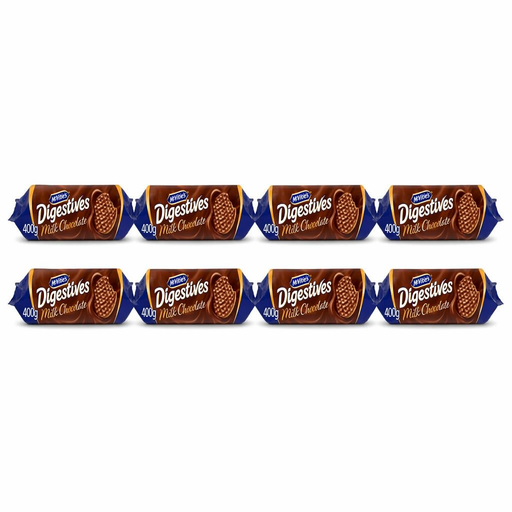
A 400g milk-chocolate digestive pack for a planned sweet break. Decide on a serving and check this pack's nutrition and allergen label before eating.
 No image available
This listing names a 400g milk-chocolate digestive and identifies it as a Case SKU. Confirm the case contents before ordering, then plan a break-time portion from the pack.
 No image available
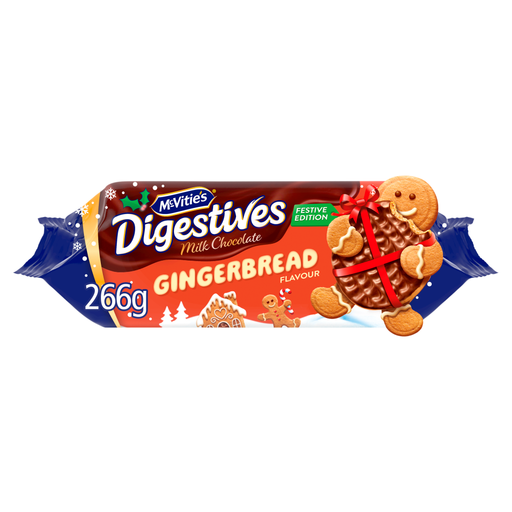
The gingerbread flavour distinguishes this 266g chocolate digestive pack from a standard version. Check its own serving information and ingredients rather than using another variant's label.
 No image available
This dark-chocolate alternative comes as two 266g packs. Check the dark-chocolate variant's label for its serving values and allergens when packing a portion for work.
No image available
A 250g chocolate digestive variant for shoppers choosing by chocolate flavour. Compare its own per-100g and serving labels before deciding how much to take on a shift.
Plan other food for the shift rather than relying on chocolate digestives as your main meal or snack. Barking, Havering and Redbridge University Hospitals NHS Trust advises shift workers to eat regularly and cautions that high-fat, high-sugar convenience foods can worsen fatigue and sluggishness. If you want biscuits, choose a portion for a sweet break.
Use per-100g values to compare products, then per-biscuit or serving values to assess the portion you intend to eat. Check energy, fat, saturated fat, sugars and salt. For interpreting the label, the NHS defines high as more than 22.5g sugars, 5g saturated fat, 17.5g fat or 1.5g salt per 100g.
No. The McVitie's, Tesco and M&S milk-chocolate examples discussed here identify milk and cereals containing gluten, and their product information also identifies soya ingredients. Check the current physical pack for the exact variant, including its full ingredient list and allergen statement.