Office snack organisers
If colleagues share biscuits at tea breaks, decide whether an open packet or separate portions will be easier to offer and store.


Choose chocolate digestives for a shared tea break, individually wrapped digestive bars when separate portions matter, or an actual box of chocolates when the purchase is a gift. Check the number and format of portions and the current product label before offering food to colleagues; a biscuit taste-test score does not establish gifting suitability or allergy safety.
If colleagues share biscuits at tea breaks, decide whether an open packet or separate portions will be easier to offer and store.
If presentation and a selection of chocolates are the point, choose a chocolate assortment rather than assuming chocolate-coated biscuits are a box of chocolates.
When colleagues need ingredient information, keep the exact product label available. A wrapper or a plain-looking biscuit is not assurance that a product meets their needs.
Start with the occasion: a shared biscuit break, separate portions and a chocolate gift call for different formats.
| Priority | What to check | Your needs |
|---|---|---|
| Sharing format | Check whether the product is an open biscuit packet, individually wrapped digestive bars or a boxed chocolate assortment. Compare the stated pack quantity with the number of people being offered food. | I’m putting biscuits out for a tea break, or handing colleagues separate portions. If it is a gift, I want a box of chocolates rather than chocolate-coated biscuits. |
| Ingredients | Read the current ingredient and allergen information for the exact product. M&S lists milk, wheat and soya ingredients in its wrapped digestive bars; the documented Crawford’s plain digestives contain wheat. | Colleagues need to be able to identify what they are being offered, including when portions are handed out in wrappers. |
| Portions | Check the product’s own serving size when comparing nutrition information. Tesco lists 83 kcal per 17 g biscuit for its specified milk-chocolate digestives; Asda lists 85 kcal per biscuit for its specified product. | I want to know the size of an individual biscuit or portion, not assume that different packs use the same serving basis. |
| Biscuit style | Distinguish plain, milk-chocolate and dark-chocolate digestives. Good Housekeeping Institute’s June 2026 blind test assessed specified milk-chocolate biscuits for aroma, flavour and texture, not every variant or office group’s preferences. | Some colleagues may prefer a plain biscuit or a different chocolate coating; a score for one tested product cannot settle that choice for them. |
| Storage | Follow the chosen packet’s instructions after opening. Tesco and M&S specify an airtight container for their documented milk-chocolate digestive products. | An open office packet may remain in use after the first tea break, so I need somewhere suitable to keep it. |
Digestives and chocolate assortments are different formats. A packet of biscuits may not provide the presentation or variety intended for a gift.
Decide whether you are stocking a tea-break biscuit area or presenting a chocolate selection before choosing.
M&S lists milk, wheat and soya ingredients in its wrapped digestive bars, while the documented Crawford’s plain digestives contain wheat.
Check the exact product’s current label against colleagues’ stated needs, and keep its ingredient information available when handing out portions.
These examples distinguish documented biscuit and chocolate formats; a brand reference does not mean every product in its range has the same ingredients or test result.
M&S lists a 300 g packet of milk-chocolate digestives, individually wrapped digestive bars and boxed chocolate assortments as distinct products.
Its documented 266 g milk-chocolate digestives are an example of the shared-biscuit format.
Tesco lists 300 g milk-chocolate digestives with per-biscuit nutrition information and storage instructions.
Asda lists 300 g milk-chocolate digestives and identifies milk, soya and wheat in the documented product.
The documented 400 g plain digestives offer a non-chocolate biscuit format and contain wheat.
These options include digestives for an office biscuit break, a plain alternative and chocolate boxes for gifting or sharing. Choose the format for the occasion before comparing individual products.
 No image available
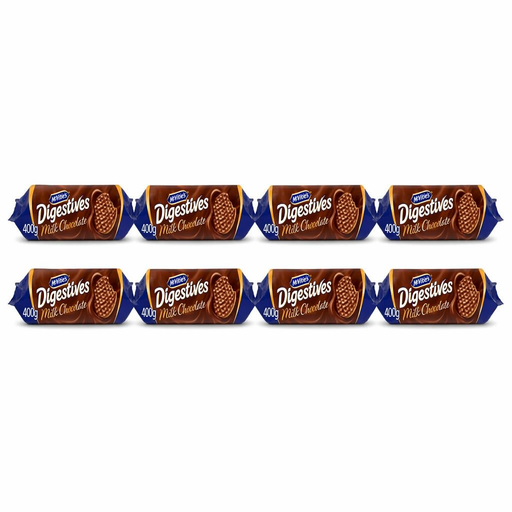
A 400 g packet of milk-chocolate digestives for a shared biscuit break. The Joybuy product information identifies milk, soya and wheat allergens; check the current pack before offering it to colleagues. Good Housekeeping Institute’s taste-test result concerned a different, 266 g pack.
 No image available
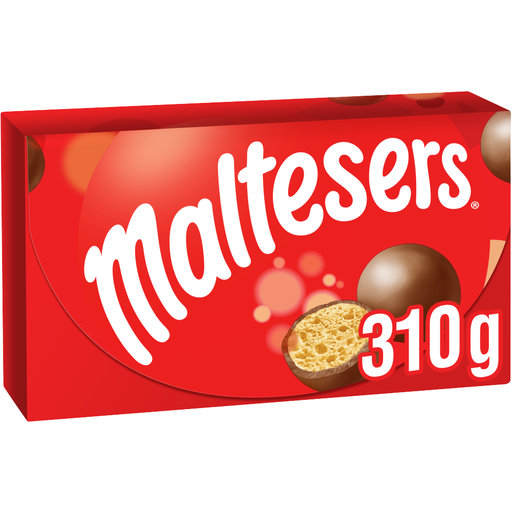
A 310 g chocolate gift box for an occasion that calls for chocolates rather than tea-break biscuits. Check the exact box’s ingredient and allergen label before sharing it.
 No image available
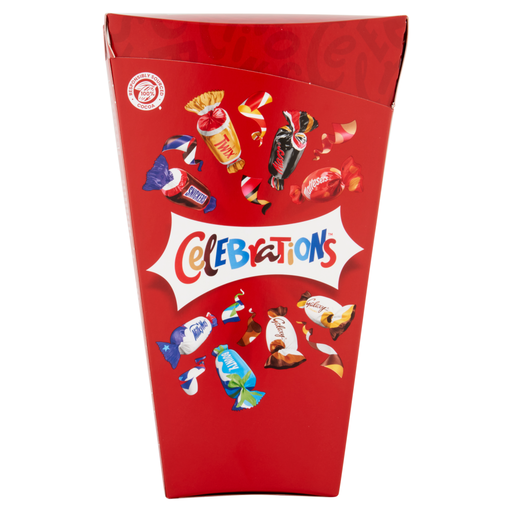
A 300 g chocolate sharing giftbox, rather than a packet of digestives. For a group gift, check the current label for the assortment’s ingredients and allergens, including any nut warning.
 No image available
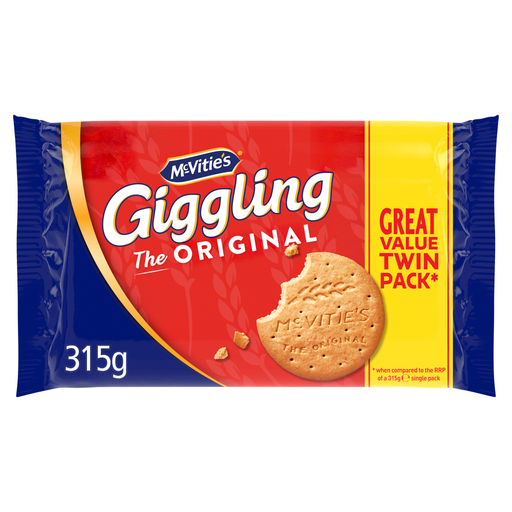
Two 315 g packs of plain digestives for colleagues who want a biscuit without a chocolate coating. This is not a chocolate gift; check the current ingredient label before sharing.
 No image available
Two 266 g packs of dark-chocolate digestives for a shared biscuit break where that coating is preferred. Good Housekeeping Institute’s cited test assessed milk-chocolate digestives, not this dark-chocolate variant; check this product’s own label for allergens.
Not when you need a presented assortment of chocolates. The documented digestives are chocolate-coated biscuits, while M&S lists chocolate boxes as a separate assortment format.
Follow the packet’s instructions. Tesco specifies a cool, dry place and an airtight container once its documented digestives are opened; M&S gives similar instructions for its documented 300 g product.
A wrapper alone cannot establish suitability. M&S lists milk, wheat and soya ingredients for its wrapped digestive bars, so check the current label against the colleague’s stated needs before offering them.
The cited England guidance does not establish a general prohibition on bringing chocolate digestives into an ordinary office. Department of Health & Social Care guidance addresses specified retail promotions and placement by businesses operating in and selling to England; Department for Education school-food guidance concerns food provided in covered state-funded school settings in England. Neither establishes how a particular biscuit is classified or what a particular school service may offer.