Parents packing a permitted treat
Check whether the school allows chocolate-coated biscuits, then decide what portion to pack alongside the rest of the lunch.


If your child’s school permits chocolate-coated biscuits and the ingredients suit their dietary requirements, a milk-chocolate digestive can be an occasional lunchbox treat, not the basis of the lunch. Check the school’s packed-lunch policy and the purchased pack’s allergens and serving information; choose another permitted food if either check rules the biscuit out.
Check whether the school allows chocolate-coated biscuits, then decide what portion to pack alongside the rest of the lunch.
McVitie’s and Tesco milk-chocolate digestives list wheat, milk and soya ingredients. Read the exact purchased pack, including any precautionary statements, before deciding whether it suits your child’s requirements.
A packet of digestives, a different chocolate-digestive recipe and a biscuit bar call for different portion checks. Compare the serving you would actually put in the lunchbox.
Start with the school’s rules and the pack’s ingredients; then compare portions and the type of biscuit your child would eat.
| Priority | What to check | Your needs |
|---|---|---|
| School rules | Read your school’s packed-lunch policy for chocolate-coated products. Bristol City Council’s school food policy guidance gives an example of a policy that asks families not to include them. | I need a lunchbox item my child’s school permits. If chocolate-coated biscuits are excluded, I’ll choose another permitted food. |
| Ingredients | Check the purchased pack’s ingredients and any precautionary allergen statements. McVitie’s and Tesco milk-chocolate digestives list wheat, milk and soya ingredients. | For a child with relevant dietary requirements, I need to assess the exact recipe rather than rely on the word ‘digestive’. |
| Portion and sugars | Compare the labelled biscuit or bar with the amount you would pack. McVitie’s lists 4.8g total sugars per Milk Chocolate Digestive and 5.1g per Seriously Chocolatey Digestive; Tesco lists 5.4g per 17g milk-chocolate digestive. These are different recipes and servings, not weight-matched comparisons. | I want to know the total sugars in the portion going into the lunchbox, whether it comes from a packet or is a single bar. |
| Recipe and format | Distinguish a milk-chocolate digestive from a cocoa-and-chocolate-chip digestive or a coated biscuit bar. Check the pack format if packing one portion from a larger packet. | My child may prefer one biscuit recipe over another; I also need a portion I can pack conveniently. |
A school’s packed-lunch policy may address chocolate-coated products, regardless of whether they are sold as biscuits or bars.
Check the policy for your child’s school before choosing a chocolate digestive for lunch.
The named McVitie’s and Tesco milk-chocolate digestives list wheat, milk and soya ingredients. A product name cannot establish whether the purchased pack suits a child’s dietary requirements.
Read its ingredients and precautionary statements, and choose another food if they do not suit those requirements.
McVitie’s lists 4.8g total sugars per Milk Chocolate Digestive and 10.2g per Penguin Original bar. They are different products with different serving sizes.
Use the current labels to compare the portions you would actually pack.
Its range includes the classic Milk Chocolate Digestive and the distinct Seriously Chocolatey Digestive recipe. Penguin and Club are product lines in the McVitie’s family.
Its 300g own-label milk-chocolate digestive pack is another option for comparing ingredients and portions.
Its listed 300g dark-chocolate digestives offer a different coating to consider.
Tesco lists Fox’s chocolate rounds and Viennese biscuits among its chocolate biscuits.
These options include milk- and dark-chocolate digestives, a different chocolate-digestive recipe and a biscuit bar. School policy, ingredients and the portion you intend to pack still determine which, if any, fits the lunchbox.
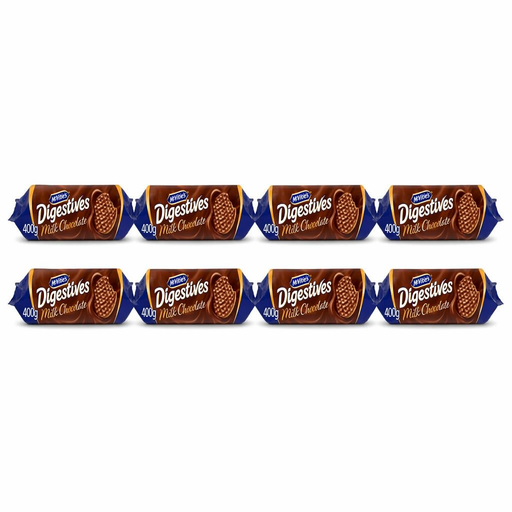 Image unavailable
A milk-chocolate digestive to consider when the school permits chocolate-coated biscuits. This is a 400g pack; check its label for the serving you plan to pack and for ingredients relevant to your child.
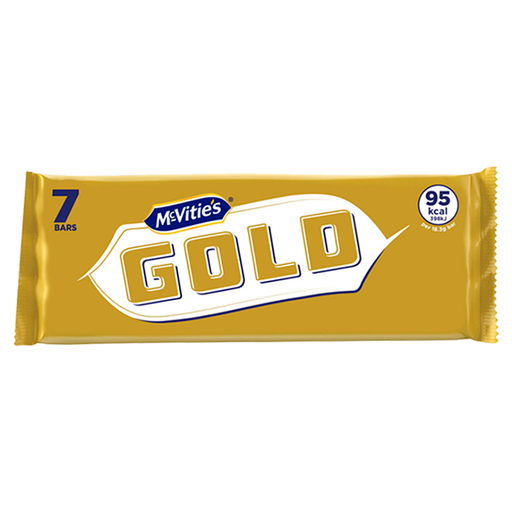 Image unavailable
A biscuit-bar alternative if you are considering one bar instead of a digestive. The pack contains seven bars and weighs 128.4g; check the individual bar’s label, ingredients and wrapping before packing it for school.
 Image unavailable
A dark-chocolate digestive for someone considering a different coating. The bundle contains two 266g packs; check the purchased pack’s ingredients and serving information rather than applying figures from a milk-chocolate variety.
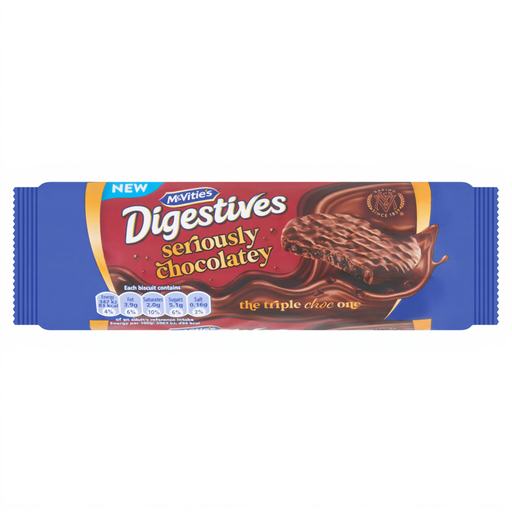 Image unavailable
A 250g chocolate-digestive option for a child who prefers a different recipe. Check this pack’s ingredients and per-biscuit serving information before comparing it with classic milk-chocolate digestives.
 Image unavailable
A single 400g pack for someone choosing a dark-chocolate digestive rather than a milk-chocolate one. Read its own label for allergens and the serving you would pack; the coating alone does not establish a nutritional advantage.
Check your child’s school packed-lunch policy before packing them. Bristol City Council’s school food policy guidance gives an example that asks families not to include chocolate-coated products; the Department for Education’s school-food guidance concerns food provided by state-funded schools in England, not a blanket permission for lunches brought from home.
Check the exact purchased pack’s ingredients and precautionary statements against the child’s dietary requirements. The named McVitie’s and Tesco milk-chocolate digestives list wheat and milk ingredients and soya lecithin; do not assume a different variety has the same recipe.
No: if permitted, it is an optional treat rather than the lunch itself. Plan the rest of the packed lunch separately; NHS lunchbox guidance offers ideas for doing so.