Families decorating biscuits
A ready-coated digestive lets children add decorations to an existing biscuit. Starting with plain digestives and adding chocolate makes the coating a separate part of the activity; an adult should manage hot equipment.


Choose a ready-coated chocolate digestive if children will decorate an existing biscuit, or if a dessert recipe specifies chocolate digestives for its base. Choose plain digestives if adding the chocolate is part of the activity. Check the recipe’s biscuit quantity, the labels of every ingredient and any hot-equipment steps before you begin.
A ready-coated digestive lets children add decorations to an existing biscuit. Starting with plain digestives and adding chocolate makes the coating a separate part of the activity; an adult should manage hot equipment.
Check the biscuit type and weight in your recipe before shopping. Good Food’s no-bake chocolate cheesecake, for example, specifies 300g of chocolate digestives for its crushed base.
Read the actual biscuit pack and the labels of any chocolate, toppings or other dessert ingredients. Coated, dark-chocolate and chocolate-chip digestives have different ingredient lists and precautionary allergy advice.
Decide what the children will do with the biscuits first; then check the recipe, ingredients and pack quantity.
Choose when: Children will decorate an existing chocolate-topped biscuit, or a recipe specifies chocolate digestives.
Trade-off: Coating the biscuit is no longer part of the activity.
Choose when: Adding chocolate is part of what the children want to do.
Trade-off: Good Food’s biscuit recipe cools the biscuits before coating them; an adult needs to manage the hot chocolate and equipment.
| Priority | What to check | Your needs |
|---|---|---|
| Activity | Check whether you need a ready-coated surface, a plain biscuit to coat, or biscuits to crush. Chocolate-chip digestives have chips rather than a chocolate coating. | I want the children to decorate biscuits, add the chocolate themselves or help prepare a dessert base. |
| Recipe fit | Use the biscuit type and weight specified by the recipe. Good Food’s no-bake chocolate cheesecake calls for 300g of chocolate digestives. | If I’m making a base, I need enough of the specified biscuit rather than assuming another chocolate biscuit will behave the same way. |
| Ingredients | Read the delivered pack’s ingredients and precautionary allergy advice, then check every topping or dessert ingredient. The cited McVitie’s and Sainsbury’s dark-chocolate digestives list milk-derived ingredients. | Someone eating the finished biscuits may have an allergy, so the word ‘dark’ alone cannot settle whether a product is suitable. |
| Portions and storage | Compare nutrition figures using the same unit, such as per 100g, and account for toppings. Check the pack’s storage directions if biscuits will be left over. | I want to plan how many biscuits the activity uses and keep any remainder as the purchased pack directs. |
Penguin is a filled sandwich biscuit bar, Club Orange is an orange-flavoured coated bar, and the cited Fox’s product is a chocolate-chunk cookie. A recipe specifying crushed chocolate digestives does not establish any of these as a one-for-one substitute.
For a dessert base, buy the biscuit specified by the recipe unless you intend to adapt and assess it. Choose another format when that biscuit is the point of the activity.
The cited McVitie’s and Sainsbury’s dark-chocolate digestives list milk-derived ingredients. Online product information may also differ from the delivered pack.
Check the actual pack, including precautionary allergy advice, and assess every additional ingredient against the eater’s allergy requirements.
A per-biscuit figure depends on the biscuit’s stated serving weight, while decorations and other dessert ingredients contribute to the finished serving. The NHS also distinguishes a label’s total sugars figure from free sugars.
Compare like-for-like nutrition units and consider the complete biscuit or dessert you plan to serve.
These examples distinguish digestive formats from other chocolate biscuits; a brand’s inclusion does not mean every product in its range fits the same recipe.
Its milk- and dark-chocolate digestives are coated biscuits; plain digestives offer a starting point if adding chocolate is the activity.
Its cited 300g milk chocolate digestive is half-coated and fits a ready-made decorating activity.
The cited range includes milk- and dark-chocolate coated digestives and a separate chocolate-chip digestive.
McVitie’s describes Penguin Original as a coated sandwich biscuit with chocolate-flavoured cream.
The cited Club Orange is an orange-flavoured coated biscuit bar.
The cited half-coated milk-chocolate product is a chocolate-chunk cookie, not an identified digestive.
These are ready-made chocolate digestive options for decorating or for recipes that call for chocolate digestives. If you want children to add the coating themselves, start with plain digestives instead.
 No image available
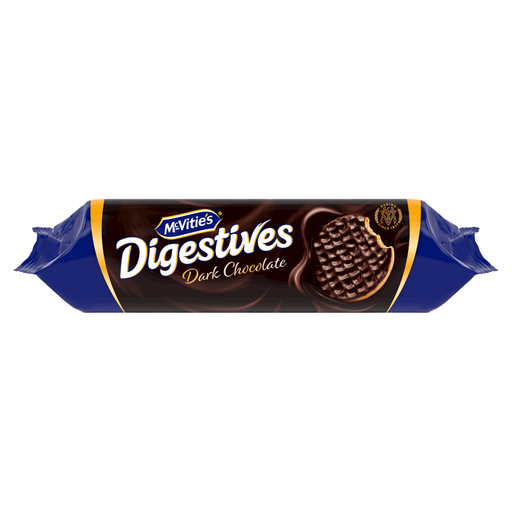
A dark-chocolate digestive option when you want ready-coated biscuits. The twin pack contains 2 x 266g; compare that quantity with your recipe and check the pack’s ingredients, including milk-derived ingredients, before use.
 No image available
Ready-coated dark-chocolate digestives in a 400g pack. Check whether your recipe specifies a particular chocolate type and quantity; McVitie’s dark-chocolate digestives list a milk-derived ingredient.
 No image available
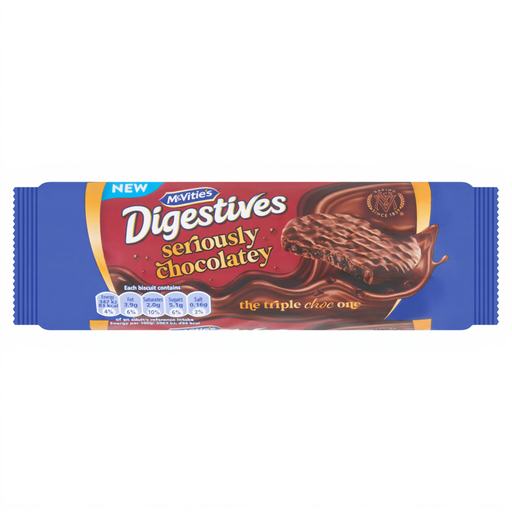
A ready-coated milk chocolate digestive for decorating or a recipe specifying chocolate digestives. The pack is 400g; compare it with the recipe’s required weight and check the biscuit and all added ingredients for allergens.
 No image available
A chocolate digestive option for decorating when the stated 250g pack meets your needs. That pack alone is less than the 300g of chocolate digestives specified in Good Food’s no-bake cheesecake recipe; check the actual pack’s allergy advice.
 No image available
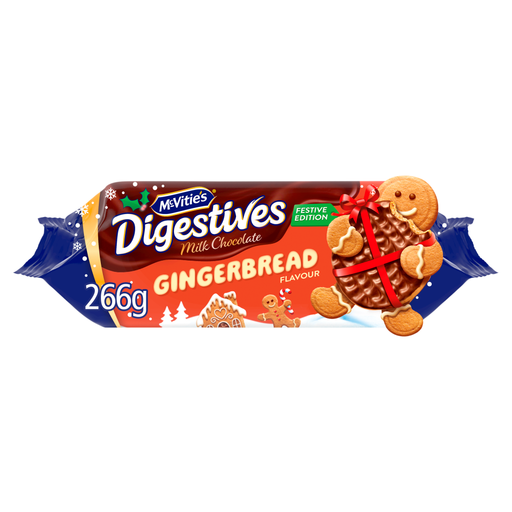
A gingerbread-flavoured chocolate digestive when that flavour suits the planned activity. The 266g pack is less than the 300g specified in Good Food’s no-bake cheesecake recipe, so check both flavour and quantity before using it for a base.
No: the purchased biscuits are ready-made. If the activity also involves melted chocolate or baking, supervise children around hot equipment and let hot food cool before serving, in line with Sheffield Children’s NHS Foundation Trust and NHS kitchen-safety guidance.
Follow your recipe’s biscuit type and quantity first. Good Food’s no-bake chocolate cheesecake specifies 300g of chocolate digestives; Penguin bars, Club Orange bars and the cited Fox’s cookies have different stated formats or flavours, so a one-for-one substitution should not be assumed.
Read the delivered pack before using the biscuits, particularly when someone has an allergy. Tesco and Sainsbury’s advise that online product information can change and should not replace the label.
It can: the cited McVitie’s and Sainsbury’s dark-chocolate digestives list milk-derived ingredients. Check the particular pack and every other ingredient in the activity rather than relying on the word ‘dark’.
Follow the directions on the pack you buy. The cited Tesco and Sainsbury’s digestive listings direct storage in a cool, dry place and an airtight container after opening.