Shared-table organisers
If you are offering biscuits alongside drinks, compare pack sizes and plan somewhere clean and sheltered to serve them. Follow the pack’s instructions once it is open.


Choose a pack of chocolate digestives if you can offer biscuits from a clean, sheltered table. If visitors need to take one snack away, a wrapped biscuit bar may be easier to hand over, but it is not a like-for-like digestive. Check the exact pack’s quantity, storage instructions and allergen label before the event.
If you are offering biscuits alongside drinks, compare pack sizes and plan somewhere clean and sheltered to serve them. Follow the pack’s instructions once it is open.
A wrapped biscuit bar may suit visitors who want to carry one item away. Keep its ingredient information available, and check with the local authority whether your selling activity needs food-business registration.
Keep the packaging for each exact biscuit you offer. Ingredients and precautionary warnings vary: the checked Sainsbury’s milk-chocolate digestives, for example, carry an oat-allergy warning linked to manufacturing methods.
Choose when: You can offer biscuits from a clean, sheltered serving point alongside drinks.
Bear in mind: An opened pack needs the storage specified on its label; the checked digestive listings call for an airtight container.
Choose when: Visitors need to take an intact snack away while browsing.
Bear in mind: Penguin Original and Club Orange are different biscuits from chocolate digestives, so a digestive taste-test result does not describe them.
| Priority | What to check | Your needs |
|---|---|---|
| Biscuit style | Decide whether you want a chocolate digestive, a biscuit bar or a different coated biscuit. Good Housekeeping Institute’s June 2026 blind tasting compared milk-chocolate digestives, not bars or shortcake rounds. | I want a classic digestive with drinks, or a different flavour and format for visitors who would prefer one. |
| Serving format | Check whether you can protect a shared pack from handling and damp, or need a wrapped item to hand over. Confirm how the particular bars are packed. | If people will walk around with their snacks, I would rather hand over an intact portion than serve from an open packet. |
| Pack quantity | Compare pack weights and the stated biscuit or bar count. Tesco Groceries lists approximately 16 biscuits in its checked 266g McVitie’s pack; Sainsbury’s describes approximately 18 servings in its checked 300g pack. Biscuits and servings are not necessarily the same measure. | I need enough portions for the refreshments I plan to offer, without treating pack weight alone as a portion count. |
| Storage | Read the exact pack’s instructions before setting up. The checked digestive listings call for cool, dry storage and an airtight container after opening. | My serving point may be outdoors for several hours, so I need a sheltered place and a way to put opened biscuits away. |
| Allergen information | Read the current ingredients and precautionary statements for each exact product. Keep its original packaging available, particularly if biscuits are served loose. | If someone asks about an allergy, I need to identify the biscuit offered rather than rely on the brand or its appearance. |
Penguin and Club bars, and chocolate-coated shortcake rounds, have different formats from the milk-chocolate digestives in Good Housekeeping Institute’s June 2026 tasting.
Choose the serving format first, then compare biscuits of the same kind when taste-test results matter to you.
The checked McVitie’s digestive pack is 266g, while the checked Tesco and Sainsbury’s packs are 300g. Weight does not tell you how many biscuits or hand-outs you will have.
Check the stated count or serving information on each pack and plan for the number of people you expect to serve.
Exact products can carry different ingredients and precautionary warnings. The checked Sainsbury’s digestives include an oat-allergy warning, while the checked Fox’s rounds say they may contain nuts.
Keep each original label available and do not describe a biscuit as free from an allergen unless its current label supports that description.
The checked digestive listings instruct buyers to store opened biscuits in an airtight container. An outdoor table also needs protection from handling and the weather.
Use a clean, sheltered serving point and return opened biscuits to a suitable container.
These examples distinguish digestives from other chocolate biscuits; check the exact product rather than assuming every item in a brand’s range is alike.
The checked milk-chocolate digestive is a 266g pack for shared serving.
The checked own-label milk-chocolate digestive comes in a 300g pack.
The checked own-label milk-chocolate digestives come in a 300g pack described as approximately 18 servings.
Penguin Original is a McVitie’s biscuit-and-cream bar rather than a digestive.
Club Orange is a McVitie’s orange-flavoured biscuit bar, not a digestive.
The checked Chocolatey Milk Chocolate Rounds are chocolate-coated shortcake biscuits in a 130g pack.
These options include packs for a shared biscuit table and a twin-bar multipack to consider for take-away snacks. Check each exact pack’s wrapping and label against the way you plan to serve it.
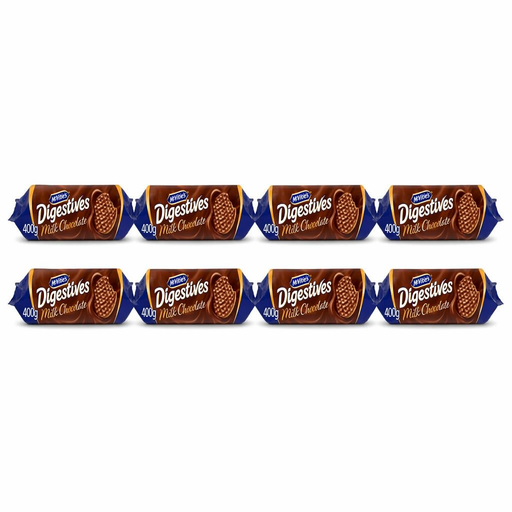 No image available
A milk-chocolate digestive pack to consider for a shared table. The stated pack weight is 400g; check the biscuit count, current allergen label and instructions for storing it once opened.
 No image available
Consider this dark-chocolate digestive variant if you want a different flavour at the shared table. It contains two stated 266g packs; check each pack’s biscuit count and label before serving.
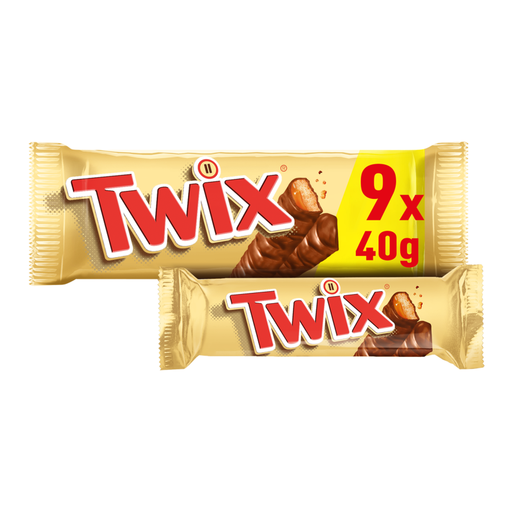 No image available
This twin-bar multipack is an alternative to a shared digestive packet, not a digestive. Check the wrapping of each of the nine stated 40g units and keep its allergen information available if offering them to take away.
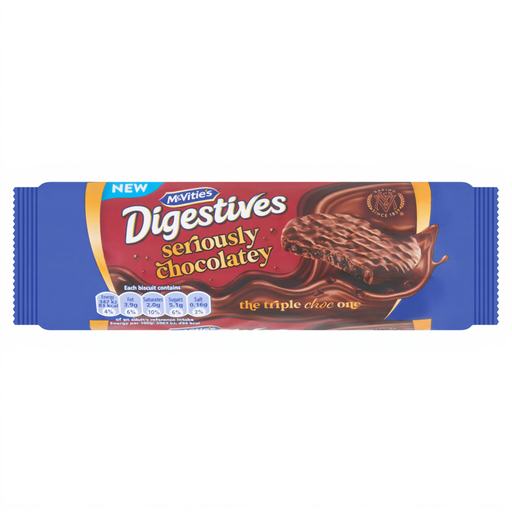 No image available
Another digestive pack to consider for shared refreshments, with a stated weight of 250g. Check its biscuit count, current allergen warnings and storage instructions rather than treating it as the same variety as the milk-chocolate digestive above.
 No image available
This is a non-digestive chocolate biscuit option for a shared table. The twin pack states two 262g packs; check the exact ingredients, biscuit count and storage directions before offering it alongside digestives.
A digestive pack suits shared refreshments if you have a clean, sheltered serving area. A wrapped bar suits handing over one snack to take away, provided the exact bar is packaged as you need; Penguin and Club bars are not digestives. Keep the relevant ingredient information available either way.
Follow the exact pack’s storage instructions. The checked digestive listings call for cool, dry storage and an airtight container after opening; keep an outdoor serving point sheltered and its surfaces clean.
Check the current label of the exact biscuit you are offering, including precautionary statements, and keep its packaging available. For example, the checked Sainsbury’s milk-chocolate digestive label says the product is unsuitable for customers with an oat allergy because of manufacturing methods.
If your activity is a food business, the Food Standards Agency and Food Standards Scotland say it must be registered with the local authority at least 28 days before food operations begin. Selling or occasionally sharing refreshments does not, by itself, establish how your particular activity is classified; ask the relevant local authority before assuming registration is or is not required.
Yes. For food businesses in England, Northern Ireland and Wales, Food Standards Agency guidance distinguishes prepacked from non-prepacked food and requires allergen information for both. Food Standards Scotland says food prepacked for direct sale needs the food name and an ingredients list with required allergens emphasised. Check the rules for your location and how you will present the biscuits; do not assume the manufacturer’s label will remain with food you repackage.