
24/7 Customer Support

Free returns

Same-day & Next-day Delivery

Quality Guaranteed

Unlock Your Welcome Offers: FREE Delivery | Up to 80% OFF | Free 30-day JoyPlus trial
Download the APP
Chocolate drinks cover several very different purchases. A chilled protein shake for after the gym is not interchangeable with a meal replacement, while drinking chocolate is designed primarily for flavour and comfort. Choosing by the word “chocolate” alone can leave you with the wrong nutrition profile, an unsuitable allergen list or a powder that rarely gets used.
This guide compares the practical details UK shoppers should check before buying, including protein, calories, sugar, preparation, pack size and dietary suitability.
A hot chocolate powder may contain cocoa, sugar and flavouring, but it is not automatically a source of meaningful protein or a meal substitute. Conversely, a chocolate meal replacement is formulated for a different use and may provide considerably more calories, fibre, protein and added micronutrients.
Always decide whether you want:
A product labelled “no added sugar” can still contain naturally occurring sugars, such as those from milk. For example, the Applied Nutrition double chocolate shake lists 17g of sugars per 500ml bottle despite containing no added sugar according to its product information.
Check the nutrition panel for sugars per serving, not just the front-of-pack wording. Chocolate powders can also become higher in calories when prepared with whole milk, cream or extra sweeteners.
Comparing a powder per 100g with a ready-to-drink bottle per serving can make products appear more or less substantial than they really are. Preparation also changes the result: skimmed milk, semi-skimmed milk and plant-based alternatives have different calories and nutritional values.
For a fair comparison, record the prepared serving size, energy, protein, carbohydrate, sugar, fat and fibre.
Gym-goers may prioritise protein shakes with a clearly stated amount per bottle. The Applied Nutrition Double Chocolate shake provides 42g of protein per 500ml bottle, while its White Chocolate version provides 20.2g per 330ml bottle. These are substantially different serving sizes, so compare both the protein amount and the volume.
Meal replacement shakes have a broader purpose. Huel Ready-to-Drink Complete Meal Chocolate lists 20g of protein, 7g of fibre and 400 calories per 500ml bottle, alongside 26 vitamins and minerals in the supplied product information. This makes it a different choice from a low-calorie protein drink.
A product suitable for a quick protein top-up may not provide enough energy to replace lunch. Conversely, a 400-calorie bottle may be more than you want alongside a normal meal.
Fibre can also influence how filling a product feels, but it should not be treated as a guarantee of satiety. Compare the label with your own eating pattern and follow the recommended serving instructions.
Milk-based protein drinks are unsuitable for people with milk allergies and may not fit vegan diets. Powders may contain milk, soya, barley, wheat or oats. Huel’s supplied information identifies oat ingredients and possible mustard traces for some versions, while Milo contains barley, wheat, milk and soya.
Check the packaging every time, particularly if you have an allergy or intolerance. Ready-to-drink products generally need shaking before opening and refrigeration after opening. The supplied guidance for the Applied Nutrition shakes says to consume opened bottles within 24 hours; Huel’s listed guidance says within 12 hours for some versions. Follow the label on the product received.
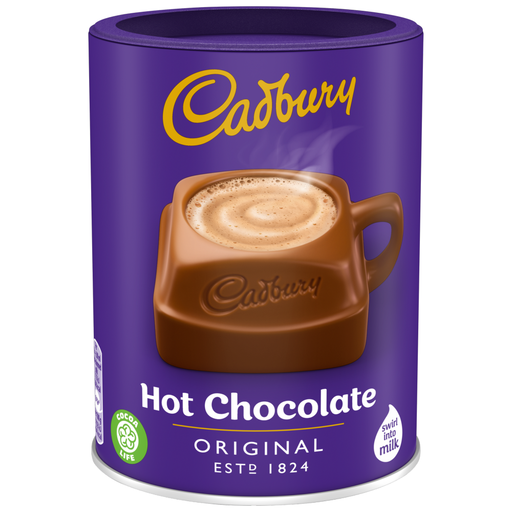
Why This Fits Their Persona: A straightforward cupboard option for households wanting familiar hot chocolate with simple preparation using hot milk.
It is clearly positioned as drinking chocolate rather than a protein or meal replacement product, reducing the risk of buying it for the wrong purpose.
Suitable for vegetarians; intended to be mixed with hot milk; available in a 250g pack.
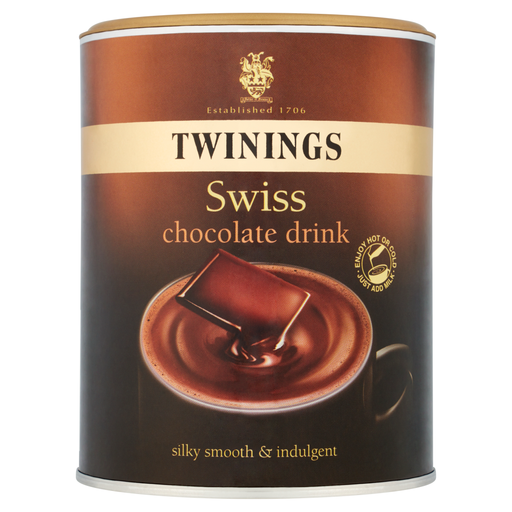
Why This Fits Their Persona: Suitable for shoppers looking for a chocolate drink that can be prepared with hot or cold milk.
The preparation method and per-100g nutrition information are listed, helping you account for milk and powder quantities.
Gluten-free according to the supplied product information; suitable for vegetarians; 350g pack.
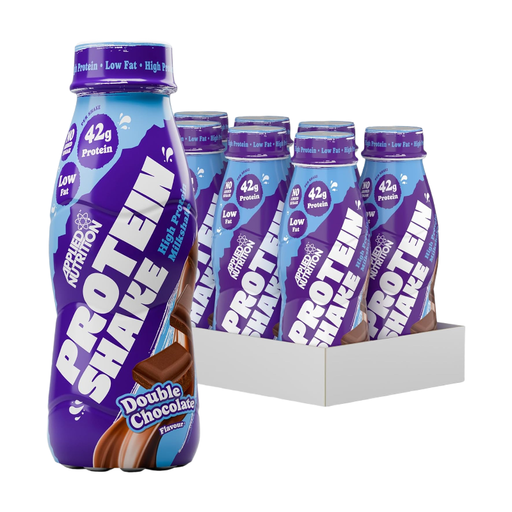
Why This Fits Their Persona: A practical match for adults who want a substantial ready-to-drink protein shake after training or during a busy working day.
The bottle states 42g protein and 240 calories per 500ml, so the serving contribution is clear rather than hidden behind vague fitness language.
Ready to drink; low in fat; no added sugar according to the supplied details; pack of eight.
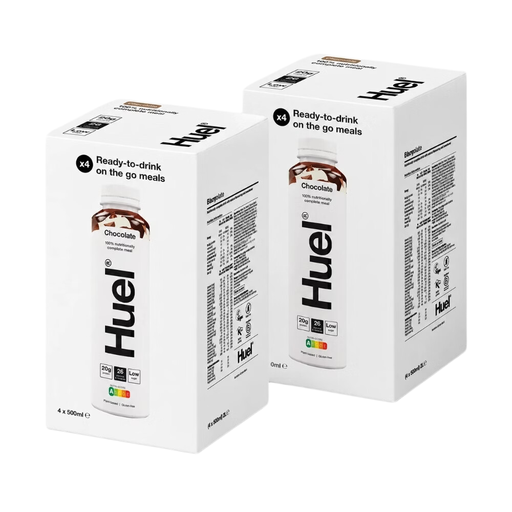
Why This Fits Their Persona: Designed for adults who need a portable chocolate meal replacement for commuting, office days or travel.
It provides a stated 400 calories, 20g protein and 7g fibre per bottle, helping distinguish it from a smaller protein-only drink.
Ready-to-drink format; plant-based ingredients listed; includes 26 vitamins and minerals and is low in sugar according to the supplied information.
We have compiled a complete, real-time list of products that fully satisfy these strict selection criteria and UK safety regulations.
It depends on the product. Drinking chocolate is usually a sweet beverage rather than a complete breakfast. A meal replacement may provide protein, fibre, calories and added vitamins and minerals, but it should still be used according to its label and not treated as a permanent substitute for a varied diet.
The answer depends on pack size, serving size and convenience. Powder can reduce packaging and may offer a lower cost per serving, but ready-to-drink protein shakes require no shaker, water or mixing. Calculate the price per bottle or prepared serving rather than comparing pack prices alone.
Keep unopened powders in a cool, dry place and reseal them after use. Ready-to-drink bottles should be stored as directed on the packaging. Shake before opening where instructed, refrigerate after opening and observe the stated consumption window. Always check the current label for ingredients, allergens, storage and use-by information.