
24/7 Customer Support

Free returns

Same-day & Next-day Delivery

Quality Guaranteed

Unlock Your Welcome Offers: FREE Delivery | Up to 80% OFF | Free 30-day JoyPlus trial
Download the APP
Chocolate drinks cover everything from a quick mug of hot chocolate to chilled chocolate milk drinks and ready-to-drink meal replacements. The right choice depends on how you plan to use it, what you need to avoid and whether you value convenience, nutrition or a richer café-style taste.
Before adding a tub or multipack to your basket, look beyond the front-of-pack wording. Several common buying traps can make a product less suitable than expected.
A darker-looking powder is not automatically low in sugar. Check the nutrition panel for sugars per 100g and, where available, per prepared serving. Some drinking chocolate powders contain mostly sugar with a smaller proportion of cocoa, while others use cocoa powder, maltodextrin or sweeteners to create a particular texture.
Also check how the serving is prepared. Adding whole milk, syrup or whipped cream can considerably change the energy and sugar content compared with the powder alone.
A vegan chocolate drink may still contain potential allergen warnings, and an oat-based product may not suit everyone avoiding gluten. Ingredients and allergen statements can vary between products and packaging updates.
For example, Happi Oat Milk Chocolate Buttons are marketed as dairy-free and plant-based, but the supplied listing also includes an allergen warning relating to oats and possible traces of wheat, peanuts, soya, milk and nuts. Always read the current label if you have an allergy or intolerance.
Hot chocolate powders are economical for households making several mugs, but they need a kettle, mug and milk or plant-based alternative. Hot chocolate pods are fast and create less measuring, but compatible machines and two-pod systems can increase the cost per serving.
A ready-to-drink chocolate meal replacement is convenient for commuting or keeping at work, but it is a substantially different purchase from an occasional chocolate beverage. Check bottle size, storage requirements and whether it is intended to replace a meal.
Choose the format according to your routine:
For a vegetarian or vegan chocolate drink, look for a clear dietary statement and then confirm the ingredients. Milk powder, whey, milk chocolate and milk fat are obvious dairy indicators. Soya lecithin can appear in chocolate powders and pods, while barley or wheat may be present in malted drinks.
If you are choosing a vegan chocolate drink, do not assume that “oat” or “plant-based” alone confirms suitability. For allergies, the bold allergen declaration and “may contain” statement are more important than promotional wording.
Compare products on a consistent basis:
For reference, Costa Hot Chocolate lists 10g of sugar per 20g powder serving, while Cadbury Highlights Milk Chocolate Drink lists less than 2.5g of sugars per 100ml of prepared drink according to its supplied product information. These figures are not directly interchangeable without checking preparation instructions.
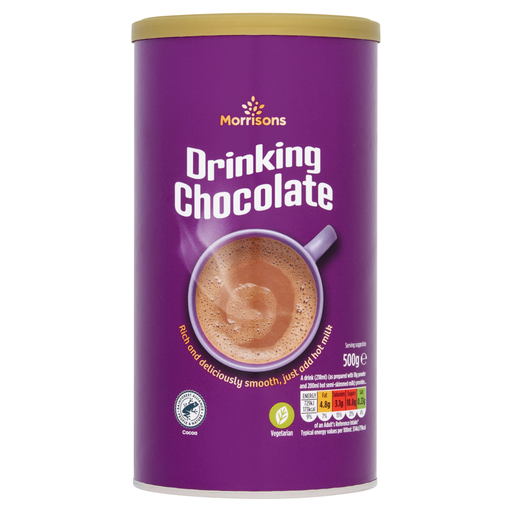
Why This Fits Their Persona: A 500g tub suits households that want a familiar drinking chocolate powder for regular mugs, sharing and casual home use.
The ingredient list and nutrition panel make it easier to assess sugar and serving size rather than relying on vague refreshment claims.
500g pack; contains 25% cocoa powder; prepared with hot milk.
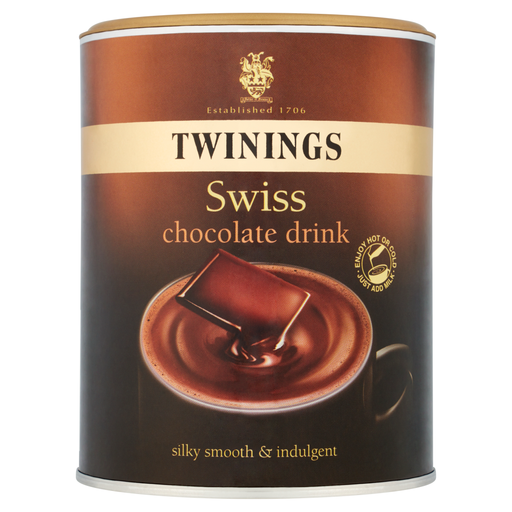
Why This Fits Their Persona: Suitable for shoppers seeking a smooth chocolate drink that can be prepared with hot or cold milk for different occasions.
The listing provides cocoa, chocolate and serving information, helping buyers distinguish a prepared drink from a ready-made beverage.
350g powder; suitable for vegetarians; can be served hot or cold.
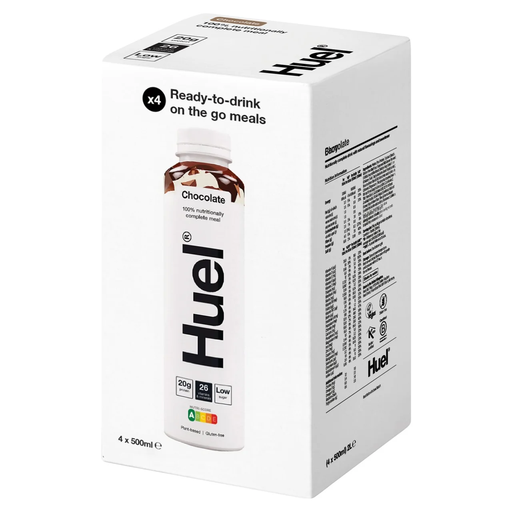
Why This Fits Their Persona: Designed for adults who need a portable chocolate-flavoured meal option for commuting, workdays or activities where preparation is difficult.
It is clearly presented as a meal replacement rather than an occasional hot chocolate, with usage, storage and adult-use guidance.
400 kcal and 20g protein per 500ml bottle; 26 listed vitamins and minerals; ready to drink.
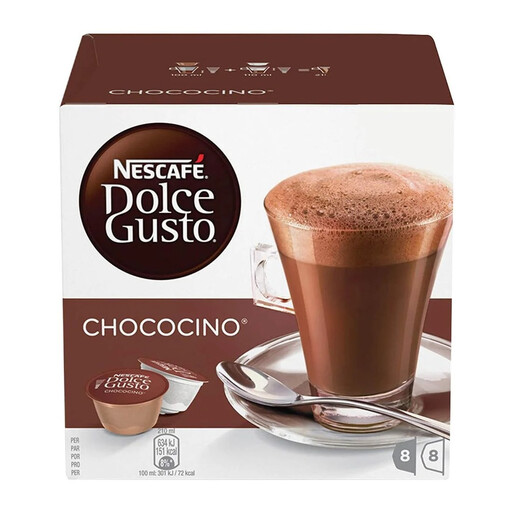
Why This Fits Their Persona: A practical option for households with a compatible Dolce Gusto machine that want portioned hot chocolate with minimal measuring.
The pack clearly contains 16 pods but makes 8 servings, so buyers can calculate the actual number of drinks before purchasing.
Two-pod preparation; milk and chocolate capsules; frothy hot drink format.
We have compiled a complete, real-time list of products that fully satisfy these strict selection criteria and UK safety regulations.
Not always. Drinking chocolate powders such as Cadbury Drinking Chocolate and Costa Hot Chocolate are generally mixed with hot milk or a plant-based alternative. Some powders can also be served cold if the instructions allow it. Ready-to-drink chocolate milk drinks are served according to the label, while meal replacement bottles are commonly shaken and served chilled.
Compare sugars per prepared serving, not only the powder’s front label. Check whether the product uses sweeteners, how much powder is recommended and what type of milk is added. Cadbury Highlights Milk Chocolate Drink provides a lower-sugar positioning in its supplied product information, but the exact preparation method still affects the finished drink.
Some do. MILO products listed here contain malted barley, and one listing also identifies wheat. Barley and wheat are gluten-containing cereals, so chocolate malt drinks may not suit people avoiding gluten. Always check the current packaging, especially when purchasing for children or anyone with a declared allergy.