
24/7 Customer Support

Free returns

Same-day & Next-day Delivery

Quality Guaranteed

Unlock Your Welcome Offers: FREE Delivery | Up to 80% OFF | Free 30-day JoyPlus trial
Download the APP
From a comforting mug on a chilly evening to a convenient post-workout refuel, chocolate drinks are a staple in many UK households. Yet, the sheer variety can be overwhelming. The shelves are filled with everything from classic powders to high-tech meal replacements, and not all of them deliver on their promises. As a Joybuy Product Recommendation Officer, my role is to help you see past the marketing jargon and make a choice that genuinely suits your needs and budget.
Before you add another tub or carton to your basket, let's look at the common pitfalls that lead to disappointing purchases.
To avoid these traps, focus on a few core parameters. Understanding these will empower you to choose a chocolate drink that you'll enjoy to the last drop.
The foundation of any good chocolate drink is the cocoa itself. Instead of being swayed by fancy branding, check the ingredients list for the cocoa powder percentage. A higher percentage often indicates a richer, more intense chocolate flavour and less reliance on sugar for taste. Also, look for sourcing certifications like Rainforest Alliance or Cocoa Life. These don't just signal ethical and sustainable farming practices; they often correlate with higher quality control from bean to cup.
The type of sweetener used dramatically affects both the taste and the nutritional profile.
low calorie hot chocolate options to reduce sugar content. Some people find they have a distinct aftertaste.Thickeners (like Gellan Gum) and emulsifiers (like Sunflower Lecithin) are also common. They are not necessarily bad—they are added to create a smooth, consistent texture and prevent separation, which is especially important in ready to drink chocolate milk.
Your lifestyle should dictate the format you choose.
To help you navigate the options, here are a few recommendations matched to different needs and lifestyles.
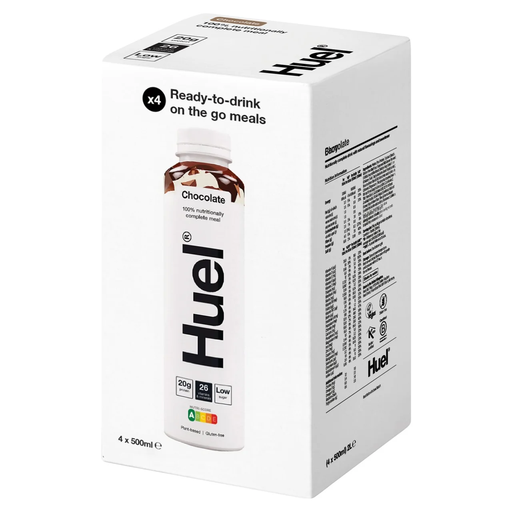
Why This Fits Their Persona: This is the perfect solution for someone who needs a quick, balanced lunch between meetings or on their commute. It's a functional chocolate meal replacement that removes the guesswork from nutrition.
It sidesteps the "healthy illusion" by being transparently functional. It's low in sugar and fortified with 26 essential vitamins and minerals, delivering on its promise of a complete meal.
Provides a balanced 400-calorie meal with 20g of plant-based protein. Extremely convenient with no preparation needed.
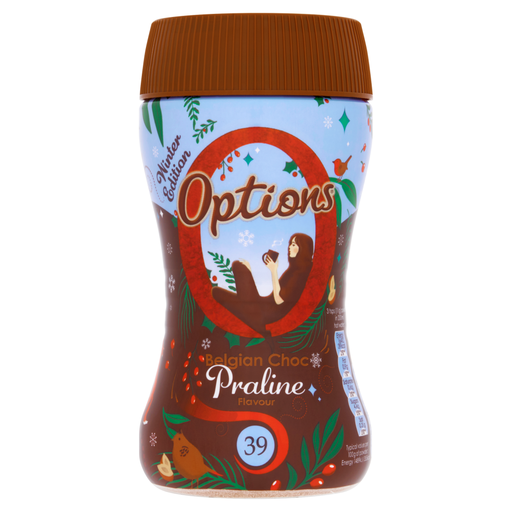
Why This Fits Their Persona: For those who crave a comforting hot chocolate but are mindful of their calorie intake. This low calorie hot chocolate delivers an indulgent nutty flavour without the associated guilt.
It directly counters the "healthy illusion" trap by being explicitly low in calories (only 39 per serving) and using sweeteners instead of a high sugar content, making it a transparent choice.
Offers a rich, satisfying flavour for very few calories. It's also gluten-free and made with Rainforest Alliance Certified cocoa.

Why This Fits Their Persona: For families and individuals who want that classic, nostalgic "hug in a mug". This hot chocolate powder is a household name for a reason, delivering a reliably smooth and comforting taste.
It avoids the "gourmet" trap by being an honest, unpretentious classic. Its value is in its familiar, consistent quality, not in exotic claims. It's simply a great-tasting drinking chocolate.
Iconic and versatile flavour that works well with hot milk for a creamy drink. Made with sustainably sourced cocoa through the Cocoa Life programme.
We have compiled a complete, real-time list of products that fully satisfy these strict selection criteria and UK safety regulations.
This depends on the product. Many "instant" hot chocolates, particularly lower-calorie versions, are specifically formulated to dissolve well and taste pleasant with just hot water. However, traditional hot chocolate powder like Cadbury's is designed to be mixed with milk, which provides the necessary creaminess and fat for a rich, smooth texture. Using water with these may result in a thin, less satisfying drink. Always check the preparation instructions on the packaging for the recommended method.
While both can come in a chocolate flavour, their purposes are very different. A chocolate meal replacement is designed to be nutritionally complete, providing a balanced ratio of protein, carbohydrates, fats, fibre and a full spectrum of essential vitamins and minerals. It can stand in for a whole meal. In contrast, a chocolate-flavoured protein shake is a supplement focused almost exclusively on providing a high dose of protein to support muscle repair and growth, and it lacks the balanced nutrition to be considered a meal.
The creaminess of a vegan chocolate drink depends heavily on its plant-based source. Options made with oat milk are often praised for their exceptionally creamy texture, which many find comparable to dairy. Soy-based drinks, like Vitasoy, offer a smooth but distinct texture of their own. Almond-based drinks tend to be lighter. Modern formulations have improved significantly, so a well-made vegan chocolate drink can certainly be just as indulgent and creamy as its dairy counterpart.