
24/7 Customer Support

Free returns

Same-day & Next-day Delivery

Quality Guaranteed

Unlock Your Welcome Offers: FREE Delivery | Up to 80% OFF | Free 30-day JoyPlus trial
Download the APP
Buying chocolate multipack bars can look straightforward, but pack size, portion format and ingredient details can make a noticeable difference to value and convenience. A small three-pack may suit occasional treats, while a 12- or 16-pack can be more practical for lunchboxes, office drawers or parties.
The key is to compare the information on the pack rather than relying on promotional wording. Here are the main pitfalls to avoid before choosing your next chocolate snack multipack.
Some multipacks contain twin bars or multiple fingers inside each wrapper. For example, a pack described as 10 individually wrapped fingers may not equal 10 full-sized chocolate bars. Check both the total net weight and the number of separately wrapped portions.
This is particularly important when comparing a Kinder Bueno multipack with standard milk chocolate bars or smaller chocolate wafer bars. A higher bar count does not automatically mean better value if each portion is considerably smaller.
Chocolate bars commonly contain milk, soya and wheat, while hazelnut chocolate bars and mixed nut products may also contain peanuts or other nuts. Ingredient lists can vary between formats and pack sizes, even within the same brand.
If you are buying for a school lunchbox, office or party, read the latest packaging carefully. Products such as Kinder Bueno White, Kinder Bueno Classic, Blue Riband Hazelnut and KIND Caramel Chocolate Peanut Bars all require particular attention to their stated allergens.
Large chocolate snack multipacks can be useful for families or events, but they may be unsuitable if you only want occasional treats. Chocolate is also sensitive to heat and direct sunlight. A cupboard multipack should be stored in a cool, dry place, and the best-before information should be checked before buying larger quantities.
Compare the net quantity, not just the headline pack count. Current examples range from Kinder Bueno White 3 Pack at 117g to Twix Chocolate Bar Twin Snack Bars 9 Pack at 360g. Divide the total price by the number of individually wrapped portions to understand the practical cost of each snack.
For sharing chocolate bars, a larger total weight may be more convenient. For personal treats, smaller portions can help prevent an opened pack from being left exposed.
Individually wrapped chocolate bars are useful for lunchboxes, desk drawers, travel and controlled sharing. They also help protect texture after the outer pack is opened. The Kinder Bueno White 5-Pack contains 10 individually wrapped fingers, while Galaxy Ripple 7 Pack contains seven individually wrapped bars.
Other products are designed more for communal serving. Maltesers Chocolate Box Gift 310g, for instance, contains bite-sized pieces in a shareable box rather than separate bar wrappers.
Check the full ingredient list and the nutrition panel per 100g or per serving. For comparison, the supplied products list energy values from around 464 kcal per 100g for Nature Valley Sweet & Salty Nut bars to approximately 603 kcal per 100g for Ferrero Rocher.
These figures are not a health assessment; they simply help you compare products. Look for the per bar or per finger information when available, especially if you are choosing between standard bars, wafer fingers and smaller mini treats.

Why This Fits Their Persona: The 12-pack offers multiple individually portioned wafer bars for lunchboxes, shared office cupboards or regular afternoon snacks.
The listing states the pack contains 12 bars with a total weight of 216g, making the quantity easier to compare with other chocolate wafer bars.
Each bar is listed at 18g, with milk chocolate and layered wafer. The stated energy value is 94 kcal per bar.
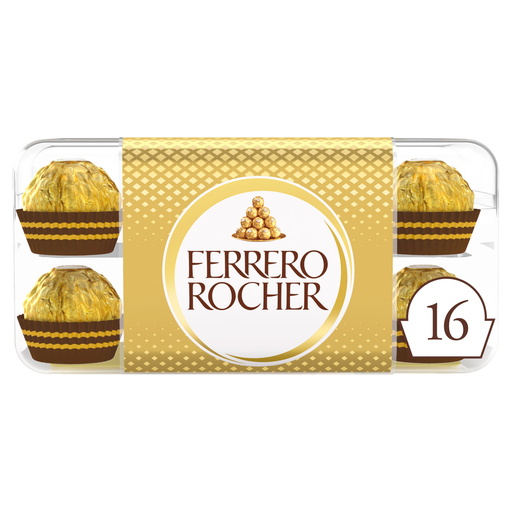
Why This Fits Their Persona: The 16-piece format is suited to gifting, hosting and occasions where individually presented hazelnut chocolates are more appropriate than everyday snack bars.
The listing clearly states the 200g total quantity and identifies hazelnuts, milk, soya and wheat as allergens.
Contains 16 individually presented chocolates, with a whole hazelnut and layered chocolate and wafer structure described in the product information.
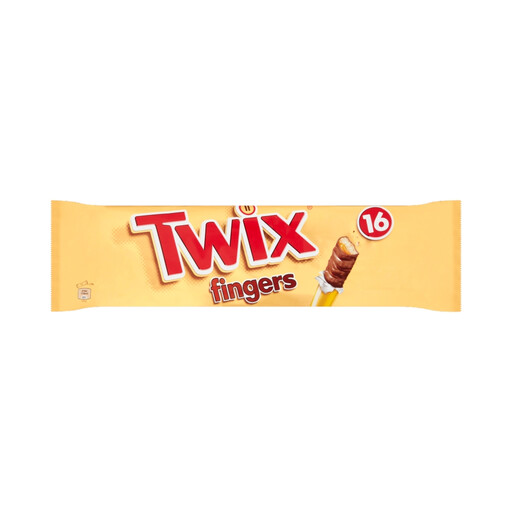
Why This Fits Their Persona: Sixteen individually wrapped 20g biscuits work well for busy households, workplace snack supplies, parties and repeated lunchbox use.
The format gives a clear portion size and a stated 16-pack count, rather than relying only on a large outer-pack image.
Combines biscuit, caramel and milk chocolate, with each piece listed as 20g and individually wrapped.
We have compiled a complete, real-time list of products that fully satisfy these strict selection criteria and UK safety regulations.
For hazelnut chocolate bars, Kinder Bueno Classic 6 Pack 129g and Kinder Bueno Classic 10 Bars 215g provide wafer, milk chocolate and hazelnut filling in individually wrapped formats. Kinder Bueno White 3 Pack 117g and 5-Pack 195g use a white chocolate coating instead.
For caramel flavours, Tunnocks Milk Chocolate Caramel Wafer 8 Pack and Twix Chocolate Bar Twin Snack Bars 9 Pack offer different portion sizes and textures. Terry’s Chocolate Orange Bars 3-Pack, McVitie’s Club Orange 7 Bars and Galaxy Ripple 7 Pack are alternatives for orange or smooth milk chocolate preferences.
For smaller family treats, Kinder Chocolate Mini Treats 200g offers individually wrapped pieces, while Kinder Surprise 3 x 20g includes a toy and requires careful opening under adult supervision. Always check the packaging for the latest allergen and safety information.
They can offer a lower cost per portion, but this depends on the retailer, promotion, pack size and bar weight. Compare the total price with the number of grams and individually wrapped portions, rather than the pack count alone.
Keep them in a cool, dry place away from direct sunlight and heat sources. Avoid leaving chocolate in a hot car or near a radiator, as heat can affect the coating and texture. Check the best-before date on the actual packaging.
Individually wrapped chocolate wafer bars and smaller milk chocolate bars are generally convenient for lunchboxes. Check the product’s allergen statement first, particularly where schools or households have nut, milk, wheat or soya restrictions.