
24/7 Customer Support

Free returns

Same-day & Next-day Delivery

Quality Guaranteed

Unlock Your Welcome Offers: FREE Delivery | Up to 80% OFF | Free 30-day JoyPlus trial
Download the APP
Finding the perfect chocolate oat biscuit for your tea break or snack drawer seems simple enough. Yet, the supermarket aisle is filled with options that can be misleading. Many shoppers find themselves with a packet of biscuits that are either disappointingly bland, surprisingly sugary or have a texture that just isn't right. It's easy to be swayed by clever packaging that promises wholesome goodness but hides less-desirable ingredients.
As the Joybuy Product Recommendation Officer, my role is to help you navigate these choices. We will look past the marketing hype to focus on what truly matters. Before you add that next box of biscuits to your basket, let's break down the common traps that lead to buyer's remorse.
To ensure you get a product that meets your expectations, focus on these three key details on the packaging.
The heart of any oat biscuit is, of course, the oats. The form they take significantly impacts both nutrition and texture.
A combination of both is common, but the dominant ingredient will define the biscuit's character.
To avoid the "healthy halo" trap, always check the nutritional table.
If you have specific dietary needs, careful label-checking is non-negotiable.
Here are a few options that align with different needs and preferences, helping you sidestep the common pitfalls.
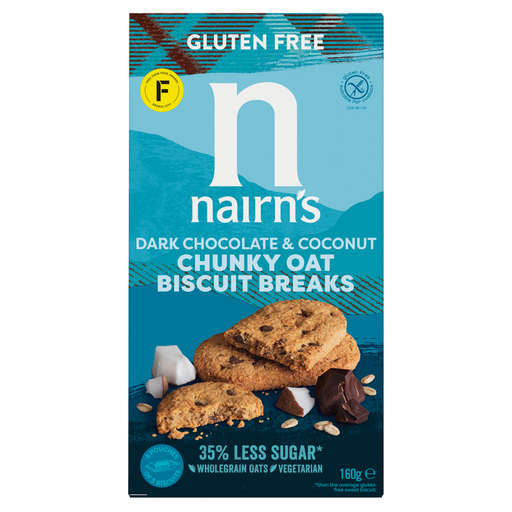
Why This Fits Their Persona: This is an excellent choice for UK shoppers managing their sugar intake or requiring a gluten-free diet. The handy pouch packs make them convenient for a controlled treat without overindulging.
It directly counters the "Healthy Halo" trap by containing 35% less sugar than the average sweet gluten-free biscuit. It also avoids the "Free-From Gamble" by using certified gluten free wholegrain oats.
A high oat content (57%) provides a good source of fibre and the use of sustainable palm fruit oil is a conscious choice. The combination of dark chocolate and coconut offers a satisfying flavour.
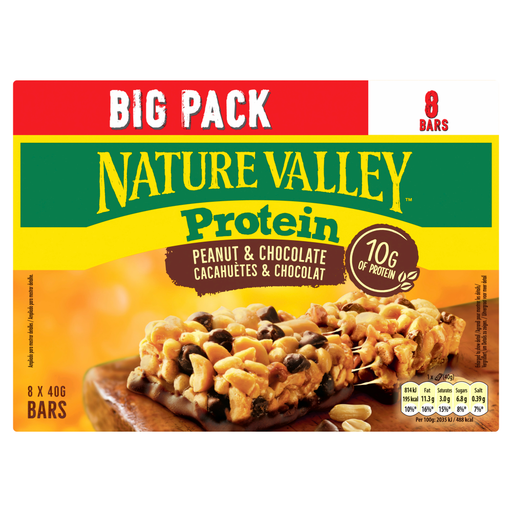
Why This Fits Their Persona: For busy professionals or fitness enthusiasts in the UK, these oat bars are a practical choice. They are individually wrapped for convenience and formulated to provide a substantial protein boost to combat midday hunger or aid post-workout recovery.
This product avoids vague "healthy" claims by delivering a specific, verifiable metric: 10g of protein per 40g bar. This transparency allows you to make an informed choice based on your nutritional goals.
The high protein and fibre content from peanuts and soy protein isolate promotes satiety. It is also gluten-free and contains no artificial flavours or colours.
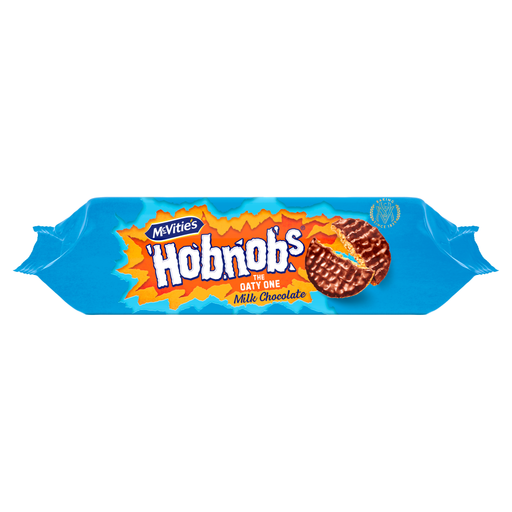
Why This Fits Their Persona: For the person who believes a biscuit's primary job is to be a delicious, satisfying companion to a cuppa, the classic McVitie's Hobnobs is the benchmark. It's an unapologetic treat focused on flavour and that signature knobbly, crunchy texture.
It masterfully avoids the "Texture Mismatch" pitfall. It doesn't try to be a soft cookie or a dense bar; it is the definitive crunchy oat biscuit, delivering exactly the experience fans expect.
The combination of 30% rolled oats and 16% wholemeal wheat flour creates its iconic, hearty crunch. The thick milk chocolate coating provides a perfect balance of sweetness.
We have compiled a complete, real-time list of products that fully satisfy these strict selection criteria and UK safety regulations.
They can be a more wholesome choice compared to other biscuits if you select carefully. An oat biscuit can be a good source of fibre, which aids digestion and provides slow-release energy. However, the "healthiness" depends entirely on the specific product's recipe. Check for high whole grain content, a sugar content of less than 25g per 100g and a short ingredients list without excessive additives. As with any treat, portion control is key.
In the UK market, the terms often relate to texture. Biscuits, like Hobnobs, are typically firm, brittle and crunchy, making them sturdy enough for dunking in tea or coffee. Oat cookies, on the other hand, are generally softer, moister and chewier. They might contain larger, softer chunks of chocolate or fruit and have a more cake-like consistency. Always check the product description for words like "crunchy," "crumbly" or "chewy" to understand what you're buying.
Extreme caution is advised. Even if a biscuit recipe does not contain nuts, many are produced in factories that handle peanuts and tree nuts. This creates a risk of cross-contamination. If you have a nut allergy, you must look for products that are explicitly labelled as being made in a "nut-free facility." Always read the allergen statement on the packaging, which will list any "may contain" warnings.