Hosts catering for different tastes
If some guests would prefer dark chocolate to white or milk chocolate, compare ready-to-eat bars rather than replacing every sweeter option with dark.


Choose a high-cocoa dark bar instead of white chocolate when the guests you are catering for are likely to prefer a less-sweet, cocoa-led taste; there is no reason to assume everyone will want the same option. For direct sharing, compare the bar’s cocoa percentage and pack size. For desserts, look at cooking chocolate instead, and check the current pack’s allergy information whichever format you choose.
If some guests would prefer dark chocolate to white or milk chocolate, compare ready-to-eat bars rather than replacing every sweeter option with dark.
For brownies, tiffin, cookies or other prepared food, a cooking-labelled dark chocolate is more relevant than a bar chosen solely for handing out.
Check the allergy statement on each current pack. A dark label or high cocoa percentage does not establish whether a particular chocolate is suitable for a guest.
Decide how the chocolate will be served, then compare taste preferences, pack information and any requirements specific to the event.
| Priority | What to check | Your needs |
|---|---|---|
| Taste | Compare the labelled cocoa percentage and whether the bar is plain or flavoured. Waitrose lists Lindt Excellence at 70% minimum cocoa solids; M&S lists its Swiss Extra Fine bar at 72% minimum. | I want a cocoa-led alternative for guests who enjoy dark chocolate, while keeping other tastes in mind. |
| Serving format | Check whether the product is presented for eating as a bar or for cooking. Compare the stated pack weight with the amount your plans require. | For pieces served directly, I want a ready-to-eat bar. If I’m baking, I need chocolate that fits the recipe and time to prepare it. |
| Allergies | Read the ingredients and allergy statement on the exact pack, including any may-contain warnings. The Lindt, M&S and Cadbury information is not interchangeable. | Guests with declared allergies need a decision based on the product I actually serve, not on its cocoa percentage. |
| Event setting | If food is being supplied through a school in England, check the applicable school-food standards. England’s HFSS retail-promotion rules address a different setting, according to Department of Health and Social Care guidance. | For a private street party, I need to plan around guests and serving conditions; a school-run event calls for a separate rules check. |
Waitrose lists may-contain warnings for the Lindt Excellence 70% bar, while M&S states that its referenced dark chocolates are unsuitable for people with specified allergies. Cocoa percentage does not settle allergy suitability.
Ask about declared allergies before buying, check each physical pack and keep its wrapper available when serving.
M&S presents its 70% cooking chocolate for cakes, cookies and desserts. Using it in party food requires a recipe, preparation and a way for guests to check ingredients.
Choose a ready-to-eat bar for direct sharing; choose cooking chocolate when you have a dessert plan.
England’s 2014 school-food regulations define chocolate as confectionery for that setting. Department of Health and Social Care guidance addresses promotions and placement of certain HFSS products by businesses selling in England, not the serving plan for an ordinary private party.
If a school is supplying the food, confirm which school-food requirements apply before deciding what to serve.
Recipes and allergy information can change, so an earlier product description may not describe the pack bought for the event.
Check its ingredients, allergy statement, best-before date and storage instructions before serving.
Waitrose lists Lindt Excellence Dark 70% Cocoa as a 100 g bar with 70% minimum cocoa solids.
M&S lists a 70% minimum dark chocolate for cooking and a separate Swiss Extra Fine bar with 72% minimum cocoa solids.
Cadbury describes Bournville Classic as a 100 g smooth dark chocolate bar.
Waitrose provides product information for the Lindt Excellence 70% bar, including weight, cocoa content and allergy advice.
These options include ready-to-eat dark bars for serving and a cooking bar for prepared desserts. Choose the format and cocoa percentage to suit your plans, then check the pack before offering it to guests.
 No image available
A 100 g dark bar for eating or sharing, with 72% minimum cocoa solids. Its listing says it contains soya and may contain gluten, milk, nuts and peanuts; check the current pack for guests with declared allergies.
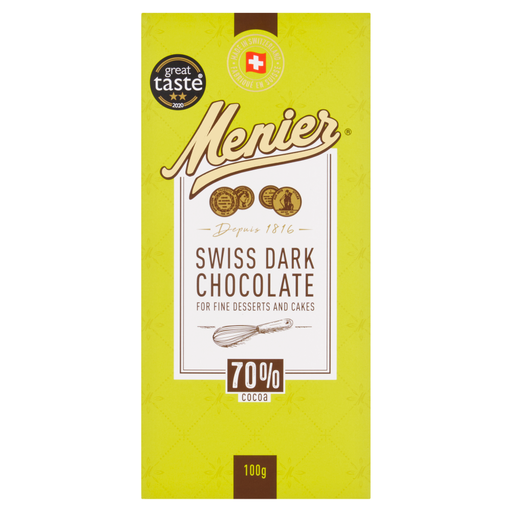 No image available
This 100 g, 70% cocoa cooking chocolate is listed for melting and baking rather than direct party handouts. It contains milk and may contain eggs, gluten and tree nuts; check the current pack when preparing food for guests with declared allergies.
 No image available
A ready-to-eat 90 g bar with 70% minimum cocoa content. The listing says it may contain almonds, hazelnuts, other nuts and milk; check the current pack before serving guests with declared allergies.
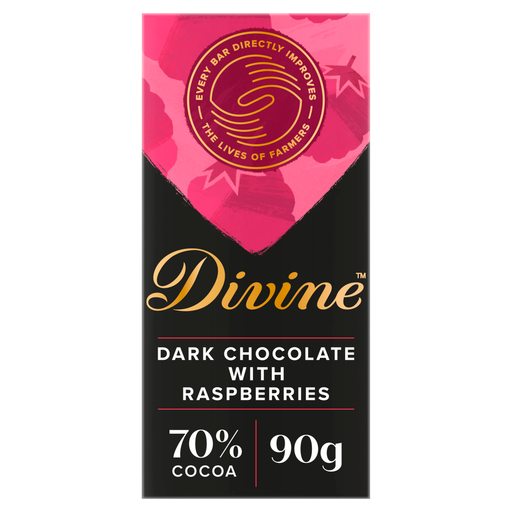 No image available
This ready-to-eat 90 g bar combines 70% minimum cocoa solids with raspberry pieces. Its listing gives conflicting vegan information and states that it contains milk; do not rely on the vegan-friendly wording for a dietary or allergy decision. It may also contain gluten and nuts, so check the current pack.
 No image available
A 100 g bar with 85% minimum cocoa solids to consider when guests already prefer a more intense dark-chocolate taste. The listing says it contains soya and may contain gluten, milk, nuts and peanuts; check the current pack before serving.
Not for every guest. Dark chocolate gives people who prefer a cocoa-led taste another option, while retaining white chocolate may suit those who prefer it. Check the group’s preferences before deciding on the mix.
No. Waitrose lists may-contain warnings for the Lindt Excellence 70% bar, and M&S identifies allergy exclusions for its referenced dark chocolates. Check the exact physical pack and ask guests about declared allergies before serving.
Check whether the food is being supplied under the school’s food arrangements before including chocolate. England’s school-food regulations define chocolate as confectionery, and the Department for Education’s school-food guidance applies to England; an ordinary private party is a different setting.
No general private-party serving ban follows from those rules. Department of Health and Social Care guidance describes restrictions on certain HFSS product promotions and placement by businesses operating in and selling to England. School-food requirements are a separate question.
Follow the storage instructions on the pack and keep it away from heat and direct sunlight. Retain the packaging when serving so guests can check its ingredients and allergy information.