Hosts setting out a help-yourself bowl
A bag of small pieces, such as Cadbury Dairy Milk Buttons or Galaxy Counters, lets guests take a few at a time. Check the pack’s portion and allergen information before putting it out.


For a casual afternoon tea break, choose a bite-size pouch if guests will help themselves, individually wrapped bars if you want to hand out one item each, or a sharing bar if a small group will break up one bar together. Compare the labelled portions with your group size, and check the exact pack’s ingredients and allergen statements before serving.
A bag of small pieces, such as Cadbury Dairy Milk Buttons or Galaxy Counters, lets guests take a few at a time. Check the pack’s portion and allergen information before putting it out.
Separate bars make distribution simpler than dividing an open pouch. Mars describes its Fun Size bars as individually wrapped; check the number of items in any multipack against your group size.
A breakable bar suits people sitting together who are happy to pass pieces around. KitKat describes its 99g Milk Chocolate Sharing Bar as a bar for sharing, rather than a bag of loose pieces.
Decide how the chocolate will be served, then check the labelled portions and the exact product’s dietary information.
| Priority | What to check | Your needs |
|---|---|---|
| Serving format | Choose between loose bite-size pieces, separate bars and a bar to break up. Check whether guests will serve themselves or receive an item each. | I’d put a pouch out for a casual help-yourself break, but choose separate bars if each guest needs an item to take away. |
| Portions | Read the stated number and weight of portions; pack weight alone does not tell you how many items you can hand out. Galaxy lists three 37.3g portions for its Counters pouch, while Twix lists eight 20g portions for its twin-finger 4-pack. | For a group, I’d count the portions on the particular pack and decide whether each person is having one labelled serving or a few pieces. |
| Ingredients and allergens | Read the exact pack’s ingredients and any ‘may contain’ statement, including when changing flavour or pack format. For example, Snickers lists peanuts as an ingredient; Galaxy Counters says it may contain barley and wheat. | If someone needs to avoid an ingredient, I need to check the chocolate I will actually serve rather than rely on the brand or its sharing label. |
Snickers lists peanuts as an ingredient, Twix lists wheat, milk and soya, and Galaxy Counters says it may contain barley and wheat. These differences matter when serving guests with dietary restrictions.
Read the ingredients and precautionary allergen statement on the exact pack before serving; do not substitute another flavour’s label.
A pouch of loose pieces, a bar to break up and a multipack of separate bars call for different ways of serving. A sharing label does not tell you how many individually wrapped items you will have.
Choose the serving format first, then compare the pack’s labelled portions or bar count with the number of guests.
Cadbury describes its Dairy Milk Buttons bag as vegetarian friendly, while KitKat says its standard KitKats are not gluten-free. Neither statement establishes the suitability of a different product.
Check any vegetarian, vegan, gluten-free or allergen information for the precise variant you intend to serve.
These manufacturer examples show the difference between pouches, sharing bars and multipacks; check the particular pack before serving.
Cadbury Dairy Milk Chocolate Buttons come in a 100g bag of small pieces.
Galaxy presents Minstrels and Counters as sharing-bag choices; its Counters pouch is 112g.
Mars Fun Size Bars offer individually wrapped items for handing out rather than loose pieces for a bowl.
The Snickers Peanut Multipack contains 12 bars of 34.5g for separate distribution.
The Twix Chocolate Twin Finger 4-pack contains four twin-finger bars and lists eight 20g portions.
KitKat offers a 99g Milk Chocolate Sharing Bar intended to be broken up and passed around.
These options include bite-size pouches for a help-yourself tea break and bar multipacks for handing out separate treats.
 No image available
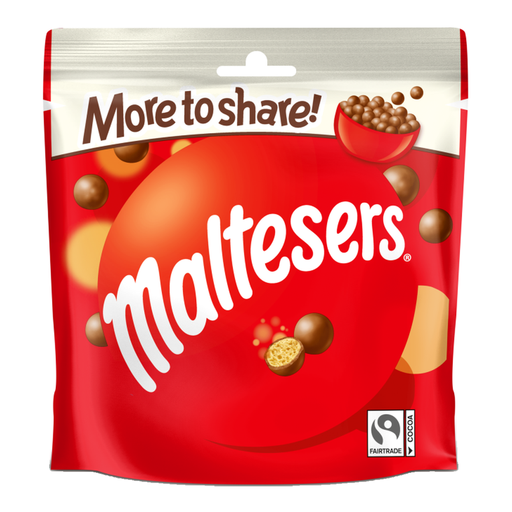
A pouch of small chocolate balls for guests helping themselves. The product information lists milk, soya and wheat; check the actual pack before serving anyone who needs to avoid these ingredients. Check its labelled portions if you need to plan servings.
 No image available
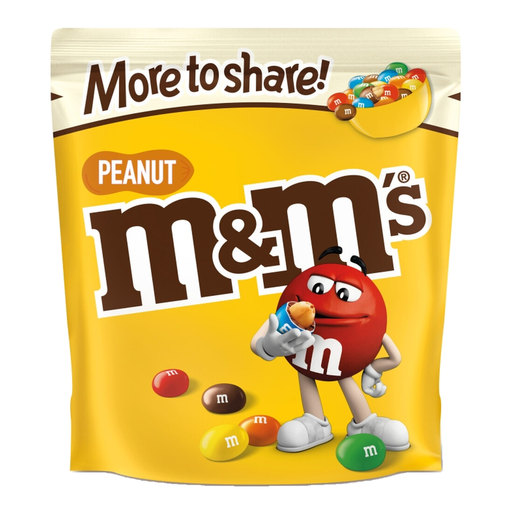
The 200g pouch is an option for a help-yourself table, not for guests who need to avoid peanuts. The product information also lists milk and soya. Check the pack’s portions when deciding how much to put out.
 No image available
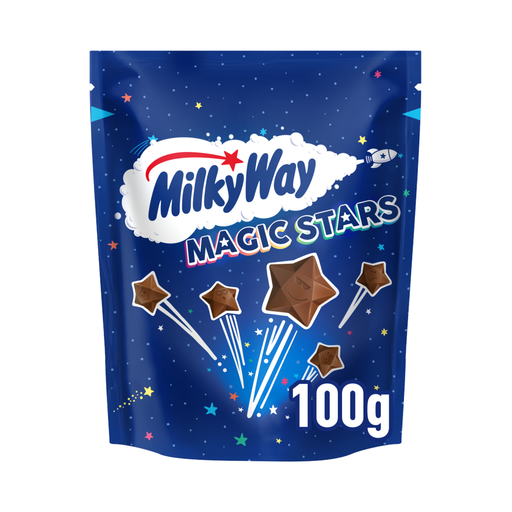
Bite-size pieces suit a casual help-yourself break. The product description lists milk and soya and says it may contain peanuts, almonds and hazelnuts; check the exact pack for guests with dietary restrictions.
 No image available
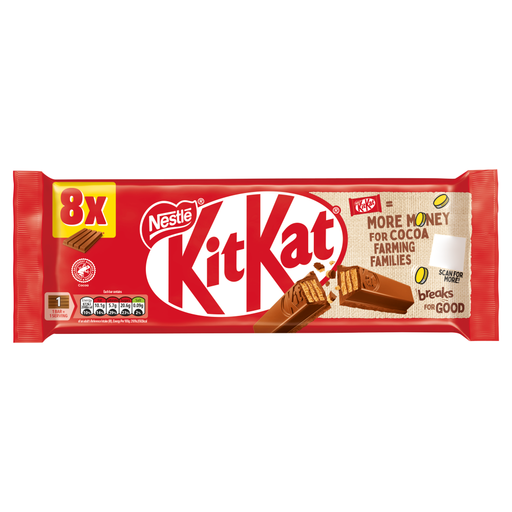
Eight four-finger bars suit a break where guests receive a separate bar rather than take loose pieces from a pouch. The product information lists wheat, milk and soya and says it may contain nuts; check the actual pack before serving.
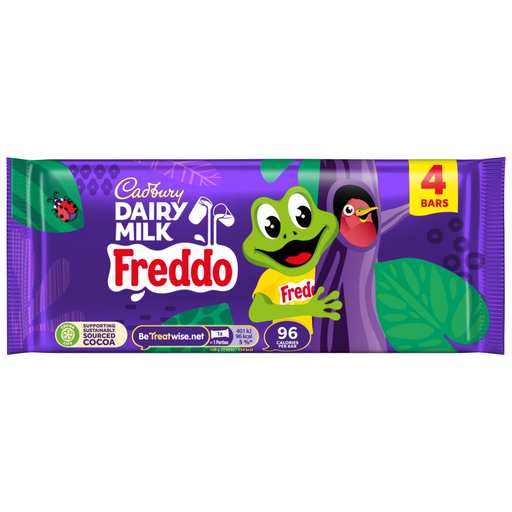 No image available
Four separate bars are an option when handing out one treat per guest; check whether four covers your group. The product information lists milk and possible nut traces, so read the actual pack before serving guests with dietary restrictions.
Choose a bite-size pouch if guests will help themselves, or separate bars if you plan to hand one item to each person. For a small group happy to break pieces together, a sharing bar is another format to consider.
Start with the pack’s labelled number and weight of portions, then decide how many portions you intend to serve per person. Galaxy lists three 37.3g portions for Counters, Mars lists 20 portions of 18g for Fun Size Bars, and Twix lists eight portions of 20g for its twin-finger 4-pack; those portion counts represent different amounts of chocolate.
Read the exact pack’s ingredients and precautionary allergen statement before serving. Snickers lists peanuts as an ingredient, Twix lists wheat, milk and soya, and Galaxy Counters says it may contain barley and wheat; a different product or variant needs its own check.
Do not assume they are: KitKat’s UK FAQ says its standard KitKats are not gluten-free. Check the precise sharing product’s label against the guest’s dietary requirements.