
24/7 全天候客户支持

免费退货

当日/次日达

品质保障

开启新人专享福利: 全场免邮 | 低至 2 折 | 免费试用 30 天 JoyPlus 会员
下载 Joybuy
Chocolate protein powder can be a convenient way to increase daily protein intake, but the label does not always tell the full story. A large tub, dessert-style branding or claims about “lean muscle” can distract from the details that affect value, dietary suitability and everyday use.
This guide from the Joybuy Product Recommendation Officer focuses on the practical checks UK shoppers should make before buying chocolate whey protein, diet whey protein or a vegan plant protein powder.
Chocolate sauce, breakfast cereal and dessert mixes may look suitable for fitness-focused meals, but their protein content can be modest. For example, the supplied Nutella Chocolate Sauce contains 6.3g of protein per 100g, while the listed Kellogg’s cereal contains 7.5g per 100g. These are ordinary food products, not direct substitutes for a protein supplement.
Always compare the protein per serving, not the flavour description or front-of-pack imagery.
A low-calorie shake may suit a calorie-controlled routine, but shoppers should also check carbohydrates, sugars, fat, sweeteners and serving size. A product offering 20g of protein in a 25g serving has a different nutritional profile from a 21g protein recovery formula served at 50g.
Also be cautious with weight-management language. Ingredients such as CLA, green tea extract or acetyl L-carnitine should not be treated as guaranteed fat-loss solutions. They are simply listed components, and the manufacturer’s instructions and warnings should be followed.
Whey protein isolate and milk protein products contain milk allergens. Plant-based products may contain soya, while some manufacturing facilities handle other allergens. “Vegetarian” and “vegan” are not interchangeable terms.
Read the full ingredients and allergen panel each time, particularly if you have a milk, soya or other food allergy or intolerance. Product formulations and packaging can change, so check the current label before consumption.
For a straightforward comparison, calculate:
Protein percentage = protein per serving ÷ serving size × 100
The Applied Nutrition ISO-XP chocolate products provide approximately 22.5g of protein in a 25g serving, while the Critical Plant Protein provides 24.6g in a 30g serving. Both figures are useful, but the serving sizes differ.
A high protein percentage can be helpful for macro-conscious shoppers who want less powder, but taste, texture and dietary requirements still matter.
No single formula is automatically suitable for every routine. A low-carb protein shake may suit someone tracking carbohydrates, whereas a recovery drink containing carbohydrate may be more appropriate after a long or demanding training session.
A 1.8kg protein powder tub may reduce how often you reorder, but only if you use it consistently and enjoy the flavour. Compare the number of servings rather than tub weight alone:
Keep powder sealed in a cool, dry place away from sunlight and humidity. A damp cupboard or poorly closed lid can affect texture and mixing quality. Use the best-before information on the packaging and do not exceed the stated daily serving instructions.
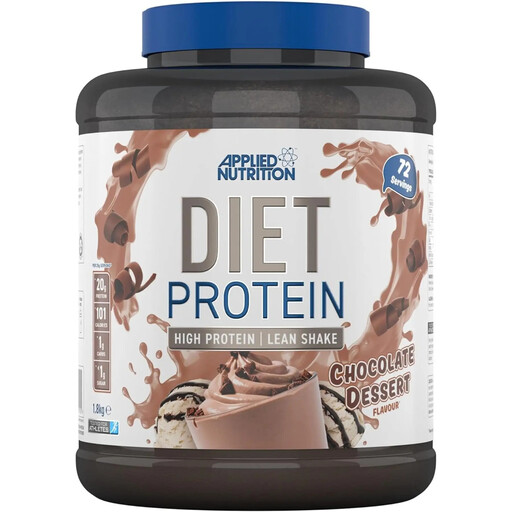
Why This Fits Their Persona: A practical large-format option for adults who want a daily shake with a chocolate dessert flavour and relatively low carbohydrate content.
The label states 20g protein, 101 calories and 0.9g sugar per 25g serving, making the nutritional trade-off easier to assess.
1.8kg format; mixes with 150–300ml of water; suitable for vegetarians. Contains milk.
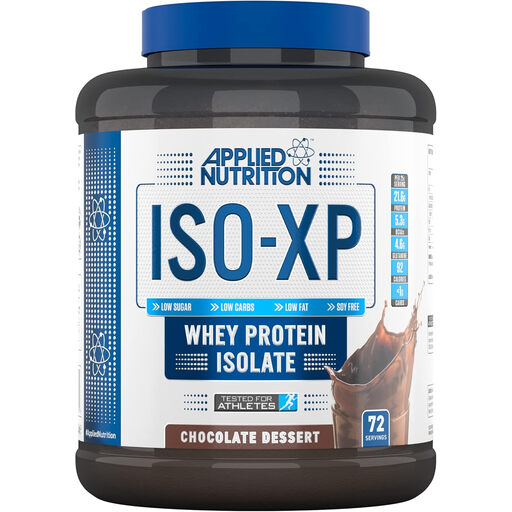
Why This Fits Their Persona: Suits shoppers prioritising a concentrated whey protein isolate with very low carbohydrate and fat values per serving.
Its nutrition panel clearly lists 22.5g protein, 0.1g carbohydrate and 0.4g fat per 25g serving.
Large 1.8kg pack; sunflower lecithin; suitable for vegetarians. Contains milk.
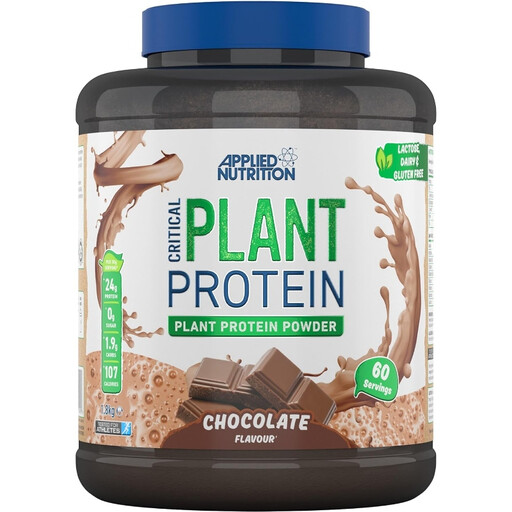
Why This Fits Their Persona: Designed for vegan and vegetarian shoppers seeking a chocolate-flavoured blend of soya, pea and brown rice proteins.
The ingredient list identifies three plant protein sources, rather than relying on a vague plant-based description.
24.6g protein per 30g serving; 0g listed sugar and salt; 1.8kg pack. Contains soya.
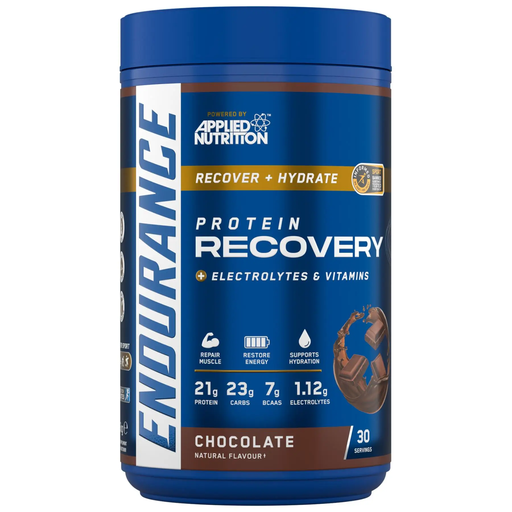
Why This Fits Their Persona: A vegan post-workout recovery protein option for active adults who want protein alongside carbohydrate and electrolyte content.
The 50g serving is clearly shown as containing 21g protein and 22.8g carbohydrate, so it is not mistaken for a low-carb shake.
Includes electrolytes, vitamins and minerals; labelled vegan and free from gluten, dairy and nuts. Contains soya.
We have compiled a complete, real-time list of products that fully satisfy these strict selection criteria and UK safety regulations.
Whey protein is derived from milk and may fit some vegetarian diets, but it is not vegan. Check the product’s allergen statement and ingredients. For vegan shoppers, a clearly labelled vegan plant protein powder, such as a soya, pea and brown rice blend, is more appropriate.
Most powders can be mixed with cold water or milk according to the label. Water generally keeps the drink lower in calories, while dairy or plant milk can change the flavour and texture. Begin with the recommended liquid volume and adjust gradually. Dessert products such as high-protein cookie dough may require only a small amount of water and should be prepared as directed.