Parents planning one at-home treat
A smaller bag of bites or a breakable bar gives you a format to compare for one occasion. Decide what to serve, and read the current pack before offering it to a child.


For a small at-home sharing occasion, compare a smaller bag of bites with a bar you can break into sections; a larger pouch or an assortment makes more sense when more people are sharing or want different chocolates. Decide how much to put out, and check the current pack’s ingredients, allergens and nutrition information before serving. Food supplied by a school is a separate question from a treat eaten at home.
A smaller bag of bites or a breakable bar gives you a format to compare for one occasion. Decide what to serve, and read the current pack before offering it to a child.
A larger pouch provides more chocolate to divide, while an assortment offers different pieces. Check the pack’s contents and allergens rather than assuming every piece in an assortment has the same ingredients.
Choose by the exact product and current packaging, not the brand alone. Ingredients and precautionary statements matter particularly when several kinds of chocolate are packed together.
Start with the number of people sharing and how the pack will be served. Then check the label for the intended recipients.
| Priority | What to check | Your needs |
|---|---|---|
| Pack format | Check the weight and whether the pack holds loose pieces, assorted miniatures, a breakable bar or separate bars. Cadbury lists Caramel Nibbles in a 100g bag; Tesco lists Galaxy Minstrels in a 217g bag and Cadbury Heroes in a 270g pouch; KitKat lists a 99g sharing bar. | For one occasion, I want to decide how much chocolate to put out. If more people are sharing, I may prefer a larger pouch or a mix of pieces. |
| Ingredients and allergens | Read the ingredients, highlighted allergens and any precautionary statement on the exact current pack. ASDA lists milk for Cadbury Caramel Nibbles; Tesco lists milk and soya for Galaxy Minstrels. | Someone sharing may need me to check a particular ingredient. I cannot make that decision from the brand name or the appearance of the pieces. |
| Nutrition basis | Check whether values are given per serving or per 100g, and note the serving size used. ASDA lists 119 kcal and 13g sugars per 24g serving of Cadbury Caramel Nibbles; Tesco lists five 43.4g portions for the 217g Galaxy Minstrels bag. | I want to know what the stated figures describe before deciding what amount to serve. A pack’s listed portion is not a child-specific recommendation. |
| Where it will be eaten | Distinguish an at-home purchase from food provided in a school setting. England’s Requirements for School Food Regulations 2014 define chocolate-containing products as confectionery; check the applicable school rules and policy for school-provided food. | A treat eaten at home after school is one decision. If food is being supplied by a school or club, I need to check the rules for that setting instead. |
A bigger pack makes more chocolate available when it is opened, even if only a few people are sharing.
Choose the format for the group and decide how much to put out at one time.
Products from the same brand can have different ingredients. An assortment also contains more than one kind of chocolate.
Read the current pack’s ingredients, allergens and any “may contain” statement before serving it to someone with an allergy or intolerance.
Nutrition figures describe the stated amount, which may differ between products; they do not set an individual child’s serving.
Check the grams behind the figures and decide what amount to serve separately.
England’s school-food framework addresses food supplied in the school setting and defines chocolate-containing products as confectionery. Buying something to eat at home after school is a different situation.
For food supplied by a school or after-school club, check its policy and the rules applicable where it operates.
These examples show formats to compare; a brand name alone does not identify a pack size or ingredient list.
Cadbury lists a 100g Dairy Milk Caramel Nibbles bag, while Tesco lists a 270g Heroes assortment.
Tesco lists Galaxy Minstrels as a 217g sharing bag.
KitKat lists a 99g Milk Chocolate Sharing Bar for those comparing a breakable bar with a pouch.
These names are worth checking if a particular chocolate is wanted, but the exact pack determines how it can be shared.
These options include chocolate sharing pouches in several sizes and an eight-bar multipack. The multipack serves a different sharing plan from opening one pouch of loose pieces.
 No image available
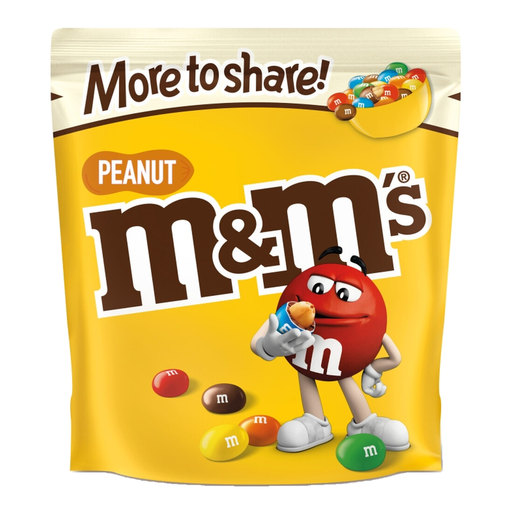
This 200g pouch is a format to consider when several people will share at home. Peanuts are named in the product; check the current pack’s full ingredient and allergen information before serving.
 No image available
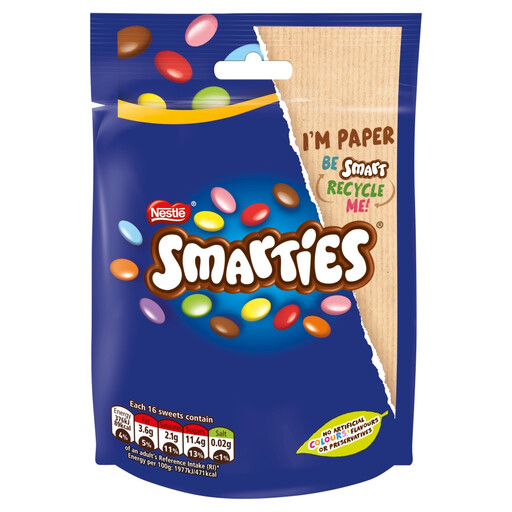
This 105g bag offers a smaller loose-piece format for sharing at home. Check the current ingredients and allergens; the product information warns of a choking hazard for children under four.
 No image available
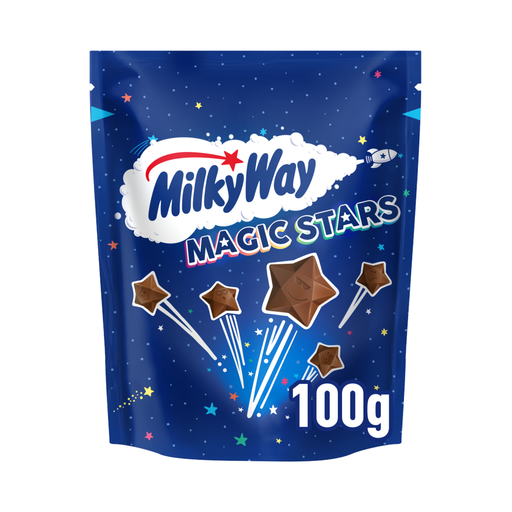
The 100g pouch offers bite-size pieces for an at-home sharing occasion. Decide what amount to serve and check the current pack’s ingredients, allergens and nutrition panel.
 No image available
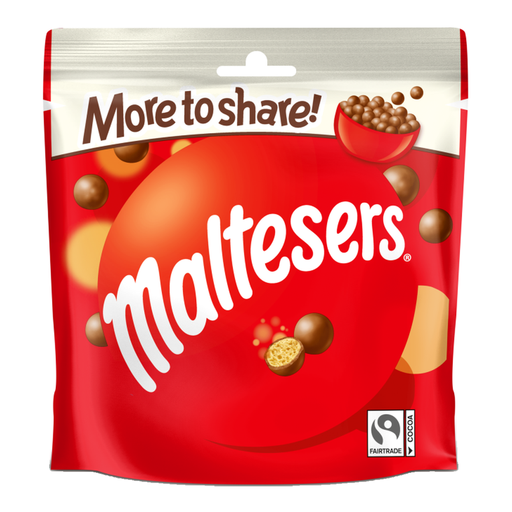
This 158g pouch contains chocolate balls for sharing as loose pieces. Check the current allergen label and decide how much to put out; the product information also warns of a possible choking hazard for very young children.
 No image available
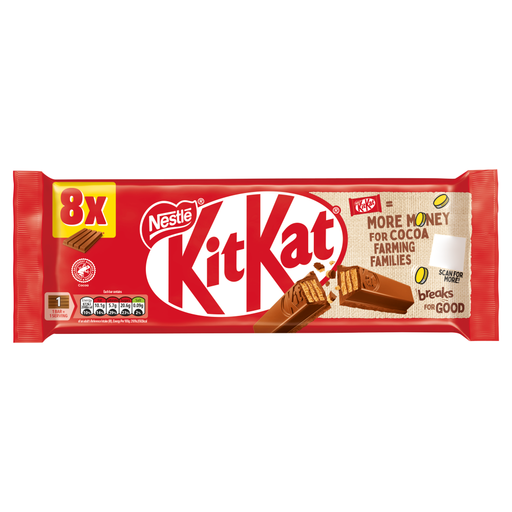
This 332g pack contains eight four-finger bars, rather than one pouch of loose pieces. Consider whether separate bars suit the number of people and occasions you have in mind, and check the current pack’s allergen information.
Do not treat an at-home purchase as guidance for food supplied by a school. England’s Requirements for School Food Regulations 2014 define chocolate-containing products as confectionery; check the applicable rules and the school or club’s policy before providing food in that setting.
Check the exact current pack’s ingredients, highlighted allergens and any “may contain” statement. The listed Cadbury Caramel Nibbles contain milk, while the listed Galaxy Minstrels contain milk and soya; those examples do not establish the ingredients of other products from either brand. The Food Standards Agency explains that precautionary allergen labelling communicates possible unintended allergen presence.
Use the current packaging for the final check before serving someone with an allergy or intolerance. An online listing can help identify products to consider, but the label on the pack being served identifies its ingredients and precautionary statements.
Start with how many people will share it and whether you intend to put out the contents at once. Then compare the pack weights and the way the chocolate is divided: loose bites, an assortment and a breakable bar call for different serving decisions.